Plant Overview
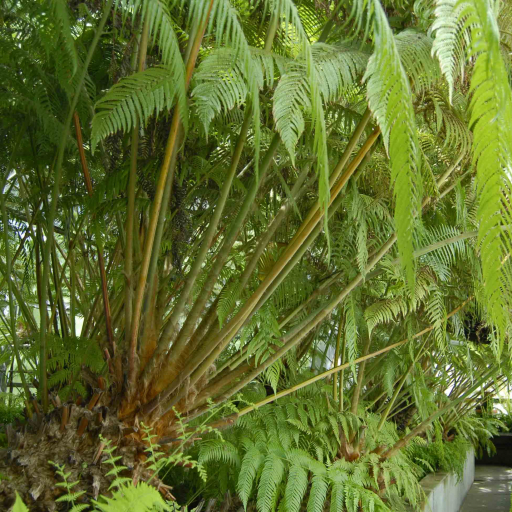
Known as the Mexican Tree Fern, this plant is the ultimate symbol of tropical elegance. Often called the "Mexican Blonde Tree Fern" because of its distinctive golden hairs, it was a prized centerpiece in Victorian-era conservatories. It transforms any space into a misty cloud forest, bringing a prehistoric, architectural vibe to shaded gardens and bright indoor spaces alike.
🔍 How to Identify
- 🌿 Lacy Fronds: The leaves are exceptionally delicate and light green, with a "see-through" airy quality that makes the plant look lighter than other bulky tree ferns.
- 🧶 Golden "Wool": The crown and leaf bases are covered in dense, soft, light-blonde or honey-colored fibers known as pulu.
- 🏰 Architectural Trunk: While very slow-growing, it eventually forms a thick, upright trunk that looks like a textured pillar made of soft, fibrous velvet.
🏡 In Your Garden
- ☁️ Humidity is Essential: Unlike some hardier ferns, the Mexican Tree Fern thrives in high humidity. It is a "cloud forest" native, meaning it struggles if the air becomes too dry or if it's placed near a drafty heater.
- 💧 Watering Nuance: It prefers consistently moist soil, but be careful not to pour water directly into the center of the crown where the new "fiddleheads" emerge. Trapped water in the crown can lead to rot if there isn't sufficient airflow.
- 🌱 Slow and Steady: Because it grows so slowly, it is often kept as a container plant for many years before it ever reaches a size that requires a permanent spot in the ground.
⚠️ Safety & Toxicity
- 🛡️ Non-Toxic: This plant is generally considered safe and non-toxic for cats, dogs, and humans.
- 🧤 Physical Irritant: While not poisonous, the fine golden hairs (pulu) on the trunk and stems can be an irritant. If you have sensitive skin, these fibers might cause a mild "itchy" sensation, similar to fiberglass, if handled excessively.
✨ Fun Fact
In the 1800s, the soft, silky fibers found on the trunk of the Cibotium were actually harvested and used as a surgical dressing to stop bleeding, and occasionally even as a luxury stuffing for pillows and mattresses!

Detailed Care Instructions
Cibotium Schiedei plant requires adequate watering to grow and thrive. It is recommended to water the plant deeply once or twice a week during the growing season. The amount of water required depends on the size of the plant and the size of the pot. Allow the soil to dry out slightly between watering, but not completely.
When watering, pour water slowly and evenly onto the soil around the plant until it starts to drain out of the bottom of the pot. Do not allow the plant to sit in standing water, as this can lead to root rot.
During the winter months, reduce watering frequency to once every two weeks or as needed. If the plant is kept in a humid environment, it may require less frequent watering than if it were kept in a drier environment.
It is important to keep an eye on the soil moisture level and adjust watering accordingly. Overwatering can lead to fungal diseases and other problems, while under-watering can cause the plant to wilt and die.
Cibotium Schiedei plants prefer well-draining soil with good moisture retention. It is recommended to use a mixture of perlite, peat moss, and organic compost to create a nutrient-rich soil. The soil should have a slightly acidic pH level between 6.0 and 6.5. It is important to avoid using heavy clay soils or soils that are too alkaline, as this can negatively affect the plant's growth. Additionally, adding a layer of mulch to the soil can help retain moisture and regulate the temperature around the plant.








