Plant Overview
Often called the Indian Bay Leaf or Tejpat, Cinnamomum tamala is the aromatic soul of Northern Indian and Nepalese cuisine. Hailing from the misty foothills of the Himalayas, this tree is a closer relative to true cinnamon than to the Mediterranean bay laurel. It is cherished not just for its culinary depth, but for its historical role as a luxury spice that once traveled the Silk Road to the perfume houses of ancient Rome.
🔍 How to Identify
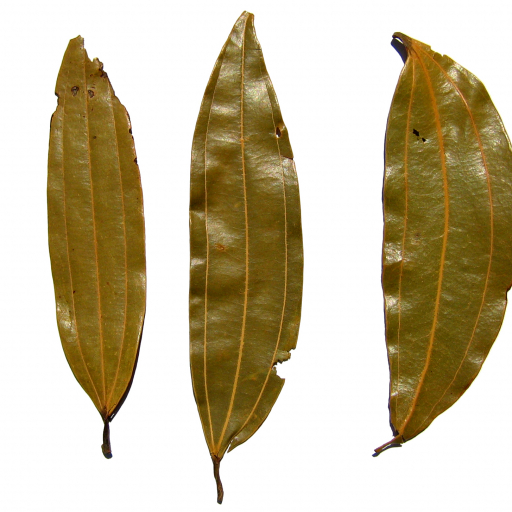
- 🌿 The Three-Vein Rule: Unlike other bay leaves, the Tejpat features three distinct longitudinal veins running from the base of the leaf all the way to the tip.
- 🍃 Leaf Texture: The leaves are long, pointed (lanceolate), and leathery. They emerge as a delicate, pale green or pinkish hue before maturing into a deep, glossy emerald.
- 👃 The Scent Test: When crushed, the leaf releases a complex bouquet that mimics a blend of cinnamon, cloves, and citrus, offering a much warmer profile than the savory European bay leaf.
🏡 In Your Garden
- ☀️ Dappled Sunlight: In its natural habitat, it grows under the canopy of larger trees. In a home garden, it prefers bright, indirect light or morning sun; harsh afternoon rays can scorch its tender new growth.
- ☁️ Humidity Lover: This plant thrives in "steamy" conditions. If you are growing it indoors or in a dry climate, it appreciates being grouped with other plants or placed near a humidifier to mimic the Himalayan mist.
- 🪴 Drainage is Key: While it loves moisture, it cannot stand "wet feet." Use a well-draining, slightly acidic potting mix to prevent root rot, which is the most common killer of container-grown cinnamon trees.
⚠️ Safety & Toxicity
- 🍽️ Culinary Status: Completely safe for human consumption as a seasoning. However, the leaves remain tough even after cooking and should be removed from dishes before serving to avoid a choking hazard.
- 🐾 Pet Safety: Like many aromatic plants rich in essential oils (such as eugenol), the leaves can cause mild digestive upset in cats and dogs if chewed in large quantities.
- 🧴 Oil Sensitivity: The concentrated essential oil extracted from the leaves is very potent and can cause skin irritation if applied undiluted.
✨ Fun Fact
In ancient Greek and Roman texts, this plant was referred to as Malabathrum. It was so highly prized that it was used to flavor wine and create "Foliatum," a legendary, ultra-expensive perfume worn by the Roman elite to signal their immense wealth.

Detailed Care Instructions
| Humidity | Normal |
| Lighting | Full Sun |
| Difficulty | Easy |
| Hibernation | Cold Period |
| Hardiness Zones | 9 - 11 |
To grow Cinnamomum Tamala plant, also known as Indian bay leaf or tej patta, you can follow these steps:
- Climate and soil: Cinnamomum Tamala prefers a warm and humid climate. It can be grown in USDA Hardiness Zones 9 to 11. The soil should be well-draining and rich in organic matter.
- Select a suitable location: Choose a spot that receives partial shade to full sun. The plant needs at least 4-6 hours of direct sunlight each day.
- Propagation: Cinnamomum Tamala can be propagated through seeds or cuttings. If using seeds, soak them in water overnight before planting. For cuttings, take a 6-8 inch long stem cutting from a mature plant.
- Planting: If sowing seeds, plant them 1/4 inch deep in a pot or directly in the ground. If using cuttings, remove lower leaves from the stem and plant it in well-drained soil, ensuring that at least one node is below the soil surface.
- Watering: Keep the soil consistently moist, but not waterlogged. Water the plant regularly during dry periods, especially during its establishment phase.
- Fertilization: Fertilize the plant with a balanced organic fertilizer during the growing season to promote healthy growth. Follow the product instructions for application rates.
- Pruning: Prune the plant regularly to maintain its shape and encourage bushier growth. This can also help in harvesting leaves.
- Harvesting: Cinnamomum Tamala leaves can be harvested after the plant reaches a mature stage, usually after 2-3 years. Harvest leaves individually or prune entire branches. Dry the harvested leaves in a shaded and well-ventilated area before storing.
Remember to research and follow any specific guidelines for your particular region to ensure optimal growth and care for Cinnamomum Tamala plant.

Place in a window with dappled sun or a spot in the middle of a room. Or directly in a window facing west or east.
To water this plant, it is important to first evaluate the soil moisture levels. This can be done by inserting a finger into the soil and checking for dryness. If the soil feels dry up to the first knuckle, then it is time to water the plant.
When watering, it is important to avoid overwatering as this can lead to root rot and other problems. One way to ensure proper watering is to allow the top layer of soil to dry out slightly between waterings.
Water should be applied slowly and evenly to prevent runoff. It is best to water early in the morning or late in the evening when the sun is not as strong, to avoid evaporation.
Additionally, it may be helpful to mulch around the base of the plant to help retain moisture in the soil. Regularly checking the plant for signs of stress or dehydration can also help prevent potential problems.
To fertilize the Cinnamomum Tamala plant, use a slow-release fertilizer with a balanced ratio of nitrogen, phosphorus, and potassium. Apply the fertilizer at the base of the plant during the growing season, avoiding contact with the leaves or stems. Water the plant thoroughly after fertilizing. Avoid over-fertilizing, as it can lead to leaf burn and other plant health issues.
The ideal soil for this plant should be well-draining and fertile. It should be slightly acidic to neutral, with a pH range of 5.5 to 7.0. This plant prefers soil that is rich in organic matter and nutrients, so adding compost or aged manure can be beneficial. The soil should be moist but not waterlogged, as this can lead to root rot. It is important to avoid using soil that is heavy in clay, as it can become compacted and hinder root growth. Instead, a sandy loam or loamy soil will provide the ideal growing conditions for this plant.
To propagate this particular plant, you will need to take a stem cutting from a mature plant. It is important to choose a healthy stem with no visible damage or diseases.
- Select a stem that is around 4-6 inches long and has a few leaf nodes.
- Cut the stem straight across with a clean, sharp pair of scissors or pruning shears.
- Remove the leaves from the bottom 2-3 nodes of the stem, leaving only a few leaves at the top.
- Dip the cut end of the stem into rooting hormone powder, which will help it develop roots.
- Plant the stem cutting in a container filled with a well-draining soil mix. The soil should be moist but not waterlogged.
- Cover the container with plastic wrap to create a humid environment that will help the cutting root.
- Place the container in a warm, bright spot but out of direct sunlight.
- Check the soil regularly and water as needed to keep the soil moist.
- After a few weeks, gently tug on the stem cutting to see if it has developed roots. If it resists, this means it has taken root and can be gradually acclimated to more light.
- Once the plant has established roots and started growing, it can be moved to its permanent pot or planted in the ground.








