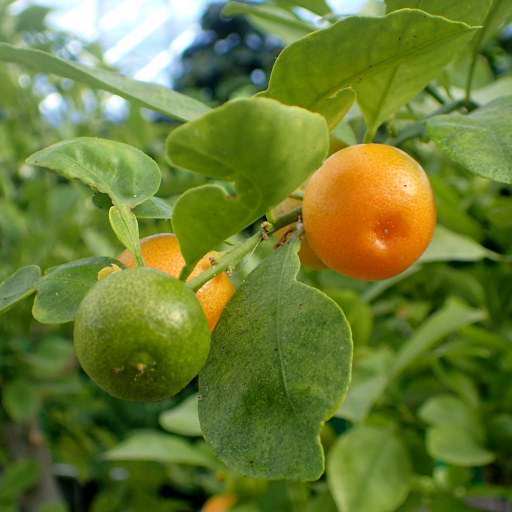
Plant Overview
Commonly known as the Calamondin or Calamansi, this miniature orange tree is the "star performer" of the indoor citrus world. Originating from Southeast Asia, it is a natural hybrid between a citrus species and a kumquat. It is beloved by hobbyists for its ability to produce incredibly fragrant flowers and tart, edible fruits year-round, even when kept as a small houseplant.
🔍 How to Identify
- 🍃 Glossy Foliage: Small, oval, deep-green leaves that stay vibrant all year. When crushed, the leaves emit a faint, pleasant citrus scent.
- 🌸 Star-Shaped Blooms: Delicate, waxy white flowers with prominent yellow stamens. They produce a heavy, sweet perfume that can fill an entire room.
- 🍊 Miniature Fruits: Round, thin-skinned fruits about one to two inches in diameter. They transition from a deep forest green to a bright, festive orange as they ripen.
🏡 In Your Garden
- 🪴 Container Champion: Unlike many of its citrus cousins, the Calamondin is perfectly suited for life in a pot. It has a manageable root system, making it the ideal "starter citrus" for balcony gardeners or those with limited space.
- ☀️ Light & Humidity: This plant is a sun-worshipper. While it can survive in partial shade, it needs at least 6-8 hours of direct light to produce fruit. Indoors, it appreciates being misted or placed near a humidifier to mimic its tropical origins.
- 💧 Watering Nuance: It is highly sensitive to "wet feet." To keep it happy, wait until the top inch of soil feels dry before watering. If the leaves begin to curl or drop, it is often a sign of overwatering rather than thirst.
⚠️ Safety & Toxicity
- 🐾 Pet Warning: Like most citrus plants, the essential oils (limonene) and psoralens found in the leaves, bark, and fruit peels are toxic to dogs, cats, and horses. Ingestion can cause digestive upset or skin irritation.
- 🍴 Human Edibility: The fruit is entirely safe and highly prized by humans! It is a staple in Philippine cuisine, used for juices, marinades, and dipping sauces. Be warned: the juice is very tart, while the thin skin is surprisingly sweet.
✨ Fun Fact
🦋 In the wild, the Calamondin is a favorite "nursery" for the Giant Swallowtail butterfly. Their caterpillars, which cleverly camouflage themselves to look exactly like bird droppings, love to munch on the leaves before transforming into massive black-and-yellow butterflies.

Detailed Care Instructions
| Humidity | Normal |
| Lighting | Full Sun |
| Difficulty | Medium |
| Hibernation | Cold Period |
| Hardiness Zones | 10 - 11 |
To grow Citrofortunella microcarpa plant, also known as calamondin or calamansi, you can follow these steps:
- Obtaining a plant: Purchase a calamondin plant or get seeds or cuttings from a reputable source. Make sure to choose a healthy plant or seeds.
- Preparing the soil: Use well-draining soil with organic matter such as compost or peat moss. Maintain a slightly acidic pH level (around 6.0-6.5).
- Planting: If you have seeds, sow them about half an inch deep in the soil. If using cuttings, dip them in rooting hormone and then plant them. Space the plants about 3-6 feet apart.
- Light and temperature: Calamondin plants require full sun exposure for at least six hours a day. Maintain a temperature range of 60-85°F (15-30°C). Protect the plant from frost in colder regions.
- Watering and humidity: Keep the soil consistently moist but not waterlogged. Water the plant when the top inch of soil is dry. Avoid letting the soil dry out completely. Increase humidity by misting the plant leaves or placing a tray of water nearby.
- Fertilizer: Feed the plant with a balanced fertilizer every two to three months during the growing season (spring and summer). Follow the instructions on the fertilizer package and avoid over-fertilizing.
- Pruning: Regularly prune the plant to maintain its shape and remove any dead or diseased branches. Pruning can be done throughout the year, but avoid heavy pruning during winter.
- Pests and diseases: Monitor the plant for common pests like aphids, scale insects, or mites. Treat any infestations promptly using organic pest control methods. Watch out for diseases such as root rot and citrus canker, and take appropriate preventive measures.
- Harvesting: The calamondin fruits are ready to harvest when they turn orange. Gently twist or cut the fruit from the stem. The plant may start fruiting within 1-2 years after planting.
Remember to provide adequate care, regular fertilization, and protection from pests and diseases to promote healthy growth and fruit production.

Place in a bright room that is sun drenched almost all day. Or directly in a south-facing window.

1) First, determine the plant's watering needs based on its variety and growth stage.
2) Use a watering can or hose with a gentle spray nozzle to water the plant thoroughly.
3) Ensure that the water reaches the roots of the plant and not just the surface soil.
4) Avoid over-watering, as this can lead to root rot and other diseases.
5) Allow the top layer of soil to dry out slightly before watering again.
6) Water less frequently in cooler months and more frequently in hotter months.
7) Monitor the plant's growth and adjust watering as needed to promote healthy growth and fruit production.
To fertilize this plant, start by selecting a balanced fertilizer with equal amounts of nitrogen, phosphorus, and potassium. Mix the fertilizer with water according to package instructions, and apply it to the soil around the base of the plant. It's important not to apply too much fertilizer, as it may damage the roots. To avoid this, fertilize the plant once a month during the growing season, and give it a break during the winter months. Keep the plant well-watered, but not waterlogged, and monitor for any signs of nutrient deficiency, such as yellowing leaves or stunted growth.
Citrofortunella Microcarpa plant requires well-drained and loose soil that is rich in nutrients. The soil pH should be slightly acidic to neutral, with a range of 5.5 to 7.5. The plant prefers a combination of sand, loam, and peat moss or organic matter in the soil to retain moisture. The soil should be moist, but not waterlogged, and should be allowed to dry out slightly between watering to avoid root rot. It is advisable to add slow-release fertilizers and compost to the soil to provide the plant with adequate nutrients for healthy growth. In general, a well-draining potting mix with high organic matter content, such as a mix of peat moss, sand, and perlite, is ideal for Citrofortunella Microcarpa plant.
To propagate this plant, you will need to gather stem cuttings from an established plant. Use clean, sharp scissors or pruning shears to take several 4-6 inch cuttings from healthy branches. Be sure to cut at an angle to increase surface area for rooting.
Remove the leaves from the bottom half of each cutting and dip the cut end into a rooting hormone powder. This will help stimulate root growth. Plant the cuttings in a well-draining potting mix, making sure to bury the cut end about 1 inch deep.
Keep the soil moist, but not waterlogged, and provide bright, indirect light. A humid environment is also beneficial for rooting. You can cover the cuttings with a plastic bag or a clear plastic dome to help retain moisture.
In about 4-6 weeks, the cuttings should start to develop roots and new growth. Once they have established roots, you can transplant them into larger pots or into the ground. Be sure to keep the soil moist and protect the new plants from direct sunlight until they are fully established.
Common pests of the calamondin include Scale insect, mealybugs, spider mites, aphids. Make a habit of checking your calamondin frequently for pests so that any infestations can be caught and managed early.








