Plant Overview
Often called the Seville Orange or Bitter Orange, this tree is the rugged, aromatic ancestor of many modern citrus varieties. While its fruit is too tart for a casual snack, its intense fragrance and oil-rich rind have made it a legend in the worlds of perfumery and gourmet preserves. From the sun-drenched streets of Spain to the tea rooms of England, this tree is the gold standard for authentic marmalade.
🔍 How to Identify
- 🍃 Winged Leaves: The glossy, deep green leaves feature a distinct "wing" on the petiole (the small stalk connecting the leaf to the branch), making them look like a leaf-on-top-of-a-leaf.
- 🌸 Waxy Blossoms: It produces clusters of highly fragrant, creamy-white flowers with five thick, waxy petals and prominent yellow stamens.
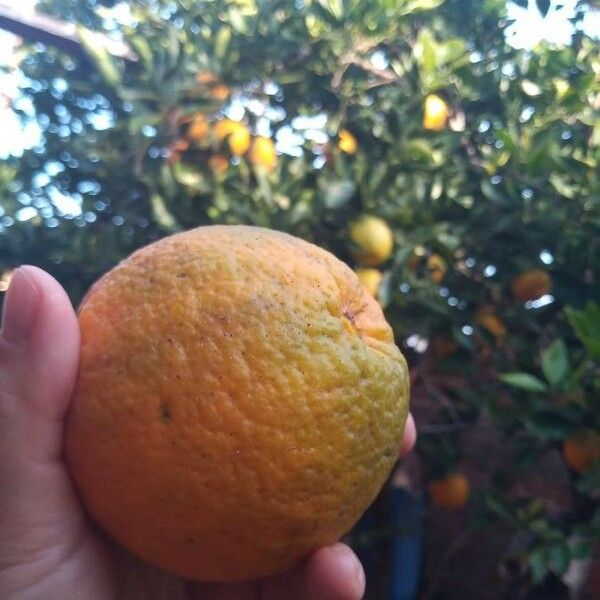
- 🍊 Textured Fruit: Unlike the smooth skin of a snacking orange, the fruit has a thick, bumpy, and pitted rind that feels heavy for its size.
🏡 In Your Garden
- 💪 The "Root" of the Matter: Because of its incredible resilience, this plant is often used as "rootstock." This means many of the sweet lemons or oranges in your garden are actually grafted onto a Bitter Orange base to keep them strong and disease-resistant.
- ☀️ Thirsty for Light: While it is more cold-hardy than sweet oranges, it still demands full sun and "dry feet." It hates sitting in stagnant water, so ensure your soil is loamy and fast-draining to prevent root rot.
⚠️ Safety & Toxicity
- 🐾 Pet Warning: Like most citrus, the leaves, fruit, and bark contain essential oils and psoralens that are toxic to dogs, cats, and horses. Ingestion can lead to vomiting or sensitivity to light.
- ☀️ Skin Sensitivity: Handling the rind or juice and then going into direct sunlight can cause "phytophotodermatitis"—a skin irritation or darkening where the oil reacted with UV rays.
✨ Fun Fact
The Bitter Orange is a triple-threat in the fragrance industry! It produces three distinct essential oils: Neroli (from the flowers), Petitgrain (from the leaves and twigs), and Bitter Orange Oil (pressed from the fruit rinds).

Detailed Care Instructions