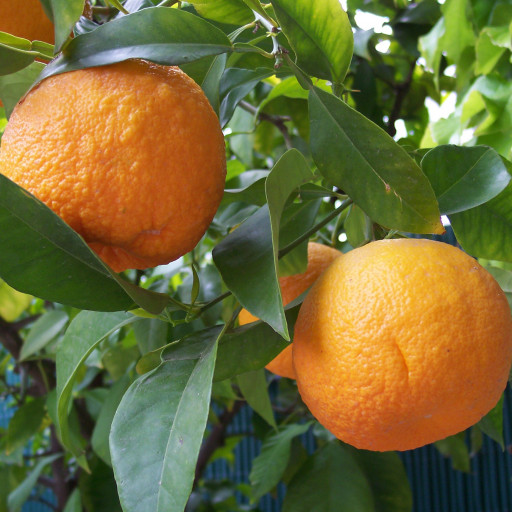
Plant Overview
Known as the Seville Orange or Sour Orange, Citrus × aurantium is the rugged, sophisticated ancestor of many citrus fruits we enjoy today. While its fruit is too tart to eat straight from the branch, this tree is the secret ingredient behind the world’s finest marmalades and high-end perfumes. It’s a hybrid between a pomelo and a mandarin, originally hailing from Southeast Asia but now iconic in Mediterranean landscapes.
🔍 How to Identify
- 🍃 The Leaves: Look for deep green, leathery leaves with a very distinct "winged" petiole—a small leaf-like growth on the stem just below the main leaf.
- 🌸 The Flowers: It produces incredibly fragrant, waxy white blossoms with five petals. These flowers are the source of the famous Neroli essential oil.
- 🍊 The Fruit: The oranges have a thick, bumpy, and dimpled skin that is often a deeper orange than sweet varieties. The inside is filled with bitter, acidic pulp and many seeds.
🏡 In Your Garden
- 🌳 The "Engine" Tree: Because it is incredibly hardy and resistant to many soil-borne diseases, this plant is frequently used as "rootstock." This means many of the sweet oranges or lemons you buy are actually grafted onto a Bitter Orange base.
- ☀️ Sun & Soil Nuance: While it loves the sun, it is surprisingly more cold-tolerant than its sweet cousins. It thrives in well-draining, slightly acidic soil but hates "wet feet"—ensure the pot or ground never stays soggy, or the roots may suffer.
⚠️ Safety & Toxicity
- 🐾 Pet Warning: Like most citrus, the essential oils (limonene) and psoralens found in the leaves, skin, and fruit are toxic to dogs, cats, and horses if ingested in large quantities, leading to digestive upset or photosensitivity.
- ⚔️ Hidden Thorns: Many varieties of Bitter Orange have long, sharp thorns hidden among the leaves. Wear thick gloves when pruning to avoid painful punctures.
- 🍋 Skin Sensitivity: The oils in the peel can cause "phytophotodermatitis" in humans—if you get the juice on your skin and go into the sun, it can cause a stinging, blister-like rash.
✨ Fun Fact
The Bitter Orange tree is a zero-waste wonder of the fragrance world! The leaves produce Petitgrain oil, the flowers produce Neroli oil, and the fruit peels produce Bigarade oil. All three are essential ingredients in the original "Eau de Cologne" created in the 18th century.

Detailed Care Instructions
| Color | Green Foliage With White/Yellow Blooms And Orange Fruits |
| Soil Ph | 5.0-6.0 |
| Humidity | Normal |
| Lighting | Full Sun |
| Toxicity | Toxic |
| Soil Type | Well-Drained, Sandy, Loamy |
| Bloom Time | Spring |
| Difficulty | Easy |
| Plant Type | Perennial |
| Mature Size | 10-30 Feet Tall |
| Native Area | Southeast Asia |
| Temperature | 21°C - 32°C |
| Sun Exposure | Full Sun |
| Hardiness Zones | 9-11 |
To grow Citrus × Aurantium, also known as bitter orange or Seville orange, you can follow these steps:
- Choose the right location: Bitter orange plants require full sunlight, so select a location that gets at least six hours of direct sunlight per day. Ensure the soil is well-draining and slightly acidic (pH between 6 and 7).
- Obtain healthy plants or seeds: Purchase a healthy Citrus × Aurantium plant from a nursery or obtain seeds from a reliable source.
- Plant the seeds or young plant: If using seeds, soak them in warm water overnight before planting. Then, plant them in a pot or directly in the ground, about 1 inch deep. If using a young plant, dig a hole that's as deep and wide as the root ball and place the plant in it.
- Watering: Keep the soil consistently moist but not overly saturated. Water the plant when the top inch of soil feels dry. Avoid waterlogging the roots, as it can cause root rot.
- Fertilization: Use a citrus-specific fertilizer to feed the plant. Follow the instructions on the fertilizer packaging for proper application and timing. Generally, fertilize in early spring, midsummer, and early fall.
- Pruning: Regularly prune your Citrus × Aurantium to maintain its shape, remove dead or damaged branches, and improve airflow. Pruning should be done in late winter or early spring before new growth starts.
- Protect from extreme temperatures: Bitter orange plants are sensitive to cold temperatures, especially in their younger stages. In regions with frost, consider growing them in pots that can be moved indoors during winter or provide frost protection for outdoor plants.
- Pest and disease control: Monitor the plant regularly for pests such as aphids, scale insects, or mealybugs. Use natural or chemical insecticides if necessary. Watch out for diseases like citrus canker or root rot and take appropriate measures to prevent or treat them.
- Harvesting: Depending on the variety, bitter oranges are typically harvested when fully ripe, usually from late autumn through winter. They can be used in cooking, making marmalade, or for their aromatic properties.
- Continued care: Bitter orange plants are evergreen, so they require year-round care. Provide consistent watering, fertilization, and pest control as needed for healthy growth.
Remember that growing citrus plants can be a long-term commitment, as they may take several years to bear fruit. However, with proper care and patience, you can enjoy the beauty and benefits of growing Citrus × Aurantium.
Citrus plant which belongs to the Rutaceae family and has small, white, fragrant flowers that produce a small, sour fruit that is often used in culinary dishes and beverages. As with most plants, the proper watering of citrus plants is crucial to their growth and health.
When watering citrus plants, it is important to consider their growing conditions. Citrus plants prefer well-drained soil, which means that they should not be watered too frequently. Overwatering can lead to root rot and other fungal diseases that can damage the plant.
To determine when to water your citrus plant, you should check the moisture level of the soil. Use your finger to feel the top inch of soil, and if it feels dry, it is time to water.
When watering, use a slow and steady stream of water that allows the soil to absorb the water without becoming saturated. Water until the soil is moist but not saturated. Avoid getting water on the leaves or flowers, as this can encourage fungal growth.
During the summer months, when temperatures are high, citrus plants may require more frequent watering. However, in the winter months, when temperatures are cooler, they may need less water. It is important to adjust your watering schedule based on the needs of your specific citrus plant.
Overall, the key to watering citrus plants is to provide consistent, well-timed watering that allows the soil to drain properly and the roots to absorb the necessary nutrients. With the proper care, your citrus plant will thrive and produce delicious fruit for years to come.
To fertilize this plant, apply a slow-release nitrogen-based fertilizer every three months during the growing season, starting in early spring and ending in late summer. Use a fertilizer specifically designed for citrus trees, as their nutrient requirements are different from other plants. Avoid applying fertilizer to the base of the tree, as it may damage the roots. Instead, spread the fertilizer evenly around the drip line of the tree, which is the area directly below the outermost branches. Water the tree after fertilizing to help the nutrients reach the roots.
For optimal growth of this plant, it is recommended to use a well-draining soil that is slightly acidic with a pH range of 6 to 7.5. The soil should also have a good balance of nutrients, particularly nitrogen, phosphorus, and potassium. A mixture of equal parts of sand, peat moss, and perlite can be used to create a well-draining soil for this plant. It is important to ensure that the soil is not too compacted, as Citrus × Aurantium roots need space to grow and expand. Additionally, it is important to water the plant regularly, ensuring that the soil remains moist but not waterlogged. Fertilizer can be added to the soil every two to three months, using a citrus-specific fertilizer that contains micronutrients such as iron, magnesium, and zinc.
Citrus × Aurantium is a plant that can be propagated through various methods, including seed propagation, cuttings, layering, and grafting. One way to propagate it is through stem cuttings.
First, it is important to select a healthy parent plant from which to take the cuttings. Using a sharp, clean pair of pruning shears, cut a stem from the parent plant that is about 4-6 inches long and has several healthy leaves.
Next, remove the lower leaves from the stem, leaving only a few leaves at the top. This will help reduce water loss and encourage root growth. It is also recommended to dip the cut end of the stem in a rooting hormone powder to promote root development.
Fill a pot with well-draining soil and make a hole in the center. Insert the cut end of the stem into the soil and gently firm the soil around it. Water the cutting thoroughly and cover it with a plastic bag or dome to create a humid environment.
Place the pot in a bright, warm location, but out of direct sunlight. It is important to keep the soil moist but not waterlogged. After a few weeks, the cutting should start to develop roots. Once the roots have formed, remove the plastic bag or dome and gradually expose the plant to more light.
Transplant the new plant into a larger pot once it has outgrown the original pot. With proper care and maintenance, the new plant should grow into a healthy and productive citrus plant.








