Plant Overview
Often called the Gympie Lime or Australian Round Lime, this rugged rainforest survivor is a prized member of the citrus family native to the coastal regions of Queensland. Unlike its smooth-skinned supermarket cousins, this native Australian gem carries a wild elegance and a punchy, acidic flavor that has made it a star in modern "bush food" cuisine. It is a slow-growing but incredibly rewarding plant for those looking to add a touch of the outback to their garden.
🔍 How to Identify
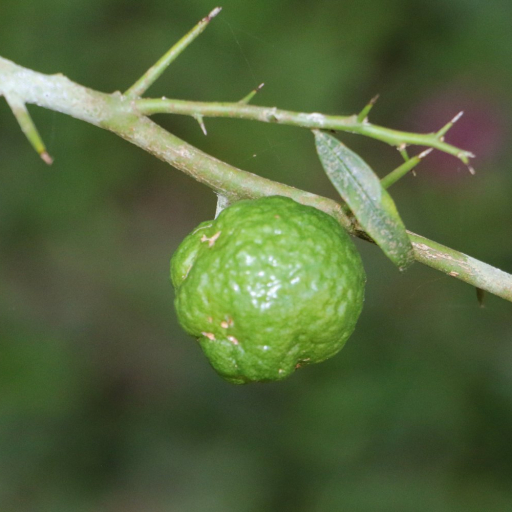
- 🟢 The Fruit: Unlike the elongated Finger Lime, this fruit is globose (round), usually 2–5cm in diameter. The skin is thick, bumpy, and dark green, slowly ripening to a pale yellow.
- 🍃 The Leaves: The foliage is small, stiff, and dark green with a distinct wedge (obovate) shape. When crushed, the leaves release a faint, pleasant citrus aroma.
- ⚔️ The Spines: One of its most identifying features is the presence of sharp, stiff thorns along the stems, which the plant uses for protection in the wild.
🏡 In Your Garden
- 🥣 Drainage is Key: Reflecting its rainforest origins, the Round Lime loves moisture but absolutely hates "wet feet." It requires well-draining, slightly acidic soil to thrive; if the roots sit in water, the plant may drop its leaves in protest.
- ☀️ Sun vs. Shade: While it can survive in the dappled light of a canopy, it produces the most fruit and maintains a bushier, more attractive shape when grown in full sun.
- ✂️ Pruning Habits: This plant can be a bit "leggy" and wild when young. Regular tip-pruning is recommended to encourage a dense, compact habit, making it an excellent choice for a thorny, "edible" security hedge.
⚠️ Safety & Toxicity
- ✅ Safe for Humans: The fruit is edible and highly prized for its zest and juice, though it is much more tart than a standard lime.
- 🌵 Physical Hazard: The primary safety concern is the thorns. They are quite sharp and can easily puncture skin. It is best planted away from narrow walkways or areas where children play.
- 🐾 Pet Note: Like most citrus trees, the leaves and peel contain essential oils (like limonene) and psoralens which can be toxic to dogs and cats if consumed in large quantities, potentially causing gastrointestinal upset.
✨ Fun Fact
The Australian Round Lime is considered one of the most "primitive" citrus species in the world. Because it evolved in isolation in Australia for millions of years, it possesses unique genetic traits that scientists are currently studying to help commercial citrus crops become more resistant to diseases like "Citrus Greening."

Detailed Care Instructions
To grow a Citrus australis plant, also known as the Australian finger lime, you can follow these steps:
- Select a suitable location: Choose a sunny spot in your garden or patio where the plant will receive at least 6-8 hours of direct sunlight daily. Citrus plants prefer warm and tropical climates.
- Soil preparation: Citrus plants prefer well-draining soil with a slightly acidic pH level (around 6-7). Amend the soil with organic matter, such as compost or aged manure, to improve drainage and nutrient content.
- Planting: Dig a hole that is slightly larger than the root ball of the plant. Gently remove the plant from its container and place it in the hole, ensuring that the top of the root ball remains level with the ground. Backfill the hole with soil, pressing it firmly to remove any air pockets.
- Watering: Water the plant thoroughly after planting to help settle the soil. Citrus plants require regular watering, especially during the hot and dry periods. Water deeply but infrequently, allowing the top few inches of soil to dry out between watering sessions.
- Fertilizing: Citrus plants benefit from regular fertilization to support healthy growth and fruit production. Use a balanced citrus fertilizer or a slow-release organic fertilizer specifically formulated for citrus plants. Follow the manufacturer's instructions on the packaging for application rates and timing.
- Pruning and training: Prune the plant carefully to shape it and remove any dead or damaged branches. Pruning encourages healthy growth and allows for better air circulation. Additionally, you can train the plant to develop a desired shape by selectively pruning and guiding its growth.
- Pest and disease control: Keep an eye out for common citrus pests such as aphids, scale insects, and citrus leaf miner. Monitor the plant regularly and take appropriate measures, such as applying organic insecticides or using biological pest control methods, to prevent or treat infestations.
- Harvesting: Australian finger limes typically start producing fruit after a few years of growth. Harvest the finger limes when they are fully mature and reach their desired size. They should be firm and full of juice. Cut the fruit off the tree using clean pruning shears or scissors.
Remember to research and consider the specific varieties and requirements of Citrus australis plants, as there may be slight variations in care and cultivation for different cultivars.
Citrus Australis is a type of plant that requires careful watering to ensure its proper growth and development. When it comes to watering this plant, special attention should be paid to the soil conditions and the amount of water required. Here are some tips on how to water Citrus Australis plant:
- Monitor soil moisture: It is important to keep an eye on the soil moisture level of Citrus Australis plant. The soil should be kept consistently moist but should not be waterlogged. Overwatering can lead to root rot, while underwatering can cause the leaves to wilt and dry out. Check the soil regularly, and water only when the top inch of soil feels dry to the touch.
- Watering frequency: The frequency of watering Citrus Australis plant depends on various factors such as the size of the pot, type of soil, humidity levels, and temperature. Typically, this plant requires more frequent watering during the summer months when the weather is hot and dry, and less frequently during the winter months when the weather is cold and humid.
- Watering techniques: When it comes to watering Citrus Australis plant, there are two primary methods. The first is the bottom watering method, which involves filling a saucer or tray with water and allowing the plant to absorb the water from the bottom up. The second is the top watering method, which involves pouring water directly onto the soil. Both methods work well, but it is important not to splash water onto the leaves as this can cause diseases and pests.
- Water quality: Citrus Australis plant is sensitive to the quality of water used for watering. It is recommended to use filtered water or rainwater to avoid any chlorine or fluoride content that may be present in tap water which can harm the plant.
By following these simple tips, you can ensure that your Citrus Australis plant receives the right amount of water and grows into a healthy, thriving plant.
For optimal growth and fruit production, fertilize annually in the early spring. Use a fertilizer with a balanced NPK ratio, such as 10-10-10 or 12-12-12. Apply fertilizer around the drip line of the plant, avoiding contact with the trunk or foliage. Water thoroughly after fertilizing to ensure proper absorption. Don't over-fertilize as this can lead to excessive growth and poor fruit quality. Always read and follow the instructions on the fertilizer label.
When selecting soil for a Citrus Australis plant, it is important to choose a well-draining soil that is rich in nutrients. You can either buy a pre-made potting mix specially formulated for citrus trees, or you can make your own mix by combining equal parts of peat moss or coco coir, perlite or vermiculite, and a high-quality organic compost. Avoid using soil that is heavy and clay-like, as it can retain too much water and suffocate the plant's roots. Opt for a soil that is slightly acidic, with a pH range between 6.0 and 7.0. The soil should also be free of any diseases or pests that can harm the plant. It is recommended to use a potting mix that is specifically formulated for container plants, as it will provide adequate drainage and aeration, which are crucial for healthy root growth.
Citrus Australis is a type of plant that can be easily propagated through vegetative methods. One way to do this is through stem cuttings. To start, select a healthy stem from the plant, ensuring that it has at least 6-8 inches of growth and several leaves. Using a sharp knife or pruning shears, cut the stem at a 45-degree angle just below a node.
Next, remove the leaves from the bottom two-thirds of the stem, leaving a couple of leaves at the top. Dip the cut end of the stem into rooting hormone powder, which will help stimulate root growth. Then, plant the stem into a pot filled with a well-draining potting soil mix.
Water the cutting thoroughly and cover it with a plastic bag or dome to create a humid environment. Place the pot in a bright, indirect light location and make sure to keep the soil moist but not waterlogged. After a few weeks, the cutting should start to show signs of new growth.
Once the new plant has grown several new leaves and looks strong and healthy, it can be transplanted into a larger pot or directly into the ground. With proper care, the new plant will continue to grow and eventually produce fruit.








