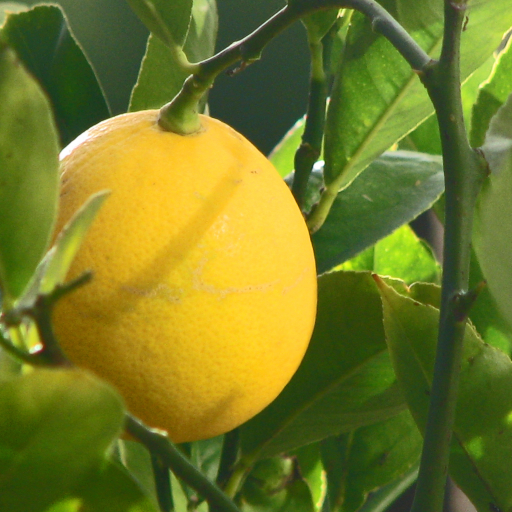
Plant Overview
The Meyer Lemon, often called the "Chef’s Lemon," is the darling of the culinary world for its sweet, floral zest and incredibly juicy pulp. Unlike the tart, thick-skinned lemons typically found in grocery stores, this hybrid between a lemon and a mandarin orange offers a much milder, honey-like acidity. Originally discovered growing as an ornamental plant in China by explorer Frank Meyer, it has since become the most popular citrus tree for home gardeners worldwide.
🔍 How to Identify
- 🍃 Foliage: The leaves are a deep, glossy green and elliptic in shape, appearing more lush and "waxy" than those of a standard Eureka lemon.
- 🌸 Fragrant Blooms: It produces clusters of small, snowy-white flowers that often feature a distinct purple tint at the base of the petals.
- 🍋 The Fruit: The lemons are rounder and smoother than traditional varieties, with a very thin, edible skin that shifts from bright yellow to a deep, "egg-yolk" orange when fully ripe.
🏡 In Your Garden
- ☀️ The Sun-Seeker: As a hybrid with mandarin DNA, it craves heat and light; it requires at least 6 to 8 hours of direct sun to produce its signature heavy harvests.
- 🪴 Container Champion: Because it has a naturally compact growth habit and a shallow root system, it is the gold standard for "indoor-outdoor" gardening in large pots.
- 💧 Drainage Nuance: It is highly sensitive to "wet feet." It thrives in slightly acidic, well-draining soil and prefers to be watered deeply only once the top two inches of soil have dried out.
⚠️ Safety & Toxicity
- 🐾 Pet Warning: While the fruit juice is generally safe, the peel, leaves, and stems contain essential oils (like limonene) and psoralens that are toxic to dogs, cats, and horses.
- 🤢 Symptoms: Ingestion of the foliage can lead to digestive upset, vomiting, or even photosensitivity (skin irritation in sunlight) in sensitive pets.
✨ Fun Fact
In the mid-20th century, the Meyer Lemon almost went extinct in North America! Most of the original trees were found to be asymptomatic carriers of the "Citrus Tristeza" virus, which could kill other citrus crops. A virus-free version was eventually bred, which is why almost every tree sold today is labeled as the "Improved Meyer Lemon."

Detailed Care Instructions
| Humidity | Normal |
| Lighting | Full Sun |
| Difficulty | Easy |
| Hibernation | Cold Period |
| Temperature | 18°C - 35°C |
| Hardiness Zones | 8 - 11 |
Here are some steps to help you grow a Citrus Meyeri plant:
- Choose a suitable location: Meyer lemon trees require at least six hours of direct sunlight per day. Select a spot in your garden or on your patio that receives ample sunlight and protection from frost or cold drafts.
- Get the right pot or container: If you plan to grow the Citrus Meyeri plant in a pot, ensure it has drainage holes to prevent waterlogging. Select a pot that is at least 12-18 inches in diameter, with good quality potting soil.
- Soil preparation and planting: Prepare the soil with a mix of compost, peat moss, and perlite to ensure good drainage. When planting, dig a hole slightly larger than the root ball, and place the plant in the hole, ensuring that it is planted at the same depth it was in the nursery container.
- Watering: Citrus Meyeri plants prefer moist but not waterlogged soil. Water the plant thoroughly after planting, and keep the soil consistently moist but not saturated. Watering needs may vary depending on the weather, so check the soil moisture level regularly.
- Fertilization: Feed the Citrus Meyeri plant with a balanced citrus fertilizer or organic citrus-specific fertilizer, following the instructions on the packaging. Apply fertilizer every 4-6 weeks during the growing season, typically from spring to early fall.
- Pruning: Prune the plant regularly to maintain its shape and remove any dead or damaged branches. Pruning can also help improve air circulation and encourage new growth.
- Pests and diseases: Keep an eye out for common citrus pests, such as aphids, scale insects, or mealybugs. Use organic pest control solutions or insecticidal soap if necessary. Also, be aware of common citrus diseases like citrus canker or citrus greening and take appropriate measures to prevent or treat them.
- Cold protection: If you live in a region with cold winters, ensure your Citrus Meyeri plant is protected from frost. Move potted plants indoors or cover them with frost blankets during freezing temperatures.
- Harvesting: Your Citrus Meyeri plant will produce fruit in about 1-2 years. Harvest the lemons when they are fully yellow, as they will not ripen further after being picked.
Remember to keep an eye on your plant, provide it with appropriate care, and enjoy the beauty and delicious fruits of your Citrus Meyeri plant.

Place in a bright room that is sun drenched almost all day. Or directly in a south-facing window.

Citrus Meyer plant belongs to the citrus family. It requires frequent watering, especially during the warmer months. The soil should be moist, but not too wet or waterlogged, as this can lead to root rot. It's important to ensure the water can properly drain away from the roots. Using a well-drained potting mix can help prevent this issue. During the cooler months, the plant requires less water, and the soil should be allowed to dry out slightly before watering. Avoid letting the soil completely dry out, as this can cause damage to the plant. It's also important to avoid getting water on the leaves or fruit, as this can increase the risk of disease. Watering in the morning or early afternoon can help prevent this issue.
For your plant's fertilizing needs:
- Use a balanced, water-soluble fertilizer formulated for citrus plants.
- Apply the fertilizer once a month during the growing season, typically spring through summer.
- Mix the fertilizer according to the package instructions and apply to the soil around the base of the tree.
- Water the plant thoroughly after fertilizing to ensure the nutrients are absorbed properly.
- Avoid over-fertilizing, as this can harm the plant. Follow package instructions and adjust as needed based on the plant's response.
Citrus Meyeri is a type of plant that belongs to the citrus family. When it comes to the soil, this plant prefers well-draining soil, which means that the soil should not hold moisture or water for too long. The soil should be rich in nutrients and have a pH level between 6.0 and 7.5.
To create the ideal soil for Citrus Meyeri, you can combine equal parts of sand, perlite, and peat moss. This mix will provide good drainage, aeration, and moisture retention. You can also add some organic matter such as compost or well-rotted manure to provide the necessary nutrients for the plant.
It is important to note that Citrus Meyeri is sensitive to soil acidity, so avoid using soil mixes that are too acidic. Additionally, this plant should be planted in a pot that has good drainage holes to prevent waterlogging. When watering, water the plant thoroughly and allow the soil to dry out slightly before watering again.
Overall, the ideal soil for Citrus Meyeri should provide good drainage, be rich in nutrients, and have a slightly acidic pH level.
To propagate this plant, select a healthy and mature stem that has at least three nodes. Cut the stem at a 45-degree angle just below the lowest node. Remove all leaves except for the top two sets of leaves. Dip the cut end of the stem in rooting hormone powder to encourage root growth.
Prepare a pot with well-draining soil and make a hole in the center. Insert the stem into the soil, making sure that the two sets of leaves are above the soil line. Water the soil thoroughly and cover the pot with a plastic bag to create a humid environment.
Place the pot in a bright location but away from direct sunlight. The cutting should develop roots in 4-6 weeks. Check for root growth by gently tugging the stem. If you feel resistance, roots have formed.
Once roots have developed, remove the plastic bag and water the plant regularly. You can transplant the new plant into its permanent location when it has grown to a suitable size.
Common pests of the chinese dwarf lemon include Scale insect, mealybugs, spider mites, aphids. Make a habit of checking your chinese dwarf lemon frequently for pests so that any infestations can be caught and managed early.








