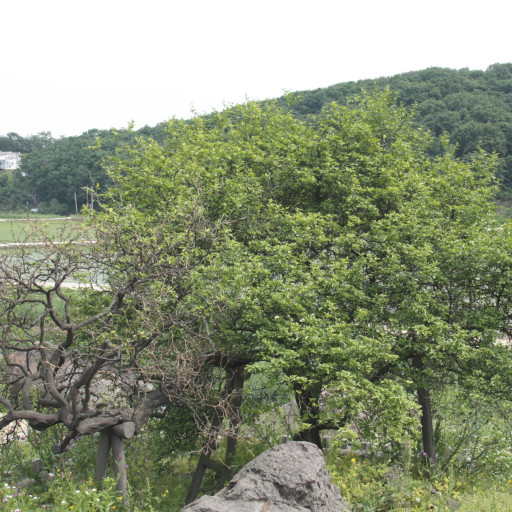
Plant Overview
Known as the "Hardy Orange" or "Dragon Lime," Citrus trifoliata is the rugged, winter-defying cousin of your favorite breakfast fruit. While most citrus trees crave the tropics, this deciduous rebel can survive bone-chilling temperatures well below zero, losing its leaves but keeping its fierce, green-thorned architecture. In East Asia, it has been used for centuries as both a medicinal plant and a formidable natural barrier.
🔍 How to Identify
- 🍃 The Leaf Trick: Unlike standard citrus trees, its leaves are "trifoliate," meaning they are divided into three distinct leaflets. They turn a lovely butter-yellow in the autumn before falling.
- ⚔️ Defensive Thorns: The stems are armed with massive, stiff, green thorns that can reach up to two inches long. These thorns remain green even in winter, giving the bare tree a striking, emerald skeleton.
- 🍋 Fuzzy Fruit: It produces small, golf-ball-sized oranges that are covered in a fine downy fuzz, resembling a cross between a lime and a tiny peach.
🏡 In Your Garden
- ❄️ The Cold Warrior: This is the go-to plant for gardeners in northern climates who want a citrus aesthetic. It can withstand temperatures as low as -10°F (-23°C), making it the only "orange" tree that can handle a heavy snow cover.
- 🛡️ Living Barbed Wire: Because of its dense growth and intimidating thorns, it is frequently planted as a "security hedge." It is virtually impenetrable to intruders, deer, and even stray dogs.
- 🪴 Low Maintenance: Once established, it is incredibly drought-tolerant and pest-resistant. It prefers slightly acidic soil and needs very little pruning—unless you are trying to keep it from taking over a walkway!
⚠️ Safety & Toxicity
- 🔴 Physical Hazard: The thorns are the primary danger. They are needle-sharp and can easily puncture skin, leather gloves, or even bicycle tires. Always plant it away from play areas or narrow paths.
- 👅 Edibility Note: While the fruit is not toxic, it is "palate-defying." It is intensely bitter, sour, and packed with seeds. It is best used for making zesty marmalades or as a dried spice rather than eaten fresh.
- 🐾 Pet Safety: The plant itself is generally non-toxic to pets, but the thorns pose a serious risk of eye or paw injuries if a curious dog tries to run through the hedge.
✨ Fun Fact
Most of the sweet oranges and lemons you buy at the grocery store were actually grown on Citrus trifoliata roots! It is the world’s most popular "rootstock" because its hardy root system protects more delicate, delicious citrus varieties from soil diseases and freezing soil temperatures.

Detailed Care Instructions
| Color | Green Foliage With White Blooms And Orange Fruits |
| Soil Ph | 5.6-7.5 |
| Humidity | High |
| Lighting | Full Sun |
| Toxicity | Toxic |
| Soil Type | Well-Drained, Sandy, Loamy |
| Bloom Time | Spring |
| Difficulty | Hard |
| Plant Type | Perennial |
| Hibernation | Cold Period |
| Mature Size | 8-20 Feet Tall |
| Native Area | Asia |
| Temperature | 18°C - 20°C |
| Sun Exposure | Full Sun |
| Hardiness Zones | 5-9 |
To grow a Citrus trifoliata plant, also known as the trifoliate orange, or hardy orange, you can follow these steps:
- Choose a suitable location: Citrus trifoliata plants thrive in full sun, so find a spot in your garden that receives at least 6-8 hours of direct sunlight per day. Ensure the soil is well-draining to prevent waterlogging.
- Prepare the soil: Amend the soil with organic matter such as compost or well-rotted manure to enrich it and increase its fertility. Citrus trifoliata plants prefer slightly acidic soil with a pH range of 6.0-7.0.
- Planting method: Decide whether you want to grow your Citrus trifoliata plant from seeds, cuttings, or nursery-bought seedlings. Each method requires different steps:
- Seeds: Soak the seeds in water for 24 hours before planting. Plant the seeds in seedling trays or small pots filled with a well-draining potting mix. Cover the seeds lightly with soil and keep them moist. Germination may take several weeks to months.
- Cuttings: Take 4-6 inch (10-15 cm) long cuttings from healthy, disease-free branches. Remove any lower leaves, leaving a few at the top. Dip the cut end in a rooting hormone powder to stimulate root growth. Plant the cuttings in a pot filled with a well-draining potting mix and keep them in a warm, humid environment until roots develop.
- Nursery-bought seedlings: Dig a hole twice as wide and deep as the nursery container. Gently remove the plant from the container, being careful not to damage the roots. Place the plant in the hole, ensuring it is at the same depth as it was in the container. Backfill the hole with soil, firming it gently around the plant.
- Watering: Keep the soil consistently moist but not waterlogged, especially during the plant's early stages of growth. Water deeply, allowing the water to penetrate until the root zone. Reduce watering during winter or cooler months.
- Fertilization: Feed the Citrus trifoliata plant with a balanced citrus fertilizer or a slow-release fertilizer designed for fruit trees in early spring and again in late summer or early fall. Follow the instructions on the fertilizer package for proper application rates.
- Pruning and training: Prune the plant to maintain its desired shape and promote airflow. Remove any dead, damaged, or diseased branches as soon as you notice them. Pruning can be done in early spring before new growth starts.
- Protection from frost: Citrus trifoliata plants are hardy but can suffer from frost damage in colder climates. Mulch around the base of the plant to insulate the roots and protect them from freezing temperatures. Consider covering the plant with a frost cloth or temporarily moving it indoors during extreme cold spells.
- Pest and disease control: Keep an eye out for common citrus pests such as aphids, scale insects, and whiteflies. Use organic pest control methods or insecticidal soaps to control infestations. Monitor the plant for signs of diseases such as citrus canker or root rot and take appropriate action if necessary.
By following these steps, you can successfully grow a Citrus trifoliata plant and enjoy its unique foliage and small, edible fruits.

Place in a bright room that is sun drenched almost all day. Or directly in a south-facing window.

To water this plant, you should first ensure that the soil is dry before applying water. This can be checked by inserting a finger into the soil, at a depth of about two inches, to feel for moisture. If the soil feels dry, you can proceed to water the plant.
Watering should be done slowly and evenly to ensure that the water penetrates deep into the soil. It is important to avoid overwatering the plant, as this can lead to root rot and other problems. You should also avoid watering the leaves and branches of the plant, as this can lead to fungal growth.
In general, this plant should be watered once a week during the growing season, and less frequently during the dormant season. The amount of water required will vary depending on the size of the plant, the temperature, and the humidity level. It is important to monitor the plant regularly and adjust watering as needed to ensure it stays healthy and hydrated.
To fertilize this plant, use a balanced fertilizer with a 2:1:1 ratio of nitrogen, phosphorus, and potassium. Apply the fertilizer at a rate of 1 pound per inch of trunk diameter, spread evenly over the soil surface. Do not apply fertilizer too close to the trunk or leaves. Apply the fertilizer in early spring before new growth appears, and again in late summer after fruiting is complete. Water the plant deeply after fertilizing to ensure the nutrients reach the roots.
The ideal soil for the plant in question should be well-draining, fertile, and slightly acidic with a pH range of 5.5-6.5. The soil should be rich in organic matter, high in nitrogen, and have good water-holding capacity. It should be loose and not compacted, allowing for good aeration and root growth. The plant prefers a sandy loam soil, but it can also grow in clay soils if they are well-drained. It's important to avoid soils that are too alkaline or too salty, as they can cause nutrient deficiencies and damage to the plant.
To propagate this plant, you will need to take stem cuttings from a mature plant during the spring or summer months. The cuttings should be about 6-8 inches long and have several leaves attached. Make sure to use a sharp, clean pair of scissors or pruning shears to make a clean cut. Remove the bottommost leaves from the stem cutting, leaving only a few at the top.
Next, dip the cut end of the stem into a rooting hormone powder to promote root growth. Insert the stem cutting into a small pot filled with moist potting soil. Make sure to push the cutting in deep enough so that it stands upright.
Water the cutting thoroughly and place the pot in a warm, bright location with indirect sunlight. Keep the soil consistently moist, but not soggy. Make sure to avoid placing the cutting in direct sunlight or it may dry out or wilt.
After several weeks, check for root growth by gently tugging on the stem cutting. If there is resistance, it means that roots have formed and the cutting can be transferred to a larger pot with well-draining soil. Keep the plant in a warm and bright location and continue to water it regularly.
It may take several months for the plant to become established and start developing new growth. Once it has reached a mature size, it can be transplanted outdoors into a sunny location with well-draining soil.
Common pests of the hardy orange include Scale insect, mealybugs, spider mites, aphids. Make a habit of checking your hardy orange frequently for pests so that any infestations can be caught and managed early.








