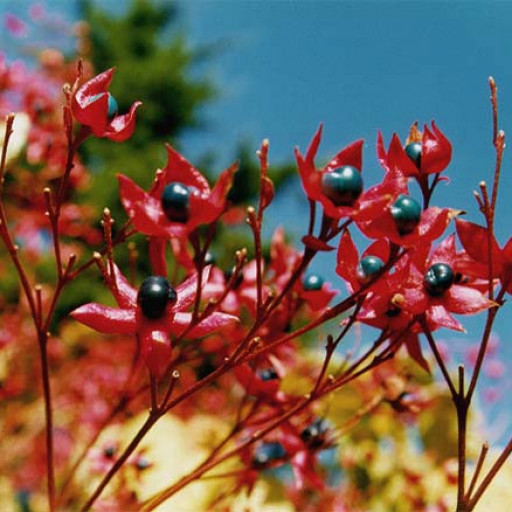
Plant Overview
The Clerodendrum genus, famously known as the Glorybower, is a diverse family of tropical beauties that range from delicate climbing vines to robust, fragrant shrubs. Whether it is the "Bleeding Heart Vine" with its dramatic white-and-red contrast or the "Cashmere Bouquet" with its rose-like clusters, these plants are beloved for their theatrical blooms. In many cultures, they are considered symbols of luck and "chance," bringing a sense of exotic mystery to any garden or sunroom.
🔍 How to Identify
- 🌿 The Foliage: Leaves are typically large, opposite, and heart-shaped or ovate. Many species have a slightly fuzzy texture and deep, prominent veining that gives them a lush, quilted look.
- 🌸 The "Two-Part" Bloom: Most species feature a unique flower structure where a bell-shaped outer "calyx" (often white or pale) surrounds a brightly colored inner "corolla" (red, purple, or pink).
- 🦋 The Stamens: Look for incredibly long, wispy stamens that arch far out from the center of the flower, resembling the delicate antennae of a butterfly.
🏡 In Your Garden
- 💧 Humidity over Wet Feet: While they love a tropical atmosphere, Clerodendrum can be prone to root rot. They prefer "high humidity/moderate water"—think of a misty rainforest rather than a swampy bog.
- ✂️ Vigorous Growth: These plants are famous for their "suckering" habit—they like to send up new shoots from the roots. In a garden bed, they can become pleasantly invasive, so many hobbyists prefer keeping them in large pots to control their spread.
- ☀️ Light Sensitivity: They are the "Goldilocks" of light; too much direct afternoon sun can scorch the soft leaves, but too little light will prevent them from producing their signature spectacular flower clusters.
⚠️ Safety & Toxicity
- 🐾 Status: Generally considered non-toxic to humans, but use caution with curious pets.
- 🤢 Details: While not classified as deadly, ingesting large amounts of the leaves can cause mild digestive upset (nausea or vomiting) in cats and dogs. Some species also have a strong, slightly unpleasant scent when the leaves are crushed, which acts as a natural deterrent.
✨ Fun Fact
The name Clerodendrum is derived from the Greek words kleros (fate) and dendron (tree). This refers to the contradictory medicinal reports in ancient times—depending on the species and the dose, the plant was said to either save you or seal your fate!

Detailed Care Instructions
Here are some tips on how to grow a Clerodendrum plant successfully:
- Location: Choose a location that receives bright, indirect sunlight. Clerodendrum plants prefer partial shade, especially during the afternoon hours when the sun is most intense.
- Soil: Use well-draining soil with a slightly acidic to neutral pH level (pH 6.0-7.0). Adding organic matter or compost to the soil can improve its drainage and fertility.
- Watering: Water regularly to keep the soil evenly moist, but avoid overwatering as it can lead to root rot. Check the moisture levels by inserting your finger into the soil about an inch deep. If it feels dry, it's time to water. Reduce watering during the winter months when the plant tends to enter a dormant phase.
- Fertilizer: Feed your Clerodendrum plant with a balanced, water-soluble fertilizer every two to three weeks during the growing season (spring and summer). Follow the instructions on the packaging for the correct dosage.
- Pruning: Regular pruning is beneficial to keep the plant in shape and encourage new growth. Prune any dead or damaged branches to maintain plant health. Pinch back the tips of the stems to encourage bushier growth.
- Propagation: Clerodendrum plants can be propagated from stem cuttings. Take 4-6 inch long cuttings from the tips of healthy stems, remove the lower leaves, and place them in a well-draining potting mix. Keep the soil consistently moist, and the cuttings should root within a few weeks.
- Temperature and humidity: Clerodendrum plants prefer warm temperatures between 60-80°F (15-27°C). They appreciate moderate to high humidity levels. Misting the leaves or placing the plant on a tray filled with water and pebbles can help increase humidity.
- Pests and diseases: Watch out for common pests like aphids, spider mites, and mealybugs. Regularly inspect your plant and treat any infestations promptly with organic or chemical insecticides. Avoid overwatering to prevent root rot.
By following these guidelines, you can successfully grow your Clerodendrum plant and enjoy its beautiful blooms and foliage.

Place in a bright room that is sun drenched almost all day. Or directly in a south-facing window.

To water this plant, ensure that you are using clean water that is not too cold or too hot. The frequency and amount of water will depend on the size of the plant, the pot it is planted in, and the environmental conditions. Avoid letting the soil become too dry or too soggy, as both can harm the plant's root system. A good rule of thumb is to water the plant when the top inch of soil feels dry to the touch. Water the plant slowly and deeply, making sure that the water reaches the roots. You may also want to consider using a drainage tray to collect excess water and prevent waterlogging.
To fertilize your plant, choose a balanced liquid plant food with equal amounts of nitrogen, phosphorus, and potassium. Dilute the fertilizer according to the package instructions and apply it every two weeks during the growing season. Avoid fertilizing during the winter months when the plant is dormant. Use caution not to over-fertilize, as this can cause burn or damage to the plant's roots.
Clerodendrum plants require well-draining soil with good moisture retention capacity. It is best to use a loamy soil that contains organic matter such as compost or peat moss. The pH level of the soil should be slightly acidic to neutral between 6.0 to 7.0. The soil should be rich in essential nutrients such as nitrogen, phosphorus, and potassium. It is recommended to fertilize the plant regularly during the growing season with a balanced liquid fertilizer. Avoid using heavy clay soils or sandy soils that do not retain moisture well. These soils can cause the plant's root system to dry out or become waterlogged, which can lead to poor growth and possibly death of the plant.
To propagate this plant, take a stem cutting of about 6-8 inches long from a healthy and mature plant. Remove any leaves or flowers from the bottom third of the stem. Dip the cut end in rooting hormone powder and plant it in moist, well-draining soil. Cover the container with a plastic bag or bottle to create a humid environment and place it in a warm, bright spot with indirect sunlight. Water the cutting regularly and mist the leaves to keep them hydrated. After a few weeks, check for roots by gently tugging on the stem. Once roots have formed, transplant the cutting into a larger container or into your garden.







