Plant Overview
🌿 The Fragrant Soul of the Cloud Forest
Hailing from the misty highlands of Central America, Clethra costaricensis—often called the Costa Rican Pepperbush—is a lush, evergreen treasure. In its native cloud forests, it stands as a resilient bridge between the earth and the canopy, perfuming the humid air with a scent often compared to sweet honey or orange blossoms. Unlike its deciduous cousins in the north, this species keeps its deep green luster all year round.
🔍 How to Identify
- 🌸 The Blooms: It produces long, elegant spikes (racemes) of tiny, bell-shaped white flowers. These clusters often droop slightly under their own weight and release an intense, sweet fragrance that can fill an entire patio.
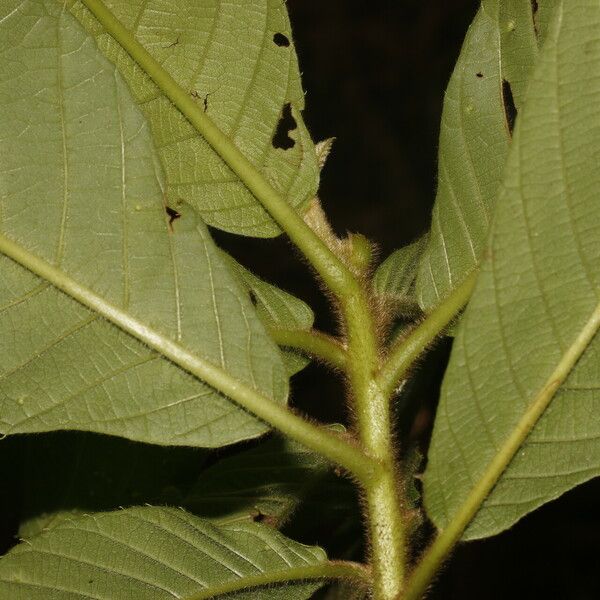
- 🍃 The Foliage: The leaves are thick, leathery, and elliptical with finely "toothed" or serrated edges. If you flip a leaf over, you’ll often find a soft, rusty-colored fuzz (pubescence) along the veins.
- Branching The Growth Habit: It typically grows as a large shrub or a small, multi-stemmed tree. The bark is smooth and reddish-brown when young, becoming more textured and gray as the plant matures.
🏡 In Your Garden
- ☁️ Atmospheric Needs: Because this is a "cloud forest" native, it craves high humidity and consistent moisture. It’s a perfect choice for a "rain garden" or a damp, shaded corner where other plants might suffer from wet feet.
- 🍯 Pollinator Magnet: While humans love the scent, the local wildlife loves the nectar. It is a primary food source for native bees, butterflies, and even hummingbirds, making it a "must-have" for biodiversity-focused gardeners.
- 🍂 Acidic Soul: This plant is an "acid-lover." It thrives in soil that is rich in organic matter (like leaf mold) and has a low pH. If your soil is too alkaline, the leaves may turn yellow, signaling it's struggling to eat.
⚠️ Safety & Toxicity
- ✅ Status: Generally considered non-toxic.
- 🐾 Details: There are no records of Clethra costaricensis being poisonous to cats, dogs, or horses. However, because it contains saponins (natural soap-like compounds) in its tissues, ingesting large amounts might cause mild stomach upset in curious pets. It is best enjoyed as a sensory experience for the nose and eyes!
✨ Fun Fact
The genus name Clethra comes from the Ancient Greek word for "Alder," because the leaves of these plants look remarkably similar to the Alder tree, even though they aren't closely related. In Costa Rica, this plant is a vital part of the ecosystem, helping to stabilize soil on steep, misty volcanic slopes.

Detailed Care Instructions








