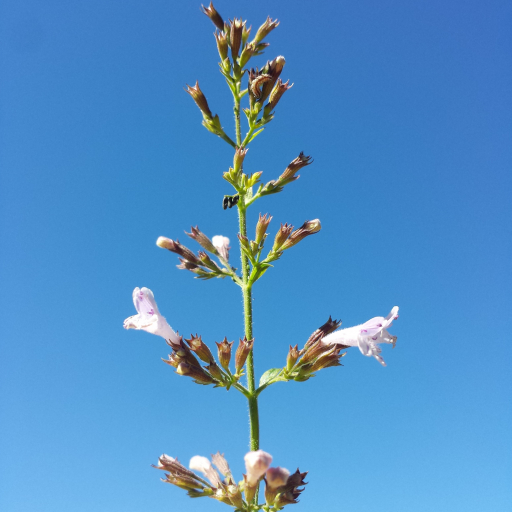
Plant Overview
Often called Wood Calamint, this aromatic perennial is a hidden gem of the woodland edge and dry meadows. It carries a refreshing scent that sits somewhere between spearmint and savory oregano, making it a sensory delight for anyone brushing past it. Historically, it was a staple in monastery gardens, valued both for its fragrance and its ability to draw in beneficial pollinators.
🔍 How to Identify
- 🍃 The Foliage: The leaves are broadly ovate with shallowly toothed edges. They feel slightly fuzzy to the touch due to tiny hairs that help protect the plant from drying out.
- 🌸 The Flowers: Look for delicate, two-lipped flowers in shades of lilac or pale purple. They feature tiny darker spots on the lower lip, acting as "landing lights" for visiting bees.
- 📏 The Stem: True to the mint family (Lamiaceae), the stems are distinctly square-shaped and grow in upright, bushy clumps that reach about 1 to 2 feet in height.
🏡 In Your Garden
- 🏔️ The "Lime" Lover: Unlike many garden plants that prefer acidic soil, Wood Calamint is a "calcicole." It thrives in alkaline, chalky, or limestone-heavy soils where other plants might struggle.
- ☀️ Drought Resilience: Once its root system is established, it is remarkably drought-tolerant. It prefers "lean" soil—if the ground is too rich or over-fertilized, the plant may become floppy and lose its compact, tidy shape.
⚠️ Safety & Toxicity
- ✅ Safe Status: Clinopodium menthifolium is generally considered non-toxic to humans and has a long history of traditional use in herbal teas and infusions.
- 🐾 Pets & Kids: While not known to be poisonous, the concentrated essential oils in the leaves can cause mild stomach upset in curious cats or dogs if consumed in large quantities. Always supervise pets around aromatic herbs.
✨ Fun Fact
The genus name Clinopodium comes from the Greek words klino (bed) and podion (little foot). This is a poetic reference to the flower's unique shape, which ancient botanists thought resembled the ornate feet of a miniature bedstead!

Detailed Care Instructions
To grow Clinopodium Menthifolium, also known as Calamint, follow these steps:
- Obtain seeds or plant starts: You can purchase seeds or plant starts from a local nursery or garden center. Alternatively, you can gather seeds from an existing plant, if available.
- Select a suitable location: Calamint prefers a sunny spot with well-draining soil. Ensure the location receives at least 6-8 hours of sunlight per day.
- Prepare the soil: If the soil in your chosen location is heavy or compacted, amend it by adding organic matter such as compost or well-rotted manure. This will improve the soil structure and drainage.
- Planting seeds or starts: If using seeds, sow them directly into the prepared soil, covering them with a thin layer of soil. If using plant starts, dig a hole slightly larger than the root ball and place the plant in the hole.
- Watering: After planting, water the soil thoroughly to ensure the moisture reaches the root zone. Calamint requires regular watering to establish itself, especially during dry periods.
- Mulching: Apply a layer of organic mulch around the plants to help retain moisture, suppress weeds, and regulate soil temperature. Leave a small gap around the stems to prevent rotting.
- Fertilization: Calamint generally doesn't require heavy fertilization. However, you can apply a balanced fertilizer, such as a 10-10-10 formula, once or twice during the growing season to encourage healthy growth.
- Pruning: Calamint benefits from regular pruning to maintain a compact shape and promote bushier growth. After flowering, trim back any leggy or overgrown stems to keep the plant tidy.
- Pests and diseases: Calamint is generally resistant to pests and diseases. However, keep an eye out for common garden pests like aphids or spider mites. Use organic pest control methods if needed.
- Harvesting: You can start harvesting the leaves of the Calamint plant when it reaches a good size. Use scissors or garden shears to cut the stems just above a leaf node. The leaves can be used fresh or dried for culinary or medicinal purposes.
Remember to provide regular care and maintenance to your Calamint plant to ensure healthy growth and maximize its productivity.

Place in a bright room that is sun drenched almost all day. Or directly in a south-facing window.

To water this plant, it is important to first check the soil moisture level before adding water. This can be done by sticking a finger into the soil about an inch deep to feel for moisture. If the soil feels dry, it is time to water. It is best to water at the base of the plant rather than on the foliage to avoid causing any damage. Use a watering can or hose on a low setting and pour water slowly and evenly around the base of the plant until the soil is moist but not saturated. It is important not to overwater as this can lead to root rot and other issues. Watering should be done consistently, but it is important to allow the soil to dry out slightly between watering to prevent waterlogging.
To fertilize this plant, it is recommended to use a balanced fertilizer with equal parts nitrogen, phosphorus, and potassium. Apply the fertilizer every 4-6 weeks during the growing season, which is typically from spring to early fall. Be careful not to over-fertilize as this can lead to nutrient burn and damage to the plant. Water the plant thoroughly after applying fertilizer to ensure the nutrients are absorbed properly.
Clinopodium Menthifolium is a plant that prefers well-draining soil and requires good aeration. The soil should not be too heavy and should have a good blend of organic matter that can help to retain moisture in the roots. A mixture of peat moss, perlite, and coarse sand is recommended for growing this plant. The soil pH should be around 6.5 to 7.5. It is also important to keep the soil moist at all times, but not waterlogged. Overwatering can lead to root rot and other fungal diseases. In addition, regular fertilization with a balanced fertilizer can help to promote healthy growth and flowering.
To propagate this plant, you will need to take a stem cutting from a healthy plant. Choose a stem that is at least 4 inches long and has several leaves. Cut the stem at an angle, just below a node where the leaves attach to the stem. Remove the leaves from the bottom half of the stem, leaving only a few at the top.
Dip the cut end of the stem into rooting hormone powder and tap off any excess. Insert the stem into a pot filled with a well-draining soil mixture, leaving the top few leaves above the soil surface. Water the plant well and place it in a bright, but indirect light.
Keep the soil moist but not overly wet, and mist the plant with water daily to increase humidity around the cutting. In about 4-6 weeks, you should start to see roots forming at the base of the stem. Once the roots are established, you can transplant the new plant into its own pot or into the garden.








