Plant Overview
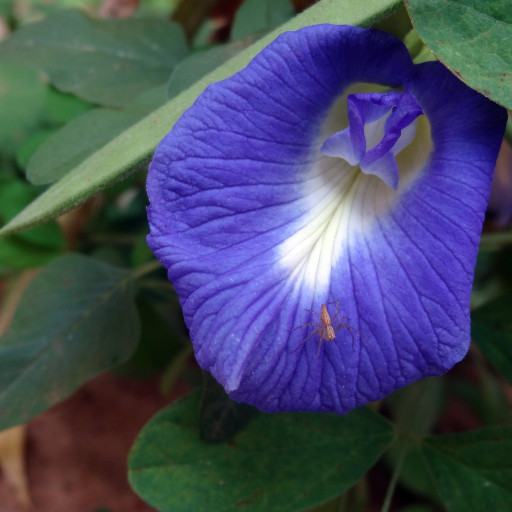
Often called the Butterfly Pea or Asian Pigeonwings, this enchanting tropical vine is famous for producing flowers in a shade of cobalt blue so vivid it looks painted. Native to equatorial Asia, it has been used for centuries as a natural food dye and a centerpiece in traditional medicine. Whether climbing up a garden trellis or being brewed into a "magical" color-changing tea, it is a favorite for those who love a touch of drama in their greenery.
🔍 How to Identify
- 🦋 The Bloom: Look for unique, funnel-shaped flowers that resemble a butterfly’s wings. They are usually a deep, electric blue with a bright white or yellow "throat" at the center.
- 🌿 Leaf Structure: The plant features delicate, pinnate leaves consisting of 5 to 7 small, oval-shaped leaflets that grow along a thin, wiry stem.
- 🧗 Growth Habit: This is a vigorous perennial climber. It uses its slender stems to twine around nearby supports, quickly covering fences or railings in a lush green carpet.
🏡 In Your Garden
- 🌱 Soil Health: As a member of the legume family, the Butterfly Pea is a "nitrogen fixer." It actually improves the soil it grows in by pulling nitrogen from the air and storing it in its roots, making it a great companion for hungrier plants.
- ☀️ Sun & Support: This vine is a sun-worshiper. Because it originates in the tropics, it needs plenty of heat to flower. Ensure you provide a sturdy trellis early on; because it grows so fast, it can become a tangled mess if left to crawl on the ground.
- ✂️ Pruning Nuance: To keep it from looking "leggy," pinch back the growing tips. This encourages the plant to branch out, resulting in a bushier vine with more frequent flowering sites.
⚠️ Safety & Toxicity
- ✅ General Safety: The flowers are widely considered safe and are commonly used in culinary dishes and drinks.
- 🚫 Seed Caution: While the flowers are edible, the mature seeds and roots should not be consumed in large quantities. They contain compounds that can act as a strong laxative or cause nausea if ingested by curious pets or small children.
✨ Fun Fact
The Butterfly Pea is the secret ingredient in "Magic Tea." The blue pigment in the flowers (anthocyanin) is highly sensitive to pH levels. If you squeeze a slice of lemon into a cup of blue Butterfly Pea tea, the liquid will instantly transform from deep blue to a vibrant, royal purple!

Detailed Care Instructions
| Lighting | Full Sun |
| Hardiness Zones | Min 9B |
To grow Clitoria ternatea, also known as butterfly pea, you can follow these steps:
- Choose the right location: Butterfly pea plants thrive in full sun to partial shade. Make sure the chosen spot receives at least 6 hours of direct sunlight every day.
- Prepare the soil: The soil should be well-draining and fertile. Add compost or aged manure to improve the soil's fertility and drainage capabilities. The pH level should be slightly acidic to neutral (pH 6-7).
- Germination: You can start the seeds indoors or sow them directly in the garden. If starting indoors, plant the seeds in pots or seed trays filled with seed-starting mix. Plant them about 1/4 inch deep and keep the soil moist. The seeds typically germinate within 7-14 days.
- Transplanting: Once the seedlings have grown a few inches tall and the threat of frost has passed, you can transplant them into the garden. Space the plants about 12-18 inches apart to allow for their sprawling growth habit.
- Watering: Keep the soil consistently moist, but not waterlogged. Water deeply, ensuring the water reaches the root zone. During dry spells, increase the frequency of watering.
- Mulching: Apply a layer of organic mulch around the base of the plants. Mulch helps retain soil moisture, suppresses weed growth, and provides nutrients as it breaks down.
- Fertilization: Apply a balanced, organic fertilizer every 4-6 weeks during the growing season. This will help promote healthy growth and abundant flowering.
- Pruning: Prune the butterfly pea plant to maintain its shape and size. Regular pruning will encourage branching and result in more flowers.
- Pests and diseases: Butterfly pea plants are generally resistant to pests and diseases. However, keep an eye out for aphids, spider mites, or caterpillars. Treat any infestation with organic insecticides or by manually removing the insects.
- Harvesting: The vibrant blue flowers of the butterfly pea plant can be harvested when fully bloomed. Gently pluck the flowers to avoid damaging the plant. The flowers can be used fresh or dried for various culinary or medicinal purposes.
With proper care and attention, your Clitoria ternatea plant should grow well and provide beautiful blooms throughout the growing season.

Place in a bright room that is sun drenched almost all day. Or directly in a south-facing window.

The plant in question requires regular watering to thrive. To do this, you should moisten the soil thoroughly but avoid overwatering, as this can lead to root rot. One way to tell when the plant needs water is by checking the moisture level in the soil. This can be done by sticking your finger into the soil and feeling for dryness. If the soil is dry to the touch, it's time to water.
When watering, you should aim to saturate the soil evenly, ensuring that water reaches the roots. Be sure to water thoroughly but avoid leaving the soil waterlogged, as this can also damage the plant. You may want to consider using a watering can or hose to make the process easier. Aim the water at the base of the plant, rather than the leaves or flowers.
It's also important to note that the frequency of watering may vary depending on factors such as temperature, humidity, and soil type. During hot weather, you may need to water the plant more frequently to prevent it from drying out. Similarly, if the soil is sandy or porous, it may require more frequent watering than if it is heavy or clay-based.
Ultimately, the key to watering this plant is to be attentive and mindful of its needs. By maintaining a consistent watering schedule and monitoring the moisture level in the soil, you can help ensure the plant stays healthy and vibrant.
For best results, use a balanced fertilizer with equal parts nitrogen, phosphorus, and potassium. Apply the fertilizer every two weeks during the plant's growing season, which typically occurs during the warmer months of the year. When applying the fertilizer, be sure to follow the instructions on the packaging and avoid getting any on the leaves or flowers of the plant. Additionally, make sure the soil is well-draining and that the plant receives plenty of sunlight and water.
The ideal type of soil to use for the Clitoria Ternatea plant is a well-draining and fertile soil. It should be relatively loose and airy and should contain a high amount of organic matter. The soil pH should be in the range of 6.0 to 7.0, which is slightly acidic to neutral. The plant also requires regular watering and adequate sunlight exposure for healthy growth. Overall, the soil should be nutrient-rich and free from any contaminants or toxins that may harm the plant.
Clitoria Ternatea plant can be propagated through various methods such as stem cuttings, seed propagation, and layering.
For stem cutting propagation, select healthy and disease-free stems with leaves and cut them into 4-6 inch sections. Remove the lower leaves and dip the cut end into rooting hormone powder. Plant the cutting in a well-draining potting mix and keep it in a warm and moist environment until roots develop.
Seed propagation involves collecting mature seed pods and removing the seeds. Soak the seeds in water overnight and plant them in a well-draining potting mix. Keep the soil moist and in a warm environment until the seeds germinate.
Layering is another propagation method where a branch is bent and held in place with a wire or a stake to encourage it to root while still connected to the parent plant. Once the roots have formed on the bent branch, it can be cut off and planted in a new container.
Whichever propagation method is chosen, it is important to keep the newly propagated plant in a warm and moist environment and provide it with appropriate care and attention until it becomes established.
Common pests of the butterfly pea include Spider mites, thrips, whiteflies, larvae. Make a habit of checking your butterfly pea frequently for pests so that any infestations can be caught and managed early.








