Plant Overview
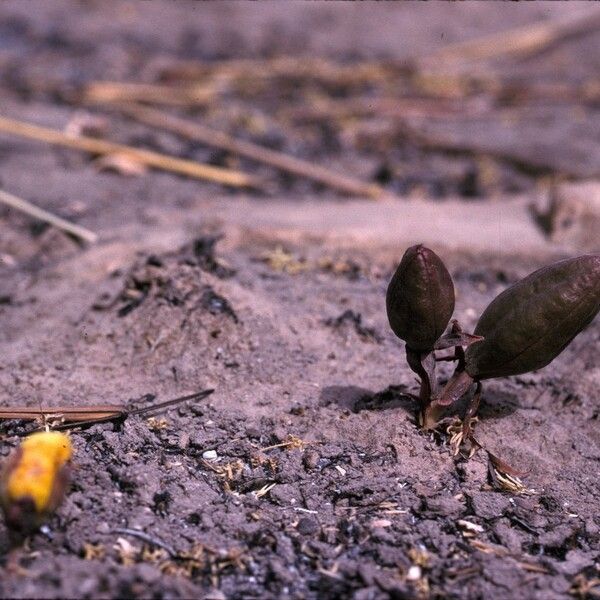
Known as the "Yellow Rose of Africa," Cochlospermum tinctorium is a resilient beauty that paints the dry savannahs with brilliant gold. This hardy shrub is famous for its "phoenix-like" behavior, often blooming directly from the scorched earth immediately after bushfires. While it is admired for its rose-like flowers, it is most valued in West African culture for its subterranean golden roots, which serve as both a powerful medicinal herb and a vibrant natural dye.
🔍 How to Identify
- 🌼 Golden Blooms: The flowers are a striking, bright yellow with five delicate petals and a cluster of orange-tipped stamens in the center, resembling a wild poppy or a briar rose.
- 🍃 Hand-Shaped Foliage: The leaves are palmately lobed (shaped like an open hand), usually featuring 3 to 5 deep segments with slightly serrated edges.
- 🪵 Subterranean Trunk: Much of the plant's biomass is hidden underground in a thick, woody rootstock (caudex), which allows it to survive long periods of drought and intense heat.
🏡 In Your Garden
- ☀️ The Sun Worshipper: This species thrives in full, intense sunlight. In a garden or greenhouse setting, it requires a "dry dormancy" period where watering is significantly reduced to mimic the African dry season.
- 🏜️ Taproot Nuance: Because it develops a deep, fleshy taproot, it is notoriously difficult to transplant once established. If growing in a container, use a very deep "long-tom" pot and a gritty, sandy cactus-mix to prevent root rot.
- 🔥 Fire Ecology: In the wild, flowering is often triggered by heat or smoke. While you don't need to set your garden on fire, providing a warm environment is essential for it to break dormancy.
⚠️ Safety & Toxicity
- ✅ Status: Generally considered non-toxic to humans when handled, though it is primarily used as a processed medicinal herb.
- 🎨 Staining Hazard: The roots contain a potent yellow pigment. If you are pruning or repotting and accidentally snap a root, the sap will leave a long-lasting yellow stain on your hands, clothing, and garden tools.
- 🐾 Pet Caution: While there is little data suggesting it is deadly to pets, the high concentration of tannins and alkaloids in the roots may cause stomach upset if chewed by curious dogs or cats.
✨ Fun Fact
The specific epithet tinctorium comes from the Latin word for "dyeing." For centuries, the roots have been boiled down to create a rich yellow-to-orange dye used for coloring traditional West African cotton fabrics and intricate woven mats.

Detailed Care Instructions
To grow Cochlospermum Tinctorium, also known as the African Yellowwood or Buttercup tree, follow these steps:
- Location: Choose a suitable location that receives full sun. Cochlospermum Tinctorium prefers warm climates and is not frost-tolerant.
- Soil: Use well-draining soil that is rich in organic matter. This plant can adapt to various soil types but prefers slightly acidic to neutral soil.
- Watering: Water the plant regularly, ensuring the soil remains moist but not waterlogged. Avoid overwatering, as it can lead to root rot.
- Propagation: Cochlospermum Tinctorium can be propagated through seeds or cuttings. Start from seeds by scarifying the hard seed coat with sandpaper or a file, then soak them in warm water overnight before planting them in seed-starting mix. For cuttings, take semi-hardwood cuttings in late spring or early summer and root them in a well-draining potting mix.
- Planting: If starting from seeds, sow them in pots or containers at a depth of around 2 inches. Once the seedlings have developed a few true leaves, transplant them to a larger pot or directly into the ground. Leave enough space between each plant to allow for growth.
- Fertilizer: Feed the African Yellowwood tree with a balanced, slow-release fertilizer during the growing season to promote healthy growth. Follow the instructions on the fertilizer label for dosage.
- Pruning: Prune the tree to maintain its shape and remove any dead or damaged branches. Pruning can be done in late winter or early spring before new growth begins.
- Pests and diseases: Cochlospermum Tinctorium is generally resistant to pests and diseases. However, keep an eye out for common garden pests like aphids or mealybugs. Treat any infestations with appropriate organic or chemical pest control methods.
- Mulching: Mulch around the base of the plant with a layer of organic mulch to help retain moisture, suppress weeds, and regulate soil temperature.
- Protection: Protect the young tree from strong winds, as they can cause damage or uproot it. Consider staking the tree until it establishes a strong root system.
Remember, growing any plant requires patience and attention. Provide the necessary care and conditions, and your Cochlospermum Tinctorium plant will gradually grow into a beautiful specimen.
When watering this plant, it is important to ensure that the soil is moist but not waterlogged. It is recommended to water deeply and thoroughly, allowing the water to penetrate to the roots. This can be done by slowly pouring water directly onto the soil at the base of the plant, rather than watering the leaves. It is also important to avoid watering the plant during the hottest part of the day, as this can cause the water to evaporate quickly and not be absorbed by the roots. Instead, it is best to water in the early morning or evening when it is cooler. Lastly, it is important to monitor the soil moisture level regularly and adjust watering frequency as needed based on the plant's needs and the climate in which it is growing.
For optimal growth, the Cochlospermum Tinctorium plant should be fertilized during the growing season from spring to late summer. Use a balanced fertilizer with equal amounts of nitrogen, phosphorus, and potassium, and apply it every two weeks. Make sure to dilute the fertilizer as directed on the package to avoid over-fertilization, which can harm the plant. Avoid fertilizing during the dormant season in winter. Additionally, it is recommended to amend the planting soil with compost or other organic matter to provide nutrients for the long-term health of the plant.
The ideal soil for Cochlospermum Tinctorium plant should be fertile, well-draining, and have a good mix of organic matter. It prefers a soil pH between 6.0 and 7.5. A loamy soil is ideal, as it provides a good balance of drainage and moisture retention. The plant also prefers soil that is slightly sandy, as it allows for good drainage and air circulation. It is important to avoid heavy, clay soils that tend to retain too much water. When planting Cochlospermum Tinctorium, it is recommended to mix compost or aged cow manure into the soil to improve soil fertility and drainage. Regularly fertilizing the plant with nitrogen-rich fertilizers will also help it grow strong and healthy.
To propagate this plant, you will need to first identify a healthy and mature parent plant with strong and developed roots. Take a cutting from the parent plant that is about 6-8 inches in length, making sure to use a sharp and clean blade to prevent damage or infection.
Next, remove any leaves from the bottom 2 inches of the cutting, and dip the cut end into a rooting hormone powder to enhance its chances of rooting. Plant the cutting in well-draining soil in a small pot, making sure that the soil is moist but not waterlogged.
Place the pot in a warm and bright location, but avoid direct sunlight as this can damage the cutting. Humidity is also important for successful rooting, so you may want to cover the pot with a plastic bag or dome to retain moisture.
Check on the cutting regularly to ensure that the soil remains moist and to monitor its progress. Within a few weeks, you should start to see new growth and roots developing, which is a sign that your propagation was successful.
Once the cutting has established roots and grown to a sufficient size, it can be transplanted into a larger pot or planted outdoors in a garden bed. With proper care and maintenance, your new plant will thrive and produce beautiful flowers.








