Plant Overview
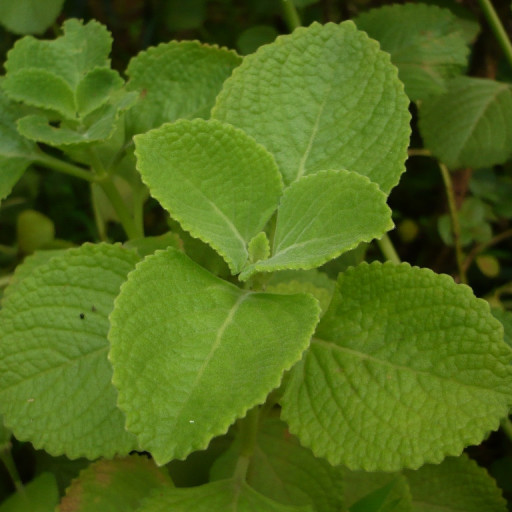
Often called Mexican Mint, Cuban Oregano, or Indian Borage, this aromatic succulent is a true "multitasker" of the plant world. Despite its many geographical nicknames, it is actually native to Southern and Eastern Africa. It bridges the gap between a hardy houseplant and a culinary herb, beloved for its pungent, savory fragrance that fills the air the moment its velvety leaves are touched.
🔍 How to Identify
- 🍃 The Leaves: Look for thick, fleshy, heart-shaped leaves with scalloped (crenated) edges. They feel almost like felt or velvet due to a dense covering of fine hairs.
- 🌸 The Stem: The plant has square-shaped stems, a classic hallmark of the Mint family (Lamiaceae). These stems are quite brittle and can snap easily if handled roughly.
- 👃 The Scent: When crushed, the foliage releases a powerful, complex aroma—a heady mix of traditional oregano, thyme, and a hint of cooling menthol.
🏡 In Your Garden
- ☀️ Sun & Water Nuance: While it loves bright light, its succulent-like leaves can scorch in intense, direct midday sun. It stores water in its foliage, meaning it is far more likely to die from "wet feet" (overwatering) than a brief drought.
- 🪴 Growth Habit: This is a sprawling grower. In a pot, it will eventually trail over the sides, making it a fantastic choice for hanging baskets. Because it roots so easily from broken stems, you can turn one plant into a dozen in just a few weeks.
⚠️ Safety & Toxicity
- 🟢 For Humans: Generally considered safe and widely used as a culinary herb in Caribbean and Southeast Asian cuisines. However, because the flavor is exceptionally strong, it should be used sparingly in cooking.
- 🐾 For Pets: Use caution. Like many aromatic plants in the Plectranthus family, it contains essential oils (like carvacrol) that can cause digestive upset or skin irritation in cats and dogs if ingested in significant quantities.
✨ Fun Fact
In parts of Indonesia, this plant is known as Bunga Bangun-Bangun and has been traditionally used for centuries as a "superfood" for nursing mothers, believed to help increase milk production and aid in postpartum recovery.

Detailed Care Instructions
| Humidity | Dry |
| Lighting | Full Sun |
| Difficulty | Easy |
| Hibernation | Cold Period |
| Temperature | 11°C - 21°C |
| Hardiness Zones | Max 8А |
To grow Coleus Amboinicus plant, also known as Cuban oregano or Indian borage, follow these steps:
- Propagation: Start by obtaining a cutting from an existing healthy plant. Cut a stem that is at least 6 inches long, just below a node (the small bumps on the stem where the leaves grow). Remove the lower leaves from the cutting.
- Prepare the soil: Use well-draining soil rich in organic matter. You can mix compost or peat moss into the soil to improve its quality.
- Planting the cutting: Make a small hole in the soil and insert the cutting, ensuring that at least one node is buried under the soil. Gently press the soil around the cutting to secure it.
- Location: Choose a spot that receives partial sun to full sun, as long as it is not exposed to scorching midday sun. Coleus Amboinicus prefers warm temperatures.
- Watering: Water the plant thoroughly after planting and keep the soil consistently moist, but not waterlogged. Water whenever the top inch of soil feels dry.
- Fertilizing: Feed the plant with a balanced liquid fertilizer once a month during the growing season.
- Pruning: To encourage bushiness, pinch off the tips of the stems regularly. This will promote branching and fuller growth.
- Pests and diseases: Monitor the plant for any signs of pests such as aphids or mealybugs. Treat with an organic insecticide if necessary. Ensure good air circulation around the plant to prevent fungal diseases.
- Harvesting: You can start harvesting the leaves when the plant is about 6 inches tall. Trim the leaves as needed for culinary use or drying. Be sure not to remove more than one-third of the plant at a time to maintain its health.
By following these steps, you should be able to successfully grow and enjoy your Coleus Amboinicus plant.

Place in a bright room that is sun drenched almost all day. Or directly in a south-facing window.

To water this plant, make sure that the soil is dry to the touch before doing so. When watering, aim to moisten the soil evenly. Be careful not to overwater, as this can lead to root rot. Allow any excess water to drain out of the bottom of the pot or container. Watering once a week should suffice, but adjust according to the humidity levels in your environment.
To properly fertilize this specific plant, it is recommended to apply a balanced fertilizer once a month during the growing season. One should dilute the fertilizer to half strength and apply it to the soil or foliage of the plant. It is essential to avoid over-fertilizing to prevent burning the leaves or damaging the plant's health.
The ideal soil for Coleus Amboinicus plant should be well-draining and rich in nutrients. It should have a pH range of 6.0-7.5, slightly acidic to neutral. The soil should contain organic matter, such as compost or aged manure, to provide essential nutrients. Additionally, the soil should be able to retain moisture while also allowing excess water to drain away. It is recommended to use a sandy or loamy soil that is well-aerated, as this will help to prevent waterlogging and improve root growth. When selecting soil for Coleus Amboinicus plant, it is important to avoid compacted or heavy clay soils, as these may impede drainage and prevent adequate root development.
To propagate this plant, take a stem tip cutting about 4-6 inches long. Remove the bottom few leaves and insert the cut end into damp soil or water. Place the cutting in a bright, indirect light and keep the soil or water moist until roots form. Once the roots have developed, transplant the cutting into a well-draining potting mix and water regularly.
Common pests of the mexican mint include Mealybugs, spider mites, thrips. Make a habit of checking your mexican mint frequently for pests so that any infestations can be caught and managed early.








