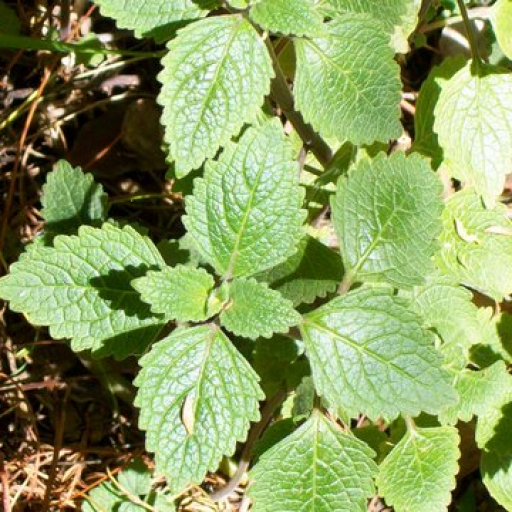
Plant Overview
Known affectionately as the Australian Spur Flower or Cockspur, Coleus australis is a hardy, understated gem from the land down under. Unlike its flashy, multi-colored cousins seen in flowerbeds, this native Aussie species is prized for its soft, scalloped foliage and its ability to thrive where other plants might struggle. It is a true survivor of the forest floor, acting as a lush green carpet in shaded woodland gardens.
🔍 How to Identify
- 🍃 Foliage Texture: The leaves are rounded with distinctively scalloped (crenate) edges. They feel slightly fleshy—almost like a succulent—and are covered in tiny, fine hairs that give them a soft, matte appearance.
- 🟣 The "Spur" Flowers: It produces upright spikes of tiny, tubular flowers that range from pale mauve to a delicate sky blue. The bottom petal is shaped like a tiny boat or "spur," which gives the plant its common name.
- 🌱 Growth Habit: This is a low-growing, spreading herb. It doesn't climb; instead, it creeps along the ground or spills gracefully over the edges of rockeries and hanging baskets.
🏡 In Your Garden
- ☁️ Shade Specialist: While many Coleus species crave brightness to keep their colors, C. australis is a master of the shadows. It is the perfect solution for those "dead zones" under large trees or along the south side of a house where the sun rarely reaches.
- 💧 Drought Resilience: Because of its semi-succulent leaves, it stores water better than many other soft-leaved perennials. It prefers well-draining soil and hates "wet feet," so ensure it isn't sitting in a puddle after a rainstorm.
- ✂️ Easy Propagation: This plant is incredibly "generous." If a stem snaps off, you can simply tuck it back into moist soil, and it will likely grow roots within a week or two without any special hormones.
⚠️ Safety & Toxicity
- 🟢 Generally Safe: Unlike the common ornamental "Wizard" Coleus, which contains essential oils that can irritate pets, Coleus australis is generally considered low-risk.
- 🐾 Pet Caution: While not strictly "poisonous," the aromatic oils in the leaves can cause mild stomach upset or skin redness in particularly sensitive dogs or cats if they decide to use the plant as a snack or a bed. It’s always best to discourage munching!
✨ Fun Fact
The name Plectranthus (the former genus for this plant) comes from the Greek words plektron (spur) and anthos (flower). While scientists recently moved it into the Coleus family based on DNA testing, many old-school gardeners in Australia still call it "Plecky" as a term of endearment!

Detailed Care Instructions
To successfully grow Coleus Australis, also known as Australian Mint Bush, follow these steps:
- Climate requirements: Coleus Australis thrives in warm regions with mild winters. It prefers full sun or partial shade, but can also tolerate full shade.
- Soil requirements: This plant prefers well-draining soil enriched with organic matter. Ensure the soil pH is slightly acidic to neutral (around 6.0 to 7.0).
- Planting: Select a suitable location, considering the plant's size and spread. Dig a hole twice the size of the plant's root ball and backfill it with a mix of compost and garden soil. Plant the Coleus Australis at the same depth it was previously growing.
- Watering: Water the plant regularly, especially during the growing season, to keep the soil consistently moist. Avoid overwatering, as this can cause root rot.
- Mulching and fertilizing: Mulch around the plant to retain moisture and control weeds. Fertilize the plant with a slow-release granular fertilizer in the spring and mid-summer to promote healthy growth.
- Pruning: Prune the plant in early spring to remove any dead or damaged branches. Regularly trim the plant to maintain its desired shape and size.
- Pests and diseases: Keep an eye out for common pests such as aphids, spider mites, and mealybugs. Treat any infestations promptly with organic insecticides. Coleus Australis is generally disease-resistant but can develop root rot if overwatered or planted in poorly draining soil.
- Propagation: Coleus Australis can be propagated through softwood cuttings. Take 4-6 inch cuttings from the plant's stem, remove the lower leaves, and place them in moist potting soil. Keep the cuttings in a warm, humid environment until root growth occurs.
Remember to research and follow any specific instructions for Coleus Australis based on your location and climate to ensure the best possible growth and care for the plant.
Coleus Australis, commonly known as furry Russian spider or dolomite coleus, is a tropical plant belonging to the family Lamiaceae. This evergreen perennial is native to Australia and requires specific care, including watering, to thrive and maintain its health and vibrancy.
Watering plays a crucial role in the growth and development of Coleus Australis. Here are some detailed guidelines on how to water this plant effectively:
- Monitoring soil moisture: Check the moisture levels in the soil regularly. Stick your finger about an inch deep into the soil near the plant to determine if it is dry or moist. Coleus Australis prefers moist but not waterlogged soil.
- Watering routine: The frequency of watering depends on various factors such as the climate, temperature, humidity, and soil type. However, a general guideline is to water the plant thoroughly when the top inch of soil feels dry to the touch.
- Watering method: Use a watering can or a gentle stream of water to wet the soil evenly. Avoid excessive force, as it may damage the plant or dislodge the soil. Water at the base of the plant, aiming to moisten the root zone effectively.
- Adequate drainage: Ensure that the pot or planting bed has proper drainage holes. This prevents water from accumulating around the roots, which can lead to root rot and other moisture-related issues. Excess water should be able to flow freely out of the container or through the soil.
- Avoid water stagnation: Do not allow the plant to sit in a saucer or tray filled with water. Empty any excess water that collects in the drainage saucer or tray promptly to prevent the roots from becoming waterlogged.
- Environmental considerations: Take into account the surrounding environment when determining the frequency of watering. In hot and dry conditions, Coleus Australis may require more frequent watering to prevent drying out. In contrast, during cooler months or in high humidity, the plant may require less frequent watering.
- Mulching: Applying a layer of organic mulch around the plant can help in retaining soil moisture. Mulching also regulates soil temperature and prevents weed growth, creating a favorable environment for Coleus Australis.
Remember, it's essential to strike a balance when watering Coleus Australis. Overwatering or underwatering can cause stress to the plant, leading to various issues such as yellowing leaves, root decay, or stunted growth. Regular observation and adjusting the watering routine according to the plant's needs will help ensure its well-being.
- Choose a well-draining potting mix: Ensure the potting mix you use is lightweight and well-draining to prevent waterlogging and root rot.
- Optimal light conditions: Place the Coleus Australis plant in an area with bright indirect light. Avoid direct sunlight exposure, as it can scorch the foliage.
- Watering routine: Water the plant thoroughly when the top inch of soil feels dry to the touch. Ensure that excess water drains well and avoid overwatering to prevent root rot. However, make sure the soil doesn't completely dry out between waterings.
- Fertilizer selection: Use a balanced water-soluble fertilizer, such as a 10-10-10 or similar NPK ratio fertilizer, to supply essential nutrients to the plant. An organic liquid fertilizer can also be used.
- Fertilizing frequency: During the active growth period, which is typically the spring and summer months, fertilize the plant every two to three weeks. In the dormant period, reduce fertilizing frequency to once a month or suspend it altogether.
- Dilution and application: Dilute the fertilizer according to the instructions on the package. Apply the fertilizer solution to the soil around the base of the plant, taking care to avoid direct contact with the foliage. Water the plant immediately after fertilizing to help distribute the nutrients evenly.
- Additional care: Regularly inspect the plant for any signs of nutrient deficiencies or excesses. Adjust the fertilizing routine accordingly if leaf discoloration or stunted growth occurs. Also, remove any yellowing or dead foliage to maintain plant health and appearance.
Remember, it is always important to research and confirm specific care instructions for your particular plant species, as needs can vary slightly even within the same plant family.
Coleus Australis plant, also known by its scientific name, requires a specific type of soil to thrive. It prefers a well-draining soil that retains some moisture but is not overly saturated. The ideal soil for this plant is loamy or sandy with a slightly acidic to neutral pH level between 6.0 and 7.0.
To create a suitable soil mix for Coleus Australis, you can start with a base of regular potting soil or a mixture of equal parts garden soil, peat moss, and perlite/vermiculite to improve drainage. This will provide a good balance of nutrients and moisture retention. Adding organic matter, such as compost or well-aged manure, can further enhance the soil's fertility and water-holding capacity.
It's important to ensure that the soil is well-aerated to allow the roots to breathe. This can be achieved by adding coarse sand or fine gravel to the soil mix. This component also helps prevent the soil from becoming too waterlogged, which can lead to root rot.
Before planting the Coleus Australis, make sure to moisten the soil without soaking it. This will provide a welcoming environment for the initial root development. Once planted, the soil should be watered regularly, allowing the top inch of soil to dry out slightly between waterings.
Remember, proper soil choice and maintenance are crucial for the overall health and growth of Coleus Australis, providing it with optimal nutrients and water retention while supporting its roots' breathing process.
Propagation of Coleus Australis can be done through two main methods: by stem cuttings or by root division. Here is a detailed guide on how to propagate this plant:
Stem Cuttings:
- Start by selecting a healthy and mature Coleus Australis plant. Look for a stem that is about 4-6 inches long and has several sets of leaves.
- Using a sharp, clean pair of scissors or pruners, make a clean cut just below a leaf node (the point where the leaf attaches to the stem).
- Remove the lower leaves, leaving only a few sets of leaves on the upper part of the cutting.
- If desired, you can dip the cut end of the stem into a rooting hormone to promote root growth. This step is optional but can enhance the chances of successful propagation.
- Now, prepare a small pot or container filled with a well-draining potting mix. Moisten the soil without making it waterlogged.
- Create a small hole in the soil using a pen or pencil and gently insert the cutting into the hole, ensuring that at least one or two nodes are buried under the soil.
- Firmly press the soil around the cutting to provide stability and ensure good contact between the cutting and the soil.
- Place the pot in a warm spot with bright, indirect light. Avoid direct sunlight, as it can damage the cutting.
- Keep the soil consistently moist but not soggy throughout the rooting process. You can mist the cutting or cover it with a plastic bag to create a mini greenhouse effect.
- After a few weeks, roots should start developing. You can gently tug the cutting to check if it has established roots.
- Once the cutting has rooted and grown a few inches in height, it can be transplanted into a larger pot or directly into the garden.
Root Division: - Dig up the mature Coleus Australis plant carefully from the ground or remove it from its pot.
- Gently shake off excess soil to expose the roots.
- Locate the plant's natural divisions or separate the mass of roots into smaller sections using a sharp, clean knife or garden tool. Ensure that each section has enough roots and foliage to survive.
- Next, plant each divided section in a prepared pot or directly in the garden bed.
- Water the newly divided plants thoroughly and keep the soil consistently moist for the first few weeks to aid in root establishment.
- Place the pot or newly divided plants in a warm location with bright, indirect light to encourage healthy growth.
- As the plants continue to grow, you can maintain their care requirements like any other established Coleus Australis plant.
Remember to provide proper care such as adequate sunlight, well-draining soil, and regular watering to ensure the successful propagation and growth of your Coleus Australis plants.








