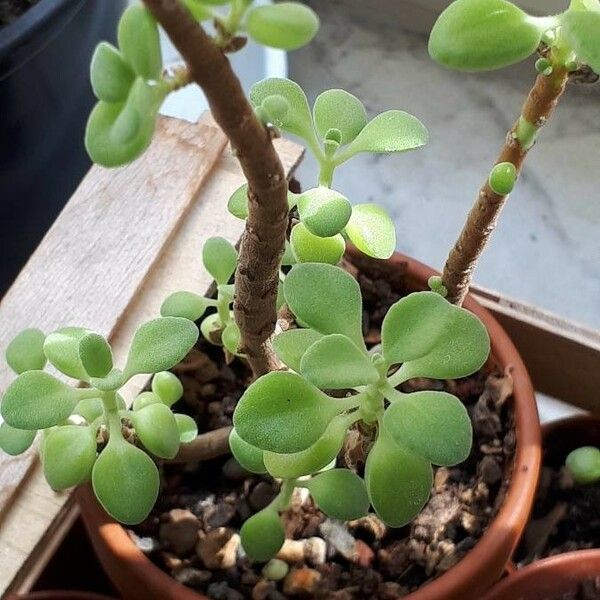
Plant Overview
Often called the Socotran Coleus or the Desert Mint, this rare succulent-like plant hails from the mystical Socotra Island in Yemen—a place often called the "most alien-looking" spot on Earth. Unlike the thirsty, shade-loving Coleus found in typical garden beds, this species is a rugged survivor. It has adapted to thrive on limestone cliffs, making it a perfect, low-maintenance gem for collectors who love "weird" and resilient flora.
🔍 How to Identify
- 🍃 Fleshy, Scalloped Leaves: The leaves are noticeably thick and succulent-like, featuring rounded, "toothed" edges that give the plant a ruffled appearance.
- ☁️ Velvety Texture: Both the stems and leaves are covered in a dense layer of fine, soft hairs (pubescence), which gives the plant a silvery-green tint and protects it from the sun.
- 💜 Lavender Flower Spikes: During its blooming season, it sends up vertical stalks topped with delicate, tubular flowers in shades of pale blue or violet.
🏡 In Your Garden
- 🏜️ Mimicking the Island: This plant hates "wet feet." In a pot, it requires a very gritty, fast-draining cactus or succulent mix. It is much more likely to die from overwatering than from a drought.
- ☀️ Light & Compactness: To keep its beautiful, bushy shape, it needs bright light. If kept in too much shade, the stems will stretch and become "leggy" as the plant searches for the sun.
⚠️ Safety & Toxicity
- 🐾 Pet Warning: While not considered deadly, most plants in the Coleus and Plectranthus families contain essential oils that can cause digestive upset, vomiting, or diarrhea in cats and dogs if chewed.
- 👐 Skin Sensitivity: The fuzzy leaves are generally safe to touch, but the sap can occasionally cause mild skin irritation or "contact dermatitis" for people with highly sensitive skin.
✨ Fun Fact
Coleus socotranus lives in one of the most biodiverse places on the planet; nearly 40% of the plants on Socotra Island are endemic, meaning you cannot find them naturally growing anywhere else in the world!

Detailed Care Instructions
Growing Coleus socotranus, a rare and striking plant native to the Socotra archipelago, requires some specific care to thrive. Here's a comprehensive guide to help you cultivate this unique plant:
1. Understanding Coleus Socotranus
- Appearance: Coleus socotranus is known for its attractive foliage, which may have vibrant colors and patterns.
- Environment: Given its native habitat, this plant prefers warm temperatures and needs protection from intense direct sunlight.
2. Propagation
- Seeds: You can start by obtaining seeds, which might be difficult due to the plant’s rarity.
- Soaking: Soak seeds in water overnight to help with germination.
- Sowing: Use a seed starting tray with a light, well-draining mix (like a mixture of peat moss and perlite).
- Planting: Plant seeds just below the surface, lightly covered with soil.
- Humidity: Cover the tray with plastic wrap or a humidity dome to maintain moisture.
- Soaking: Soak seeds in water overnight to help with germination.
- Cuttings: If you have access to cuttings, this is often faster than starting from seeds.
- Preparation: Cut a healthy, non-flowering stem with several leaves.
- Rooting Medium: Place the cutting in water or a well-draining soil mix.
- Environment: Keep the cuttings in a warm, humid environment until roots develop (usually several weeks).
3. Soil Requirements
- Preparation: Cut a healthy, non-flowering stem with several leaves.
- Type: Use a well-draining soil mix to prevent root rot. A standard potting mix blended with sand or perlite works well.
- pH: Slightly acidic to neutral (pH 6.0 - 7.0).
4. Lighting
- Indirect Sunlight: Place the plant in a location where it receives bright, indirect sunlight.
- Avoid Direct Sunlight: Direct sun can scorch the leaves, so filtered light or partial shade is ideal.
5. Watering
- Consistent Moisture: Keep the soil consistently moist but not waterlogged.
- Drainage: Ensure the pot has good drainage to prevent standing water which can lead to root rot.
- Water Quality: Use rainwater or distilled water if possible, as tap water with high mineral content can damage the plant.
6. Temperature and Humidity
- Warm Temperatures: Ideal temperatures are around 18-24°C (65-75°F).
- Humidity: High humidity levels are preferred. If your environment is dry, use a humidifier or a humidity tray to maintain adequate levels.
7. Fertilization
- Balanced Fertilizer: During the growing season (spring and summer), fertilize every 4-6 weeks with a balanced, water-soluble fertilizer diluted to half strength.
- Avoid Over-fertilization: Too much fertilizer can harm the plant, so apply sparingly.
8. Pruning and Maintenance
- Regular Pruning: Prune regularly to maintain a bushy shape and encourage new growth. Remove dead or yellowing leaves promptly.
- Pests: Watch for common pests like aphids, spider mites, and whiteflies. Treat with insecticidal soap or neem oil if necessary.
9. Repotting
- When Needed: Repot when the plant outgrows its container, typically every 1-2 years.
- How: Choose a slightly larger pot and refresh the soil mix to provide new nutrients.
10. Winter Care
- Bring Indoors: If you live in a climate with cold winters, bring the plant indoors to protect it from frost.
- Reduce Watering: Reduce watering frequency during the dormant period in winter, but don't let the soil dry out completely.
By following these guidelines, you can successfully grow and enjoy Coleus socotranus, appreciating its unique beauty while providing the care and environment it needs to thrive.

Place in a bright room that is sun drenched almost all day. Or directly in a south-facing window.

Watering Coleus Socotranus requires attention to detail to ensure its optimal growth. Here are some guidelines:
1. Soil Moisture: This plant thrives in soil that is consistently moist but not waterlogged. Check the soil moisture regularly by inserting your finger about an inch into the soil. If it feels dry at this depth, it's time to water.
2. Watering Schedule: Water the plant thoroughly when you notice the top layer of soil starting to dry out. This typically translates to a frequency of once a week, but the exact timing may vary based on environmental conditions like temperature and humidity.
3. Water Quality: Use room-temperature water. Avoid using water that contains high levels of salts or chlorine, which can be detrimental to the plant. If you use tap water, let it sit out for 24 hours to allow chlorine to dissipate.
4. Method: Water the plant at the base to ensure that moisture reaches the roots. Avoid getting water on the leaves to prevent fungal infections and other issues.
5. Drainage: Ensure that the pot has good drainage holes to prevent stagnant water, which can lead to root rot. If you're using a saucer under the pot, empty it shortly after watering to avoid water accumulation.
6. Humidity: This plant enjoys high humidity levels. If your indoor environment is dry, consider using a humidifier or placing a tray of water near the plant to increase humidity.
By following these guidelines, you can effectively water your plant and promote healthy growth.
Coleus socotranus is a beautiful plant that benefits from proper fertilization to thrive. Here are some fertilizing instructions for this plant:
- Soil Preparation: Ensure that the soil is well-draining and rich in organic matter. A balanced potting mix with added compost will provide a good start.
- Frequency: Fertilize the plant every two to four weeks during the growing season, which is typically from spring to early fall. Reduce fertilizing frequency during the dormant winter months.
- Type of Fertilizer: Use a balanced, water-soluble fertilizer with an N-P-K ratio of about 10-10-10 or 20-20-20. This ensures that the plant receives an equal supply of nitrogen, phosphorus, and potassium, essential for balanced growth.
- Application: Follow the manufacturer's instructions for dilution rates. Generally, dissolve the recommended amount of fertilizer in water and apply it directly to the soil around the plant. Avoid getting the fertilizer solution on the leaves to prevent potential leaf burn.
- Organic Alternatives: If you prefer using organic fertilizers, consider options like compost tea or fish emulsion. These can be applied every two weeks during the growing season.
- Monitoring: Observe the plant's growth and adjust fertilization as needed. Yellowing leaves or stunted growth may indicate nutrient deficiencies, while overly lush foliage with weak stems may suggest over-fertilization.
- Flush the Soil: Occasionally, it's a good idea to flush the soil with water to remove any built-up salts from the fertilizer, especially if you're using synthetic varieties. This helps prevent root burn and keeps the plant healthy.
By following these instructions, your Coleus socotranus should grow vibrant and healthy.
Coleus socotranus prefers a well-draining soil mix that balances moisture retention and aeration to prevent root rot. The ideal soil composition should include:
- Organic Components:
- Peat Moss or Coco Coir: These materials help retain moisture while providing good drainage. Coco coir is a more sustainable option compared to peat moss.
- Compost: Incorporating compost enriches the soil with nutrients essential for healthy growth.
- Peat Moss or Coco Coir: These materials help retain moisture while providing good drainage. Coco coir is a more sustainable option compared to peat moss.
- Aeration and Drainage Components:
- Perlite or Pumice: These lightweight, porous materials improve soil aeration and drainage, ensuring excess water can easily escape and preventing waterlogged conditions.
- Coarse Sand: Adding coarse sand helps to further enhance drainage and prevents the soil from becoming compacted.
- Perlite or Pumice: These lightweight, porous materials improve soil aeration and drainage, ensuring excess water can easily escape and preventing waterlogged conditions.
- Other Amendments:
- Pine Bark or Shredded Bark: Including these can aid in aeration and provide organic matter as they decompose over time.
- Worm Castings: A small amount of worm castings can provide additional nutrients and beneficial microorganisms.
Suggested Soil Mix:
- Pine Bark or Shredded Bark: Including these can aid in aeration and provide organic matter as they decompose over time.
- 2 parts peat moss or coco coir
- 1 part perlite or pumice
- 1 part coarse sand
- 1 part compost
Ensuring the soil is slightly acidic to neutral (pH between 6.0 and 7.0) is ideal. Regularly check the moisture level, especially in containers, to avoid overwatering. This combination creates an environment conducive to healthy root development and overall plant vigor.
Propagating Coleus socotranus can be done effectively through both seeds and stem cuttings. Here are the detailed steps for each method:
Propagation by Seeds:
- Seed Collection: Obtain fresh seeds from a reputable source or harvest them from a mature plant. Ensure the seeds are fully matured and dried.
- Sowing Time: The best time to sow Coleus socotranus seeds is in the spring when the temperatures are warmer and the days are longer.
- Soil Preparation: Use a well-draining, light potting mix. A mixture of peat moss and perlite or vermiculite works well. Ensure the soil is slightly moist but not soggy.
- Sowing Seeds:
- Fill a seed tray or pots with the prepared potting mix.
- Sprinkle the seeds evenly over the soil surface.
- Lightly press the seeds into the soil but do not cover them, as they need light to germinate.
- Fill a seed tray or pots with the prepared potting mix.
- Watering: Mist the soil gently with water to avoid displacing the seeds. Keep the soil consistently moist but not waterlogged.
- Light Conditions: Place the seed tray in a bright, indirect light location. Avoid direct sunlight, which can be too intense for young seedlings.
- Germination: Seeds should germinate within 1-2 weeks. Maintain consistent moisture and light conditions during this period.
- Transplanting: Once the seedlings have grown their first set of true leaves and are sturdy enough to handle, transplant them into individual pots or directly into the garden.
Propagation by Stem Cuttings:
- Choosing a Cutting: Select a healthy, non-flowering stem from the mother plant. The cutting should be about 4-6 inches long and have several sets of leaves.
- Cutting Preparation:
- Use a clean, sharp knife or scissors to make a clean cut just below a leaf node (the point where a leaf attaches to the stem).
- Remove the lower leaves, leaving 1-2 sets of leaves at the top.
- Use a clean, sharp knife or scissors to make a clean cut just below a leaf node (the point where a leaf attaches to the stem).
- Rooting Hormone (Optional): Dip the cut end of the stem in rooting hormone powder to encourage faster root development.
- Planting the Cutting:
- Fill a small pot with a well-draining potting mix such as a blend of perlite and peat moss.
- Make a hole in the soil with a pencil or your finger and insert the cutting about 1-2 inches deep.
- Firm the soil around the base of the cutting to provide support.
- Fill a small pot with a well-draining potting mix such as a blend of perlite and peat moss.
- Watering: Water the cutting thoroughly, then keep the soil consistently moist but not waterlogged.
- Humidity: To maintain high humidity around the cutting, cover the pot with a clear plastic bag or use a propagator. Ensure there is some air circulation to prevent mold growth.
- Light Conditions: Place the pot in a bright, indirect light spot. Avoid direct sunlight, as it can stress the cutting.
- Rooting Time: Roots should develop within 2-3 weeks. You can check for root growth by gently tugging on the cutting – if you feel resistance, roots have formed.
- Transplanting: Once the roots are well-established, transplant the cutting into a larger pot or directly into the garden.
By following these detailed steps, you can successfully propagate Coleus socotranus and enjoy its ornamental value in your garden or home.
Common pests of the socotran hullwort include Mealybugs, spider mites, thrips. Make a habit of checking your socotran hullwort frequently for pests so that any infestations can be caught and managed early.








