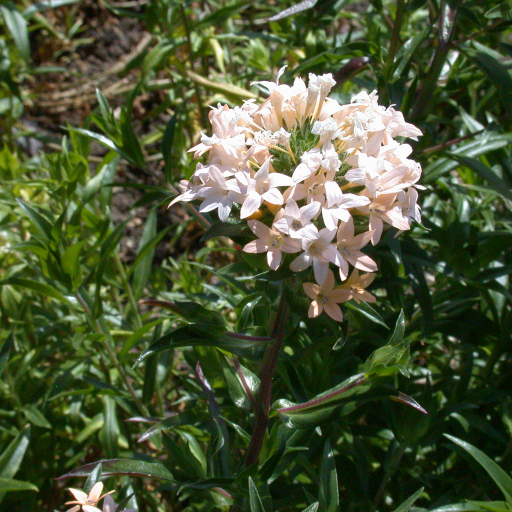
Plant Overview
Commonly known as the Grand Collomia or the Mountain Trumpet, this western North American native is a showstopper for those who love subtle, sunset hues. Often found dancing in the dry meadows of the Pacific Northwest, it is beloved for its clusters of trumpet-shaped flowers that range from creamy apricot to a warm salmon-pink. It’s a resilient annual that brings a touch of wild, rustic elegance to any native plant garden.
🔍 How to Identify
- 🌸 The Bloom: Clusters of narrow, tubular flowers that flare out at the tip. They are most famous for their unique "peach-cream" color, which is rare in the wildflower world.
- 🍃 The Foliage: Long, lance-shaped leaves that are bright green and sit alternately along a sturdy, upright stem.
- ✨ The Sticky Secret: If you touch the area just below the flower cluster, you’ll notice it feels slightly sticky. These are glandular hairs meant to deter crawling insects from stealing nectar.
🏡 In Your Garden
- 🌱 Tough as Nails: This plant thrives in "lean" soil—meaning it actually prefers ground that isn't overly fertilized. It is a champion of rocky slopes and dry, sandy spots where other flowers might wilt.
- 🔄 The Annual Cycle: Since it is a true annual, it lives its whole life in one season. To keep it coming back, let the flower heads dry out on the stalk so they can drop their seeds for next spring.
- 🐝 Pollinator Magnet: The deep trumpet shape is specifically designed for long-tongued visitors. Expect to see butterflies and clearwing moths hovering around the blooms during mid-summer.
⚠️ Safety & Toxicity
- ✅ Safe Standing: Collomia grandiflora is generally considered non-toxic to humans and livestock. It does not carry the heavy alkaloid warnings associated with many other wild mountain plants.
- 🐾 Pet Friendly: There are no documented records of this plant being poisonous to cats or dogs. However, as with any garden plant, ingestion can cause mild stomach upset in curious pets.
✨ Fun Fact
When the seeds of the Grand Collomia get wet, they produce a thick, sticky "mucilage." This biological glue helps the seed anchor itself firmly to the soil (or the fur of a passing animal) to ensure it stays in a good spot to germinate!

Detailed Care Instructions
To grow Collomia grandiflora, also known as grand collomia or large-flowered collomia, you can follow these steps:
- Choose the right location: Collomia grandiflora prefers full sun to partial shade. Ensure your chosen location receives at least 4-6 hours of direct sunlight per day.
- Prepare the soil: Collomia grandiflora prefers well-draining soil. Amend the soil with organic matter, such as compost, to improve drainage and fertility.
- Plant the seeds: Sow the Collomia grandiflora seeds directly into the ground in late spring or early summer after the danger of frost has passed. Gently press the seeds into the soil, as they require light for germination.
- Watering: Keep the soil consistently moist but not waterlogged, especially during the germination and early growth stages. After the plant is established, it can tolerate some drought, but regular watering during dry periods is beneficial.
- Mulching: Apply a layer of organic mulch, such as straw or bark chips, around the plants. Mulch helps retain soil moisture, prevent weed growth, and keep the plant's roots cool.
- Pruning and Deadheading: Collomia grandiflora usually doesn't require much pruning. However, you can deadhead faded flowers to encourage more blooms and prevent the plant from self-seeding excessively.
- Fertilization: Collomia grandiflora generally doesn't require heavy fertilization. A light application of balanced organic fertilizer once or twice during the growing season can be beneficial.
- Pests and Diseases: Collomia grandiflora is generally resistant to pests and diseases. However, keeping the garden clean, with good air circulation, can help prevent common issues.
- Support: Collomia grandiflora can benefit from support if it tends to sprawl. You can install stakes or a small trellis near the plant to provide support as it grows.
- Propagation: If you want to propagate Collomia grandiflora, you can collect the seeds once the flowers have faded and dried. Store the seeds in a cool, dry place until you are ready to sow them.
Remember to research your specific locale's growing conditions and adapt these steps as needed. Good luck with your Collomia grandiflora plant!

Place in a bright room that is sun drenched almost all day. Or directly in a south-facing window.

To water this specific plant, it is important to consider its soil type and moisture requirements. The ideal soil for Collomia Grandiflora is a well-draining, sandy loam with moderate to low fertility. This plant prefers a consistently moist soil, but it should not be watered excessively as it can result in root rot and other problems. To water this plant, one should water deeply and infrequently rather than providing frequent light waterings. It is also important to avoid watering the foliage, which can lead to diseases and fungal problems. To ensure that the soil is never too dry or too wet, one should monitor the soil moisture regularly and adjust watering accordingly.
The plant should be fertilized once a month during the growing season, using a balanced fertilizer with equal amounts of nitrogen, phosphorus, and potassium. Use a liquid fertilizer, mixing it with water according to the product's instructions. Water the plant first before applying the fertilizer to avoid any burn. Avoid over-fertilizing, as this can lead to excessive foliage growth with fewer flowers.
When planting Collomia Grandiflora, it is important to choose a soil that is well-draining and moist. The plant prefers lightweight and sandy soils, which will allow water to flow through and prevent the roots from becoming waterlogged. A soil pH of between 5.5 and 6.5 is ideal for this plant, as it likes slightly acidic conditions. The soil should also be rich in organic matter, which will provide the plant with the nutrients it needs to grow and produce flowers. It is important to avoid heavy, clay soils, which can trap water and prevent the plant from thriving. Additionally, adding compost or other organic matter to the soil can help improve its structure and fertility.
Propagation of this plant can be achieved through several methods, including seed sowing, stem cuttings, and division. For seed propagation, collect ripe seed pods and remove the seeds. Sow the seeds in well-draining soil and keep them moist until they germinate. For stem cutting propagation, take cuttings from healthy, mature plants and dip the cut end in rooting hormone before planting in a rooting medium. Keep the cuttings in a warm, humid environment until they develop roots. Division can be done by carefully separating the roots of a mature plant and replanting the sections in fresh soil.








