Plant Overview
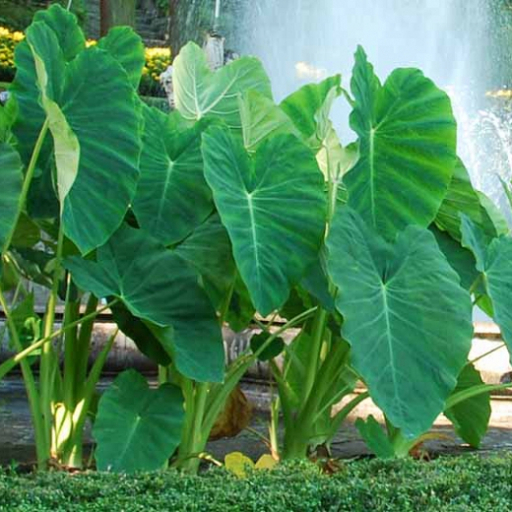
Commonly known as the Imperial Taro or Eddoe, this ancient tropical beauty has been cultivated for thousands of years, transitioning from a vital food source to a majestic garden centerpiece. Its lush, velvety leaves and dramatic presence make it look like a living relic stolen from a misty, prehistoric rainforest floor. Whether grown for its edible tubers or its stunning foliage, it brings an immediate "jungle vibe" to any space.
🔍 How to Identify
- 🌿 The Leaf Shape: Distinctly heart-shaped (peltate) with a matte, velvet-like finish that causes water to bead up and roll off like liquid mercury.
- 🎨 The "Imperial" Pattern: Many varieties feature dark, charcoal-colored "smudges" or patches between the veins, giving the leaf a regal, mottled appearance.
- 🌱 Downward Gaze: Unlike its Alocasia cousins which point to the sky, the tips of the Colocasia leaves gracefully point downward toward the earth.
🏡 In Your Garden
- 💧 The "Wet Feet" Rule: This plant is a true water-lover. While most houseplants fear root rot, Colocasia antiquorum thrives in boggy, swampy conditions and can even be grown at the edge of a pond.
- 🍽️ Heavy Feeders: Think of this plant as a hungry athlete. Because it produces massive leaves in a single season, it requires a "buffet" of rich organic fertilizer and compost to maintain its size and deep colors.
- 🌡️ Winter Dormancy: If you live in a chilly climate, don't panic if it dies back! The plant stores all its energy in a bulb-like corm underground and will "hibernate" until the warmth of spring returns.
⚠️ Safety & Toxicity
- 🚫 Toxic if Raw: The entire plant contains calcium oxalate crystals, which act like tiny needles. If any part of the plant is eaten raw, it causes intense stinging, swelling of the throat, and stomach distress.
- 🐾 Pets and Kids: Keep this beauty out of reach of curious nibblers. It is toxic to dogs, cats, and horses.
- 🧤 Skin Sensitivity: Some gardeners find the sap irritating to the skin; it's always a good idea to wear gloves when pruning or dividing the tubers.
✨ Fun Fact
[🍲] The Ancient Staple: Despite its toxicity when raw, Colocasia antiquorum is one of the oldest cultivated crops in human history. Once boiled or roasted to neutralize the crystals, its tubers become "Eddoe," a nutty, potato-like staple enjoyed in cuisines across Asia and the Caribbean for over 2,000 years!

Detailed Care Instructions
To grow a Colocasia antiquorum plant, also known as elephant ear, follow these steps:
- Choose the right location: Elephant ear plants thrive in full sun to partial shade. Ensure the plant receives at least 6 hours of direct sunlight each day. Additionally, they prefer a warm and humid environment.
- Prepare the soil: Elephant ear plants prefer well-draining soil that is rich in organic matter. Amend the soil with compost or aged manure before planting to improve its fertility and drainage.
- Planting: Plant the Colocasia antiquorum tuber or rhizome in spring, after the last frost date in your area. Dig a hole that is two times bigger than the tuber and place it with the pointed side facing up. Cover it with soil and water thoroughly.
- Watering: Keep the soil consistently moist but not waterlogged. Elephant ear plants require regular watering, especially during dry periods. However, avoid overwatering, as it can lead to root rot.
- Fertilization: Apply a balanced, slow-release fertilizer to the soil during the growing season to promote healthy growth. Follow the instructions on the fertilizer packaging for proper dosage.
- Mulching: Apply a layer of organic mulch, such as wood chips or straw, around the plant to help retain soil moisture and regulate temperature.
- Provide support: As the plant grows, it may require support to prevent it from flopping. Stake or tie the stems to provide stability.
- Pruning: Remove any yellowing or damaged leaves regularly. Prune away any dead or faded flowers to promote new growth.
- Protection from frost: Elephant ear plants are sensitive to cold temperatures. In regions where frost occurs, it's advisable to lift the tubers in fall before the first frost and store them indoors during the winter months.
- Pests and diseases: Colocasia antiquorum plants may be susceptible to pests like aphids or spider mites. Regularly inspect the leaves for signs of infestation and treat accordingly using organic insecticidal soap or neem oil. Good air circulation and proper sanitation can also help prevent diseases like leaf spot or root rot.
By following these guidelines, you can successfully grow a Colocasia antiquorum plant and enjoy its large, tropical leaves in your garden or container.

Place in a window with dappled sun or a spot in the middle of a room. Or directly in a window facing west or east.
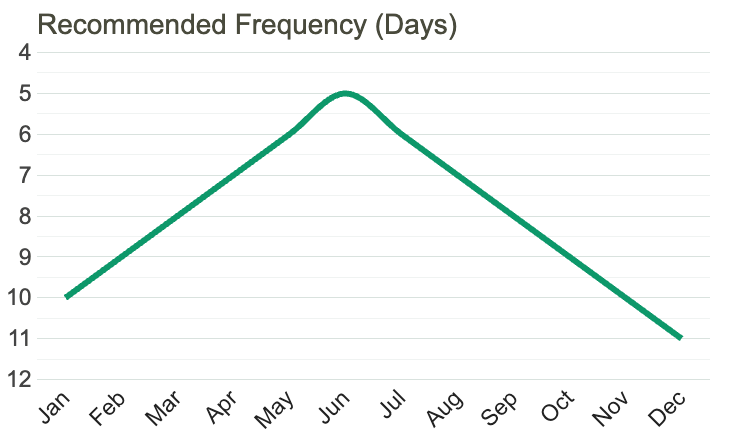
To water this plant, it is important to provide it with enough moisture without overwatering it. The soil should be moist but not soaking wet. Before watering, it is recommended to check the top inch of soil to see if it is dry. If it is dry, add water slowly and allow it to soak into the soil before adding more. This plant prefers to be watered from the bottom, meaning watering the soil directly rather than the leaves or stem. Overwatering can lead to root rot, so it is important to not let water sit in the pot's saucer or tray for too long. In addition to regular watering, it is recommended to mist the leaves occasionally to provide humidity.
To fertilize this plant, choose a balanced, water-soluble fertilizer with equal ratios of nitrogen, phosphorus, and potassium. Dilute the fertilizer to half strength and apply it once a month during the growing season, which is typically from spring to fall. Be sure to water the plant thoroughly before and after fertilizing to avoid burning the roots. Avoid fertilizing during the dormant season, which is usually the winter months.
When planting Colocasia Antiquorum, it is important to use soil that is loamy, well-draining, and rich in organic matter. The soil should have a pH level between 5.5 and 7.0 and should be kept consistently moist but not waterlogged. Adding compost or aged manure to the soil can help improve its nutrient content and water-holding capacity, ensuring that the plant has access to the nutrients it needs to grow strong and healthy. Additionally, it is recommended to plant the Colocasia Antiquorum in a spot that receives partial shade to protect it from direct sunlight, wind, and extreme temperature fluctuations.
To propagate this plant, you can begin by collecting a mature plant with healthy fundamental systems and rhizomes. Then, carefully separate the rhizomes using a sharp knife. Cut each rhizome into as many portions as possible, ensuring there are at least two nodes in each section.
After that, let the cut sections dry before planting in a well-draining soil mix. Ensure that the soil is slightly moist, but not waterlogged, as too much moisture can lead to root rot.
Place the new plants in a warm, bright area, such as a greenhouse or a bright windowsill. Ensure they receive adequate amounts of light, water, and nutrients.
Over time, the new plants will grow, developing their roots and leaves, indicating that they are ready to be transplanted into larger pots or the outdoor garden. Once in the garden, they will continue to grow and reproduce, creating new plants through the same process of rhizome division.
Common pests of the taro include Mealybugs, spider mites, fungus gnats, thrips. Make a habit of checking your taro frequently for pests so that any infestations can be caught and managed early.