Plant Overview
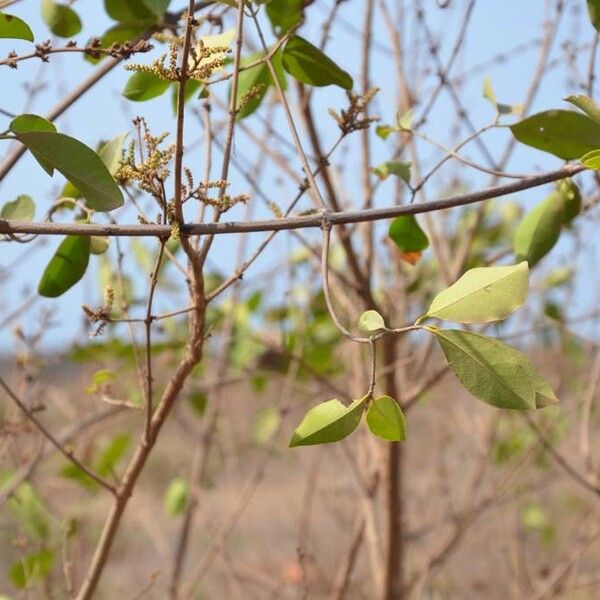
Known as the African Myrrh or the "Poison-grub Corkwood," this rugged shrub is a survivor of the sun-drenched African savannas. It is a close relative of the trees that produce biblical myrrh and frankincense, sharing that same aromatic, resinous soul. In the wild, its twisted, gnarled branches and peeling bark give it the appearance of a natural, ancient bonsai.
🔍 How to Identify
- 🍂 Peeling Bark: The most iconic feature is its papery, yellowish-green bark that peels away in thin, translucent strips, often revealing a bright green, photosynthetic layer underneath.
- ☘️ Trifoliate Leaves: The leaves are usually divided into three small, oval leaflets with scalloped or "toothed" edges. They are soft to the touch and a vibrant green during the rainy season.
- ⚔️ Sharp Spines: Look closely at the branch tips; many of them taper into hard, woody spines that act as a natural deterrent to hungry herbivores.
🏡 In Your Garden
- ☀️ The Ultimate Xeriscape: This plant is an expert at water conservation. It is deciduous, meaning it will drop its leaves and go dormant during dry spells to protect itself, making it perfect for low-water "rockery" gardens.
- 🧱 Living Fences: In its native regions, it is frequently used to create "living fences." Because it grows easily from large cuttings pushed into the ground, it forms a prickly, impenetrable hedge that keeps both intruders and livestock at bay.
⚠️ Safety & Toxicity
- 🌵 Physical Warning: The primary danger is the plant's sharp terminal spines. These can cause painful punctures, so it should be planted away from high-traffic walkways where children or pets play.
- 🐾 Mild Irritant: While not classified as a deadly poisonous plant for domestic pets, the sap and resin can cause mild skin irritation or localized allergic reactions in sensitive individuals.
✨ Fun Fact
- 🏹 The Poison Connection: Its nickname "Poison-grub Corkwood" comes from a fascinating ecological link. The larvae of the Diamphidia beetle feed exclusively on this plant; these same grubs are traditionally harvested by the San people to create the potent poison used on their hunting arrows!

Detailed Care Instructions
Commiphora africana, also known as African myrrh, is a slow-growing and drought-resistant plant that can be grown from seeds or cuttings. Here are some steps to help you grow a Commiphora africana plant:
- Select a well-draining pot or planting site: Commiphora africana prefers well-draining soil and good sunlight. Choose a pot or planting site that receives full to partial sunlight.
- Prepare the soil: Use a well-draining potting mix or sandy soil for planting. Ensure that the soil is slightly acidic to neutral in pH.
- Planting seeds: If you are using seeds, soak them in water for a few hours before planting. Sow the seeds in the soil, cover lightly, and water well. Keep the soil moist until germination occurs.
- Planting cuttings: If you are using stem cuttings, cut a healthy branch from a mature plant and let it dry for a few hours. Plant the cutting in well-draining soil and water well. Keep the soil moist until the cutting establishes roots.
- Watering: Commiphora africana is drought-tolerant, so water sparingly once the plant is established. Allow the soil to dry out between waterings to prevent root rot.
- Fertilizing: Feed the plant with a balanced fertilizer once a month during the growing season. Avoid fertilizing in the winter when the plant is dormant.
- Pruning: Prune the plant to shape it and remove dead or damaged branches. Pruning can also help promote new growth.
- Pests and diseases: Keep an eye out for pests such as scale insects and spider mites. Treat any infestations promptly with insecticidal soap or neem oil.
- Overwintering: Commiphora africana is sensitive to cold temperatures, so bring it indoors or protect it with frost cloth during the winter months.
With proper care and attention, you can successfully grow a Commiphora africana plant in your garden or indoor space.
To water this plant, it is important to consider the soil type, temperature, and humidity in its environment. The plant requires consistent watering, especially during the growing season. It is recommended to water deeply, allowing the water to penetrate the soil and reach the roots. However, it is important not to overwater, as this can lead to root rot and other issues.
One way to check if the plant needs watering is by monitoring the soil moisture level. This can be done by inserting a finger into the soil or using a soil moisture meter. If the soil feels dry, it is time to water.
When watering, it is best to use room temperature or lukewarm water. Cold water can shock the plant and affect its growth. It is also important to avoid getting water on the leaves and stems, as this can lead to fungal diseases.
During the winter months, the plant may require less frequent watering, as it enters a dormant period. However, it is still important to monitor the soil moisture level and ensure the plant does not completely dry out.
To fertilize the Commiphora Africana plant, use a balanced water-soluble fertilizer with a ratio of 10-10-10 or similar. Dilute the fertilizer according to the instructions on the package and apply it to the soil around the base of the plant every 4-6 weeks during the growing season. Be sure to water the plant before and after applying the fertilizer to help it absorb nutrients effectively. Avoid over-fertilizing as this can damage the plant's roots.
When growing the Commiphora Africana plant, it is important to use well-draining soil that is rich in organic matter. The soil should have a pH level between 6.5 and 7.5 and be able to retain moisture without becoming waterlogged. A mix of sand, perlite, and compost is ideal for this plant. To ensure optimal growth, it is recommended to amend the soil with a slow-release fertilizer before planting. Additionally, the plant prefers to be grown in a sunny location with adequate air circulation and protection from frost.
Commiphora Africana can be propagated through seeds or stem cuttings.
To propagate from seeds, collect mature seeds from the plant and soak them in water for 24 hours to soften the seed coat. Plant the seeds in a well-draining potting mix, covering them lightly with soil. Keep the soil consistently moist and place the pot in a warm, bright location. Germination may take several weeks to several months.
To propagate from stem cuttings, choose a healthy, mature stem and make a clean cut just below a leaf node. Remove any lower leaves and dip the cut end in rooting hormone to encourage root development. Plant the cutting in a well-draining potting mix and keep the soil consistently moist. Place the pot in a warm, bright location and mist the cutting regularly to maintain high humidity. The cutting should root within a few weeks to a few months.
Whether propagating from seeds or stem cuttings, it is important to provide the right environmental conditions for the new plant to thrive. Once the plant has established roots, it can be transplanted into a larger pot or into the garden. Regular watering, fertilizing, and care will help the plant continue to grow and thrive.








