Plant Overview
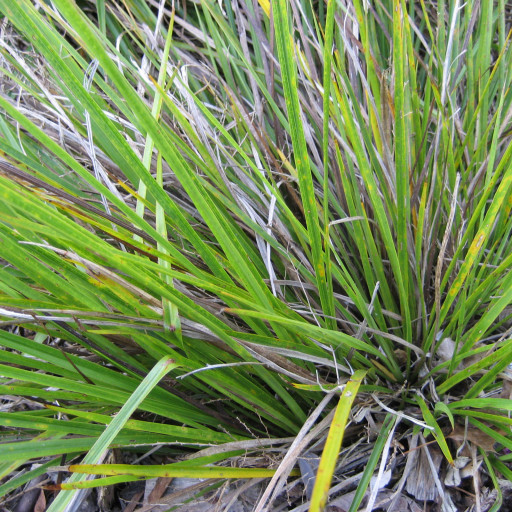
Commonly known as the Dwarf Cabbage Tree or Ti Raauriki in Māori, this New Zealand native is the pint-sized cousin of the towering trees often seen in tropical landscapes. Unlike its giant relatives, the Cordyline pumilio is a master of subtlety, often hiding in plain sight as a clump of forest grass. It was historically valued by indigenous populations for its sweet, edible rhizomes, earning it a place of respect in both the kitchen and the wild garden.
🔍 How to Identify
- 🌿 The Foliage: Long, narrow, grass-like leaves that are usually less than 2 centimeters wide, tapering to a fine point.
- 🪵 The Stem: Unlike most Cabbage Trees, this species is virtually "trunkless." The stem is very short or stays mostly underground, giving it a tufted, fountain-like appearance.
- 🌸 The Blooms: In late spring, it produces airy, delicate sprays of white to pale lilac flowers that carry a soft, sweet fragrance.
🏡 In Your Garden
- 🌱 Root Sensitivity: This plant develops a deep, fleshy taproot that it relies on for nutrients and water storage. Because of this, it deeply resents being moved once established; choose its "forever home" carefully to avoid transplant shock.
- ☀️ Light & Shelter: While it is incredibly hardy, it performs best in dappled light rather than scorching mid-day sun. It is a perfect choice for "under-planting" beneath larger shrubs or trees where it can mimic its natural forest-margin habitat.
⚠️ Safety & Toxicity
- 🐾 Pet Warning: Like many members of the Asparagus family, this plant contains saponins. If ingested by dogs or cats, it can cause drooling, vomiting, and lethargy.
- 👶 Child Safety: While not considered highly dangerous to humans, the leaves are tough and fibrous, posing a choking hazard, and the berries should not be consumed.
✨ Fun Fact
In traditional Māori culture, the Cordyline pumilio was specifically cultivated as a "slow-food" crop. The fibrous roots and stems were harvested and steamed in an earth oven (hāngī) for up to 24 hours to convert the starches into a sweet, honey-like treat!

Detailed Care Instructions
To grow Cordyline Pumilio (also known as Dwarf Cabbage Tree), follow these steps:
- Climate: Ensure you are in the suitable climate for growing Cordyline Pumilio. It thrives in warm and tropical regions with full or partial sun exposure.
- Soil: Prepare well-draining soil that is rich in organic matter. Cordyline Pumilio prefers slightly acidic to neutral soil.
- Planting: Dig a hole that is larger than the root ball of the plant. Place the plant in the hole and backfill with soil. Ensure the root ball is level with or slightly above the soil surface.
- Watering: Keep the soil consistently moist but not waterlogged. Water the plant regularly, especially during dry periods. However, ensure the plant does not sit in excess water, as it can cause root rot.
- Fertilizer: Feed the plant with a balanced fertilizer once a month during the growing season (spring and summer). Follow the instructions on the fertilizer package for application rates.
- Pruning: Remove any dead or damaged leaves periodically. If the plant becomes too tall or leggy, you can trim the top to encourage new growth.
- Pests and diseases: Watch out for common pests like aphids, mealybugs, and scale insects. Treat them using appropriate insecticides or natural remedies. Cordyline Pumilio is generally resistant to diseases.
- Mulching: Apply a layer of organic mulch around the base of the plant to conserve moisture, suppress weed growth, and provide nutrients as it breaks down.
- Protecting from cold: If you live in a region with cold winters, protect the plant from low temperatures. Consider covering it with frost cloth or bringing it indoors for the winter.
- Propagation: Cordyline Pumilio can be propagated through stem cuttings. Take a healthy cutting with several leaves and remove the lower leaves. Plant the cutting in well-draining soil and keep it moist until roots develop.
With proper care and suitable conditions, your Cordyline Pumilio plant should thrive and grow well.

Place in a window with dappled sun or a spot in the middle of a room. Or directly in a window facing west or east.

The Cordyline Pumilio plant should be watered deeply and regularly to keep the soil consistently moist but not waterlogged. It is important to ensure that the plant's root system is well-established before reducing the frequency of watering. The soil should be allowed to dry out partially between waterings, but be careful not to let it dry out completely or the plant may wilt and suffer. When watering, it is best to water directly at the base of the plant rather than overhead to avoid any damage to the foliage. Additionally, it is important to avoid getting water on the leaves to reduce the risk of fungal growth. During the winter months, when the plant is in its dormant phase, watering can be reduced to allow the soil to dry out more completely.
Fertilizing instructions for Cordyline Pumilio plants:
- Choose a balanced, water-soluble fertilizer suitable for indoor or outdoor plants.
- Dilute the fertilizer according to the manufacturer's instructions, usually around half strength.
- Apply the diluted fertilizer to the plant's soil, avoiding direct contact with the foliage.
- For indoor plants, fertilize every two to four weeks during the growing season (spring and summer), and reduce or suspend fertilization during the dormant period (fall and winter).
- For outdoor plants, fertilize every four to six weeks during the growing season.
- Water the plant thoroughly after fertilizing to ensure the nutrients are well-distributed in the soil.
- Monitor the plant's response to fertilization, adjusting the frequency or strength if necessary. Avoid over-fertilizing as it may cause nutrient burn or other negative effects on the plant.
- Consider using organic fertilizers or slow-release fertilizers for a more gradual and balanced nutrient release.
- Regularly check the plant for signs of nutrient deficiency or excess, such as yellowing leaves, stunted growth, or wilting, and adjust the fertilization accordingly.
- Always follow the specific instructions provided with the fertilizer product to ensure proper application and dosage.
The soil that is best suited for the Cordyline Pumilio plant should be well-draining and rich in nutrients. It should have a slightly acidic to neutral pH level. A soil mix that is comprised of a blend of organic compost, peat moss, and coarse sand is recommended. Ensure that the soil is aerated, and avoid using heavy clay-based soils, as they tend to retain too much moisture, which can lead to root rot. Additionally, it is recommended to fertilize the soil with a slow-release fertilizer every six months to promote healthy growth.
To propagate the Cordyline Pumilio plant, follow these steps:
- Select a mature and healthy plant that you wish to propagate. Ensure that the plant has developed a strong root system.
- Prepare a cutting by using clean, sterilized gardening shears or a sharp knife. Make a clean cut about 4-6 inches below the top of the plant, ensuring there are at least 2-3 nodes (small bumps) present on the cutting. Nodes are essential for root growth.
- Remove any lower leaves from the cutting, focusing on the bottom 2-3 inches. This will prevent the leaves from decaying in the rooting medium.
- Dip the cut end of the cutting into a rooting hormone powder or gel. This will help stimulate root development and increase the chances of successful propagation.
- Fill a small pot or seed tray with a well-draining rooting medium, such as a mixture of perlite and peat moss. The rooting medium should be moist but not soaking wet.
- Create a hole or furrow in the rooting medium using a pencil or your finger. Insert the cutting into the hole, ensuring that at least one node is buried beneath the surface.
- Gently press the rooting medium around the cutting to secure it in place and provide stability.
- Mist the cutting with water to maintain high humidity and cover it with a clear plastic bag or a propagator lid. This will create a mini-greenhouse effect and promote moisture retention.
- Place the cutting in a warm, bright location, away from direct sunlight. Aim for a temperature between 70-80°F (21-27°C) to encourage root growth.
- Monitor the cutting regularly, ensuring that the rooting medium remains moist but not waterlogged. Avoid overwatering, as excessive moisture can lead to root rot.
- After a few weeks, gently tug on the cutting to check for resistance, indicating root development. If there is resistance, the cutting has successful roots, and you can gradually remove the plastic covering.
- Once the roots have developed, transplant the rooted cutting into a well-draining potting mix, suitable for the Cordyline Pumilio plant. Continue to provide bright, indirect light and regular watering.
By following these propagation steps, you can easily propagate the Cordyline Pumilio plant and expand your collection of this beautiful species.








