Plant Overview
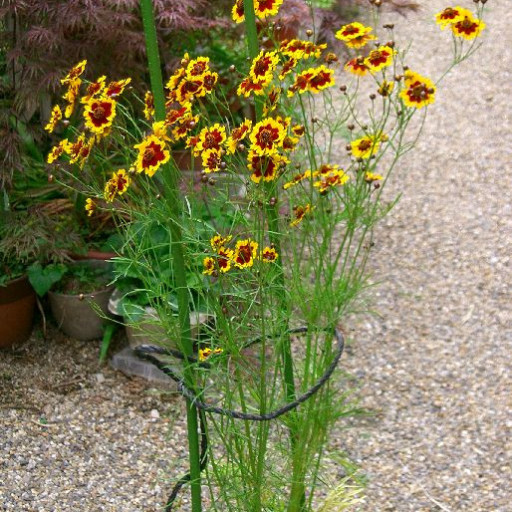
Known fondly as the "Plains Coreopsis" or the "Golden Tickseed," this cheerful wildflower paints the North American landscape in shades of sun-drenched gold and mahogany. It is a staple of wildflower meadows and cottage gardens alike, prized for its ability to thrive in tough conditions where more delicate flowers might wilt. Whether it’s dancing in a summer breeze or feeding a local bee colony, this plant is a testament to the resilient beauty of the prairie.
🔍 How to Identify
- 🌼 The Petals: Distinctive bicolor blooms featuring bright yellow outer edges that transition abruptly into a deep, velvety maroon or chocolate-red center.
- 🌿 The Foliage: Delicate, airy leaves that are finely divided and almost thread-like, giving the plant a misty, ethereal appearance even when not in bloom.
- 📏 The Stature: Slender, multi-branched stems that can reach up to 3 feet tall, often swaying gracefully rather than standing stiffly upright.
🏡 In Your Garden
- 🦋 Pollinator Magnet: This plant is an absolute powerhouse for biodiversity; its nectar-rich blooms are high-priority targets for honeybees, solitary bees, and various butterfly species.
- 🌱 The Self-Seeder: While it is an annual (completing its life cycle in one year), it is a prolific self-sower. If you leave the spent flower heads on the plant, it will effectively "re-plant" itself for the following spring.
- ☀️ Drought Resilience: It possesses a hardy nature that allows it to withstand heatwaves and dry spells once established, making it an excellent choice for xeriscaping or low-maintenance garden borders.
⚠️ Safety & Toxicity
- ✅ Safe Profile: Coreopsis tinctoria is generally considered non-toxic to humans, cats, dogs, and horses, making it a "worry-free" addition to family yards and pet-friendly spaces.
- 👐 Skin Sensitivity: While not poisonous, the sap can occasionally cause mild skin irritation for individuals with specific plant allergies; wearing gloves while pruning is a simple, smart precaution.
✨ Fun Fact
🎨 Nature's Paintbox: Its species name tinctoria literally means "used for dyeing." Native American tribes historically boiled the flower heads to create vibrant yellow and deep mahogany dyes for coloring textiles, blankets, and baskets.

Detailed Care Instructions
| Color | Orange |
| Soil Ph | 5.5 To 6.5 |
| Humidity | Normal |
| Invasive | Weed |
| Lighting | Full Sun |
| Toxicity | Non-Toxic |
| Soil Type | Well-Draining, Sandy Soil |
| Bloom Time | Summer |
| Difficulty | Medium |
| Plant Type | Perennial Flower |
| Hibernation | Cold Period |
| Mature Size | 2-4' Tall And To 18” Wide |
| Native Area | North America |
| Sun Exposure | Full Sun |
| Hardiness Zones | 4-9 |
To grow Coreopsis Tinctoria, also known as Plains Coreopsis or Tickseed, you can follow these steps:
- Choose a suitable location: Coreopsis Tinctoria prefers full sun, so select a spot in your garden that receives at least 6-8 hours of direct sunlight per day. The soil should be well-draining and moderately fertile.
- Prepare the soil: Loosen the soil in the chosen area using a garden fork or tiller. Remove any weeds or grass and add organic matter like compost or well-rotted manure to improve the soil's fertility and drainage.
- Sow seeds: Coreopsis Tinctoria is commonly grown from seed. You can sow seeds directly into the garden bed after the danger of frost has passed and the soil has warmed up. Scatter the seeds on the prepared soil and lightly press them in. Alternatively, you can start the seeds indoors 6-8 weeks before the last frost date and then transplant the seedlings outdoors.
- Watering: Keep the soil consistently moist but not waterlogged until the seeds germinate, which typically takes around 10-14 days. Once the plants are established, they are quite drought-tolerant and only need watering during prolonged dry periods.
- Thin seedlings: If you have sown the seeds directly, thin the seedlings to a spacing of about 6-12 inches apart when they have grown a few inches tall. This provides enough space for proper air circulation and prevents overcrowding.
- Mulch: Apply a layer of organic mulch around the plants to help retain moisture, suppress weed growth, and keep the soil temperature more consistent. Mulching also adds some organic matter as it breaks down.
- Deadheading: To encourage continuous blooming and prevent self-seeding, deadhead the faded flowers by removing them from the plant regularly.
- Fertilizing: Coreopsis Tinctoria doesn't typically require much fertilizer. If you notice poor growth or pale foliage, you can apply a balanced, slow-release fertilizer according to the manufacturer's instructions.
- Pest and disease control: Coreopsis Tinctoria is usually resistant to pests and diseases. However, keep an eye out for aphids or spider mites, and if necessary, treat them with insecticidal soap or a natural insecticide.
- Enjoy the blooms: Coreopsis Tinctoria produces bright and attractive yellow and maroon flowers from summer to fall. Enjoy the beautiful display and consider cutting some flowers for indoor arrangements.
With these steps, you should be able to successfully grow Coreopsis Tinctoria in your garden and enjoy its colorful flowers throughout the growing season.

Place in a bright room that is sun drenched almost all day. Or directly in a south-facing window.

To water this plant, ensure that the soil is dry before watering. Use a watering can or hose to water the soil around the base of the plant. Avoid getting water on the leaves or flowers. Water deeply, ensuring that the soil is saturated to the roots. Allow the soil to dry partially before watering again, as this plant prefers well-draining soil. Watering should be done regularly but with caution in hot summers and drought-prone areas.
To fertilize this plant, begin by selecting a balanced fertilizer with equal parts of nitrogen, phosphorus, and potassium. Apply the fertilizer once a month during the growing season, and be sure to water the plant deeply before and after fertilizing. For best results, spread the fertilizer around the base of the plant and work it into the soil lightly with a garden fork or cultivator, taking care not to damage the roots. Finally, be sure to follow the manufacturer's instructions for the fertilizer you choose to ensure that you are using it correctly and safely.
The recommended soil for growing Coreopsis Tinctoria plant is well-draining, sandy loam soil with a pH range of 5.5 to 7.5. The soil should be rich in organic matter, and should not be heavy or compacted, as this can impede root growth and drainage. Adding compost or well-rotted manure to the soil before planting can improve soil texture and fertility. Additionally, the soil should be moist but not waterlogged, as this can lead to root rot. It is recommended to mulch the soil around the plant to conserve moisture and suppress weeds. Coreopsis Tinctoria prefers full sun but can also tolerate partial shade.
To propagate this plant, first select a healthy specimen that is free from disease and pests. Carefully remove a stem of the plant using a sharp, sterile pruner. Trim off any leaves or flowers from the bottom of the stem, leaving only a few leaves at the top.
Fill a pot with a well-draining soil mix and create a hole in the center with a pencil or your finger. Dip the bottom end of the stem cutting into rooting hormone powder and plant it into the hole. Gently press the soil around the stem to secure it and water the cutting thoroughly.
Place the pot in a bright location out of direct sunlight. Keep the soil moist but not overly wet to prevent the cutting from rotting. Within a few weeks, the cutting should begin to grow new roots and eventually new leaves. Once the plant has established a new root system, it can be transplanted into a larger container or the garden.
Common pests of the plains coreopsis include Aphids. Make a habit of checking your plains coreopsis frequently for pests so that any infestations can be caught and managed early.








