Plant Overview
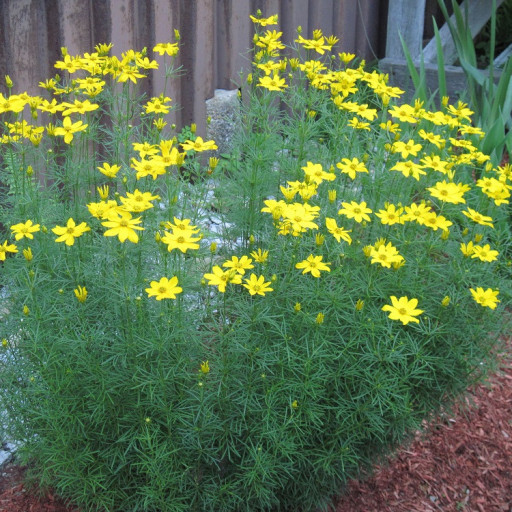
Known fondly as the "Threadleaf Coreopsis" or "Whorled Tickseed," this golden perennial is a staple of the sunny cottage garden. Its airy, delicate texture gives it a misty appearance from a distance, earning it a reputation as one of the most graceful "filler" plants in landscaping. Native to the Eastern United States, it is a champion of resilience, often thriving in the heat where other flowers begin to wilt.
🔍 How to Identify
- 🌿 Lacy Foliage: Unlike other Coreopsis species, the leaves are exceptionally fine and needle-like, arranged in "whorls" (circles) around the stem.
- 🌼 Starry Blooms: Features bright, butter-yellow flowers with eight petals that look like small, radiant stars scattered across a green cloud.
- 🌱 Mounded Habit: It grows in a dense, bushy mound that stays relatively neat, usually reaching about 2 to 3 feet in height and width.
🏡 In Your Garden
- ☀️ The Sun Lover: This plant is a sun-worshipper. While it is incredibly drought-tolerant once established, it actually prefers soil that isn't too "rich." If the soil is too fertile, the stems can become floppy and fall over.
- ✂️ The Mid-Summer Haircut: To keep the golden show going, many gardeners give the plant a "haircut" (shearing it back by half) after the first major flush of flowers fades. This encourages a fresh burst of blooms in late summer.
- 🦋 Pollinator Magnet: Its flat, open flowers act as perfect landing pads for butterflies and native bees, making it a must-have for biodiversity-focused gardens.
⚠️ Safety & Toxicity
- ✅ Pet & Human Friendly: Coreopsis verticillata is generally considered non-toxic to humans, dogs, and cats.
- 🌸 Skin Sensitivity: While not poisonous, the sap can occasionally cause very mild skin irritation in individuals with sensitive skin. Wearing gloves while pruning is a good practice for any heavy gardening session.
✨ Fun Fact
The common name "Tickseed" comes from the appearance of its small, dark, curved seeds, which look remarkably like tiny beetles or ticks. Don't worry, though—they don't bite! They are actually a favorite snack for small songbirds in the autumn.

Detailed Care Instructions
To grow Coreopsis Verticillata plant, you can follow these steps:
- Choose a suitable location: Coreopsis Verticillata prefers full sun to partial shade. Select a spot in your garden that receives at least 6 hours of direct sunlight per day.
- Prepare the soil: Coreopsis Verticillata prefers well-draining soil. Before planting, amend the soil with organic matter such as compost to improve its fertility and drainage.
- Planting: Dig a hole that is slightly larger than the root ball of the plant. Gently place the plant in the hole, ensuring that the top of the root ball is level with the surface of the soil. Space multiple plants about 1-2 feet apart, as they can spread.
- Watering: Initially, water the plant well to help establish the roots. Afterward, water the plant when the top inch of soil feels dry. Avoid overwatering, as this can cause root rot.
- Mulching: Apply a layer of organic mulch around the plant to help retain moisture and suppress weed growth. Mulching also helps to regulate soil temperature.
- Fertilization: Coreopsis Verticillata doesn't require much fertilization. However, you can apply a balanced, slow-release fertilizer in spring to promote healthy growth. Follow the instructions on the fertilizer package for the appropriate dosage.
- Deadheading: To encourage continuous flowering, deadhead spent blooms by removing them at the base. This stimulates the plant to produce more flowers.
- Pruning: Coreopsis Verticillata benefits from periodic pruning. In late winter or early spring, trim the plant back to about 6-8 inches above the ground to remove any dead or damaged growth and promote new growth.
- Pests and diseases: Coreopsis Verticillata is generally resistant to pests and diseases. However, keep an eye out for common garden pests such as aphids, slugs, and snails. If you notice any infestations, address them promptly using appropriate organic pest control methods.
- Division: Over time, Coreopsis Verticillata can become overcrowded. Divide the plant every few years in early spring or fall to maintain its vigor. Dig up the plant and separate the clumps into individual sections, each with roots and foliage, then replant them.
By following these steps, you can successfully grow Coreopsis Verticillata plants in your garden. Enjoy their cheery, daisy-like flowers!

Place in a bright room that is sun drenched almost all day. Or directly in a south-facing window.

Coreopsis Verticillata is a perennial flowering plant that requires regular watering to thrive. To water this plant, you can follow a few simple steps:
1. Check the soil moisture: Before watering, check the soil moisture by inserting your finger into the soil up to the second knuckle. If it feels dry to the touch, it's time to water.
2. Water at the base: When watering Coreopsis Verticillata, water at the base of the plant rather than overhead. This way, you can avoid getting water on the flowers and foliage, which can lead to fungal growth.
3. Water deeply: When watering, make sure to give the plant a good soak. Water deeply enough that the soil is moist but not saturated, as this can lead to root rot.
4. Water regularly: Coreopsis Verticillata prefers consistently moist soil, but not waterlogged. Watering this plant regularly, such as once per week, can help it thrive.
By following these basic watering guidelines, you can ensure that your Coreopsis Verticillata plant stays well-hydrated and healthy.
To fertilize this plant, choose a well-balanced fertilizer with equal amounts of nitrogen, phosphorus, and potassium. Apply the fertilizer in the spring just as new growth begins to emerge, and again in mid-summer. Avoid over-fertilizing, as this can cause the plant to become too leggy and weak. Be sure to water the plant well before and after fertilizing to ensure the nutrients are properly absorbed.
The ideal soil for this plant requires a well-drained soil with a pH between 6.0 and 7.0. The soil should be enriched with organic matter to improve fertility, moisture retention, and overall soil structure. It is also important to ensure that the soil is not compacted or too heavy, as this can hinder root growth and drainage. A mixture of sand and compost may be used to improve soil texture and drainage. It is important to regularly mulch around the plant to conserve moisture and prevent weed growth.
Propagation of this perennial plant can be achieved through both seed sowing and vegetative methods. To propagate through seed sowing, collect seeds from the matured plant after the flowering season. Spread the seeds on a well-drained soil mixture in a container. Keep the soil moist but avoid over-watering. The seeds will germinate in 14-21 days and will develop into seedlings.
To propagate through vegetative methods, take cuttings from mature plants during early spring. Cut a few portions of the stem with a sharp, sterile blade. Dip the cuttings into rooting hormones and place them in well-drained soil. Keep the soil moist, and protect the cuttings from direct sunlight.
Another vegetative method is through division. Dig out an entire clump of the mature plant and carefully separate the roots and stems into smaller sections. Plant these sections into new, well-drained soil. Keep the soil moist, and protect the new plants from direct sunlight until they establish roots.
Regardless of the propagation method, it takes about 2-3 years for the plant to reach its full potential and start producing flowers.
Common pests of the whorled tickseed include Aphids. Make a habit of checking your whorled tickseed frequently for pests so that any infestations can be caught and managed early.








