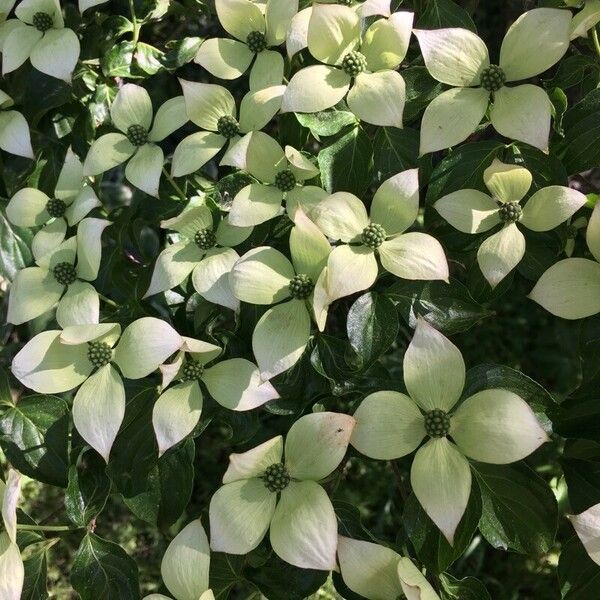
Plant Overview
Often called the Chinese Cornel, this elegant deciduous tree is a sophisticated cousin to the more common garden dogwoods. While many associate dogwoods with large, white "petals," Cornus chinensis announces spring with a sophisticated explosion of tiny golden starbursts. It is a prized specimen for those who appreciate a garden that offers beauty in all four seasons, from its early blooms to its exfoliating winter bark.
🔍 How to Identify
- 🌼 Golden Umbels: Unlike the Kousa dogwood, this species produces clusters of tiny, bright yellow flowers that appear on naked branches in late winter or very early spring.
- 🍃 Arching Veins: The leaves are glossy and oval, featuring the signature "dogwood" vein pattern where the veins curve gracefully to follow the leaf's edge toward the tip.
- 🪵 Peeling Bark: On mature specimens, the bark is a highlight; it flakes away in patches of grey, dull orange, and brown, creating a rich texture similar to a jigsaw puzzle.
🏡 In Your Garden
- 🌱 Acidic Ambitions: This tree is a bit of a connoisseur when it comes to dirt. It thrives in rich, moist, and slightly acidic soil. If your garden has heavy clay or high alkalinity, you may need to amend the site to keep the foliage from turning yellow.
- 🌤️ The "Goldilocks" Light: It loves the sun but hates the heat. In warmer climates, plant it where it receives morning light but is shielded from the brutal afternoon sun to prevent "leaf scorch," which makes the edges of the leaves look burnt.
⚠️ Safety & Toxicity
- 🟢 Generally Safe: Cornus chinensis is not considered toxic to humans or common household pets like dogs and cats.
- 🍒 Edible but Tart: The red, oblong fruits (drupes) that appear in autumn are technically edible and are used in traditional preserves, though they are quite astringent and sour if plucked straight from the branch.
✨ Fun Fact
In Traditional Chinese Medicine, the fruit of this tree—known as Shan Zhu Yu—is a staple ingredient. It has been used for over two millennia in tonic formulas intended to "replenish the essence" and support kidney function.

Detailed Care Instructions
To successfully grow Cornus chinensis, also known as Chinese dogwood, you will need to follow these steps:
- Select a suitable planting location: Cornus chinensis prefers partial shade or dappled sunlight, so choose a spot in your garden that receives morning sun and afternoon shade. The soil should be well-draining, moist, and rich in organic matter.
- Prepare the soil: Before planting, prepare the soil by removing any weeds or grass from the area. Amend the soil with compost or well-rotted manure to improve its fertility and drainage.
- Planting: Dig a hole slightly larger than the root ball of the Cornus chinensis plant. Place the plant in the hole, ensuring that the top of the root ball is level with the soil surface. Backfill the hole with soil, gently firming it around the roots. Water thoroughly after planting.
- Watering: Cornus chinensis requires regular watering, especially during dry periods. Keep the soil consistently moist, but avoid overwatering, as excessive moisture can lead to root rot. Mulching around the base of the plant can help retain moisture in the soil.
- Fertilization: Feed the plant with a balanced slow-release fertilizer in early spring. Follow the manufacturer's instructions for application rates. Avoid over-fertilizing, as it can cause excessive vegetative growth at the expense of flowering.
- Pruning: Cornus chinensis benefits from selective pruning to maintain its shape and encourage better airflow. Prune dead, damaged, or crossing branches in late winter or early spring before new growth emerges. Avoid heavy pruning, as it may reduce flowering.
- Pest and disease control: Chinese dogwood is generally resistant to most pests and diseases. However, regular monitoring is necessary to catch any potential issues early. Treat any infestations or diseases promptly with appropriate organic or chemical controls as necessary.
- Winter protection: In colder regions, protect the plant from harsh winter conditions by applying a layer of mulch around the base. This will help insulate the roots and prevent freeze-thaw cycles.
By providing the proper growing conditions, regular care, and occasional pruning, your Cornus chinensis plant should thrive and reward you with beautiful blooms.

Place in a bright room that is sun drenched almost all day. Or directly in a south-facing window.

Cornus chinensis is a shrub or small tree native to China. Watering the plant properly is essential for its health and growth. Here are some details on how to water this plant:
1. Soil moisture: Cornus chinensis prefers moist but well-drained soil. Before watering, check the moisture level of the soil by inserting your finger about an inch deep into the soil. If the soil feels dry at this depth, it is time to water the plant.
2. Watering frequency: Young Cornus chinensis plants generally require more frequent watering compared to established ones. During the first year after planting, water the plant regularly, keeping the soil consistently moist. As the plant matures, reduce the frequency of watering, allowing the soil to slightly dry out between each watering session. Avoid overwatering, as it can lead to root rot and other issues.
3. Watering method: To water Cornus chinensis, use a gentle and slow watering method to ensure that the water penetrates deeply into the root zone. A soaker hose or drip irrigation system is ideal for this purpose. Avoid overhead watering methods that can lead to leaf diseases and wastage of water.
4. Watering amount: When watering, aim to give an adequate amount of water to thoroughly moisten the soil. The amount of water required will depend on factors such as climate, soil type, and stage of growth. As a general guideline, apply around 1 inch of water per week during the growing season. Adjust the watering amount based on the plant's needs and environmental conditions.
5. Mulching: Applying a layer of organic mulch around the base of the Cornus chinensis plant helps retain soil moisture and regulate soil temperature. This reduces the frequency of watering required and helps protect the plant's shallow root system.
6. Rainwater harvesting: Consider collecting and using rainwater for watering Cornus chinensis. Rainwater is free from chlorine and other chemicals present in tap water, making it an excellent choice for plants. Use a rain barrel or any other suitable container to collect rainwater and apply it to the plant as needed.
Remember, these instructions are general guidelines, and it is important to monitor the moisture levels of the soil and adjust the watering practices accordingly.
To promote healthy growth and development of the Cornus Chinensis plant, follow these fertilizing instructions:
- Choose a balanced, slow-release fertilizer labeled for use on flowering shrubs or ornamental plants.
- Apply the fertilizer in early spring, just before new growth emerges.
- Measure the recommended amount of fertilizer according to the package instructions.
- Scatter the fertilizer evenly around the base of the plant, avoiding direct contact with the stems or leaves.
- Gently work the fertilizer into the top few inches of soil using a cultivating tool or a hand rake.
- Water the plant thoroughly after fertilizing to help incorporate the nutrients into the soil.
- Refrain from over-fertilizing, as excessive nutrient levels can lead to poor plant health and damage.
- Monitor the plant's growth and appearance throughout the growing season to determine if additional fertilization is required.
- If the plant shows signs of nutrient deficiency, such as yellowing leaves or stunted growth, consider applying a balanced liquid fertilizer according to the product instructions.
- Repeat the fertilization process annually in early spring for optimal plant health and performance.
Remember to always read and follow the instructions provided by the fertilizer manufacturer for the best results.
The ideal soil for Cornus Chinensis is a well-draining, loamy soil that is rich in organic matter. It should have a slightly acidic to neutral pH ranging from 5.5 to 7.0. This type of soil structure allows for adequate water drainage while retaining moisture and nutrients.
The soil should be fertile and have good water-holding capacity to support the healthy growth of Cornus Chinensis. It is recommended to incorporate organic matter such as compost or well-rotted manure into the soil to improve its fertility and structure. This helps provide essential nutrients and promotes optimal root development.
Additionally, Cornus Chinensis prefers a soil that does not become waterlogged, as excessive moisture can lead to root rot and other diseases. Thus, proper drainage is crucial to prevent waterlogging and ensure the health of the plant.
The soil should also be well-aerated to allow oxygen to reach the roots easily. This can be achieved by avoiding excessive compaction of the soil and incorporating organic matter to improve its overall structure.
Overall, a well-draining, fertile, and slightly acidic to neutral soil with good water-holding capacity is recommended for optimal growth and development of Cornus Chinensis.
Cornus Chinensis, also known as Japanese Cornel Dogwood or Korean Dogwood, is a deciduous shrub native to East Asia. It can reach a height of up to 15 feet and is characterized by its broad, ovate leaves and clusters of small yellow flowers that bloom in early spring. The plant produces dark blue-black berries in late summer, which are attractive to birds.
To propagate Cornus Chinensis, there are several methods you can use:
- Stem Cuttings: Take cuttings from healthy, mature stems of the plant in the late spring or early summer. Make sure the cuttings are about 4-6 inches long and include at least three leaf nodes. Remove the lower leaves, leaving only a few leaves at the top. Dip the cut ends in rooting hormone powder, then plant them in a well-draining potting mix or a mixture of sand and peat moss. Keep the cuttings moist and provide them with indirect light. After a few weeks, roots should develop, and you can transplant the rooted cuttings into individual pots or directly into the ground.
- Division: This method is best done in early spring before new growth begins. Dig up the mature shrub and carefully separate the root clumps into smaller sections using a shovel or garden fork. Each divided section should have healthy roots and shoots. Replant the divided sections in prepared soil, ensuring that the base of the stem is level with the soil surface. Water the newly divided sections thoroughly and keep the soil moist until they establish themselves.
- Layering: In early spring, select a low-growing branch that is flexible and close to the ground. Make a small incision on the underside of the branch, near a leaf node, and gently bend it down to the ground, burying the wounded section in a shallow trench. Use a small rock or stake to hold the branch in place. Cover the buried section with soil, leaving the tip exposed. Keep the soil consistently moist and wait for roots to develop. Once roots have formed, sever the rooted branch from the parent plant and transplant it to its desired location.
- Seeds: Collect the ripe berries from the plant in the late summer or early fall. Remove the flesh from the seeds by gently rubbing them against a screen or mesh. Soak the seeds in water for 24 hours to enhance germination. After soaking, sow the seeds in a well-draining potting mix, covering them with a thin layer of soil. Keep the soil evenly moist and place the pots in a warm location with indirect light. Germination may take several weeks to a few months. Once the seedlings have grown several inches tall, they can be transplanted into individual pots or directly into the ground.
It is important to note that Cornus Chinensis prefers moderately fertile, well-draining soil and a location with full to partial sun. Regular watering and occasional fertilization will help the propagated plants establish and thrive. With proper care, the new plants should grow into mature specimens, providing beauty and interest to your garden or landscape.








