Plant Overview
Deep in the heart of the Amazon rainforest and the Guianas, Couma rigida stands as a literal "fountain of milk." Often called Sorva or the Amazonian Milk Tree, this tropical giant is beloved by local communities for its sweet, creamy fruits and the thick, white latex that flows from its bark. It is a tree that bridges the gap between a wild forest sentinel and a vital source of forest-confectionery.
🔍 How to Identify
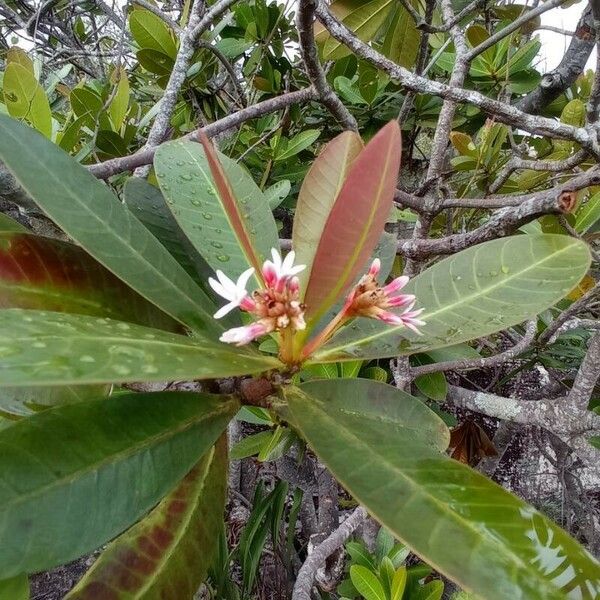
- 🍃 Leathery Foliage: The leaves are exceptionally "rigid" (as the name suggests), thick, and glossy. They are usually arranged in tight whorls of three or four around the stems.
- 🌸 Delicate Blooms: It produces small, star-shaped tubular flowers that range from white to pale pink, which eventually give way to round, berry-like fruits.
- 🩸 Milky Sap: If the bark or a leaf is nicked, a thick, bright white latex immediately begins to ooze out, which is the most distinctive characteristic of the Couma genus.
🏡 In Your Garden
- 🌳 Space Requirements: In its natural habitat, this tree can reach staggering heights. If you are attempting to grow one, it requires a massive amount of vertical space and deep, acidic soil to accommodate its expansive root system.
- 🌡️ Tropical Dependency: This is not a plant for temperate zones. It thrives in high-humidity environments and is extremely sensitive to cold; even a light frost can be fatal to the tree.
- 💧 Watering Nuance: While it loves water, it requires "moving" moisture. Stagnant, waterlogged soil will quickly lead to root rot, so ensuring excellent drainage is key to its survival.
⚠️ Safety & Toxicity
- 🍏 Status: The ripe fruit is edible and highly prized for its sweet, milky flavor, often used locally to make juices, ice creams, and sweets.
- 🧪 Latex Sensitivity: While the sap has been used historically as a milk substitute in coffee, it contains high amounts of natural rubber. It can cause skin irritation (contact dermatitis) in people with latex allergies.
- 🐾 Pet Safety: The leaves and unripe fruit contain high concentrations of sticky latex, which can cause digestive blockages or mouth irritation if chewed on by pets.
✨ Fun Fact
The thick, white latex of the Sorva tree was once a primary ingredient in the international chewing gum industry! Before synthetic bases became the norm, "chicleros" (sap collectors) would tap these trees in the wild to harvest the "leche" for use as a natural gum base.

Detailed Care Instructions
Couma rigida, commonly known as the tobacco tree, can be grown from seeds or cuttings. Here are some steps to help you grow this plant successfully:
- Obtain seeds or cuttings: You can collect seeds from mature Couma rigida plants or purchase them from a reputable supplier. Cuttings can also be taken from healthy, mature plants.
- Soil and container: Plant the seeds or cuttings in a well-draining potting mix that is rich in organic matter. Choose a container that is at least 8 inches deep to allow for root development.
- Planting: Plant the seeds or cuttings at a depth of about half an inch in the soil. Water the soil thoroughly after planting.
- Light and temperature: Couma rigida plants prefer bright, indirect light and warm temperatures. Keep the plant in a location that receives sunlight for at least 6-8 hours a day.
- Watering: Water the plant regularly, keeping the soil moist but not waterlogged. It is important to avoid overwatering as this can lead to root rot.
- Fertilizing: Fertilize the plant with a balanced liquid fertilizer every 4-6 weeks during the growing season to promote healthy growth.
- Pruning: Trim back any dead or damaged branches to encourage new growth and maintain the plant's shape.
- Repotting: As the plant grows, you may need to repot it into a larger container to accommodate its roots.
By following these steps and providing the plant with the proper care, you can successfully grow Couma rigida in your garden or indoor space.
Couma Rigida plant should be watered consistently, but be sure to allow the soil to dry out slightly between waterings to prevent overwatering. When watering, thoroughly saturate the soil until water begins to drain out of the bottom of the pot. It is important to water at the base of the plant to avoid getting the foliage wet, as this can lead to fungal diseases. Additionally, using room temperature water is best to prevent shocking the plant's roots. Avoid using water that is high in salts or chemicals, as this can damage the plant. Finally, be sure to adjust the frequency of watering based on the season and environmental conditions to ensure the plant remains healthy and hydrated.
Couma Rigida plants benefit from regular fertilizing to support healthy growth. Use a balanced fertilizer with equal parts nitrogen, phosphorus, and potassium. Apply the fertilizer every 4-6 weeks during the growing season, following the manufacturer's instructions for dilution and application. Water the plant thoroughly after fertilizing to help the nutrients penetrate the soil and reach the roots. Avoid over-fertilizing, as this can lead to nutrient imbalances and harm the plant.
Couma rigida plant thrives in well-draining soil that is rich in organic matter. A suitable soil mix for this plant would consist of a combination of peat moss, pine bark, and perlite or sand to improve drainage. It is important to avoid heavy, compacted soils that could retain too much water and lead to root rot. Additionally, a slightly acidic to neutral pH level is preferred for Couma rigida plants. Regularly amending the soil with organic compost or fertilizer can help provide essential nutrients for healthy growth. Overall, the key to successful cultivation of Couma rigida is providing a well-balanced soil mix that promotes good drainage and sufficient levels of nutrients for the plant to thrive.
Couma rigida can be propagated through seeds or cuttings.
To propagate from seeds, harvest mature seeds from the plant and sow them in a well-draining potting mix. Keep the soil consistently moist and provide indirect sunlight until the seeds germinate.
To propagate from cuttings, select a healthy stem from the plant and cut it at a 45-degree angle. Remove any lower leaves and dip the cut end in rooting hormone. Plant the cutting in a pot filled with a well-draining soil mix and place it in a warm, bright location. Keep the soil moist but not waterlogged until roots develop.
Make sure to provide proper care for the newly propagated plants, including regular watering, sunlight, and fertilizer. With proper care, the propagated Couma rigida plants should establish roots and grow into healthy, mature plants.








