Plant Overview
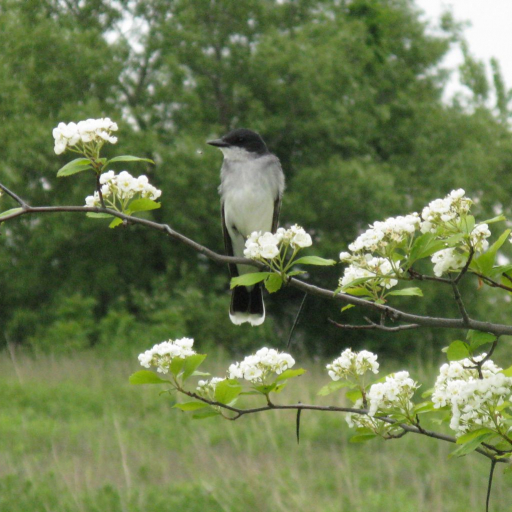
Known as the Large-spined Hawthorn, this North American native is the "knight in shining armor" of the forest edge. With its crown of delicate white blossoms in the spring and a formidable defense system of spear-like thorns, it has long been used as a natural boundary marker. In folklore, Hawthorns are often seen as bridges between worlds, but in the modern garden, they are prized for their rugged beauty and the sanctuary they provide for local wildlife.
🔍 How to Identify
- ⚔️ The Spines: Its most defining feature is the massive, glossy, chestnut-brown thorns that can reach up to 4 inches in length. They are incredibly sharp and often slightly curved.
- 🍃 Leaf Texture: The leaves are broadly oval with "double-toothed" edges. They have a leathery feel and a dark green, lustrous topside that turns a warm bronze or gold in the autumn.
- 🍎 Fruit and Flower: In late spring, it produces flat-topped clusters of white flowers. These are followed by small, bright red, apple-like fruits (pomes) that persist into winter.
🏡 In Your Garden
- 🛡️ Natural Security: Because of its dense growth habit and "vicious" thorns, this plant is an elite choice for a living security fence. It is nearly impossible for large animals or intruders to push through a mature thicket.
- 🐦 Wildlife Magnet: It is a five-star hotel for songbirds. The thorns protect nests from predators like cats and hawks, while the late-season berries provide a vital food source when other supplies vanish in the snow.
- 🌱 Tough Disposition: Unlike more delicate ornamental trees, the Large-spined Hawthorn is highly resistant to "Cedar-Hawthorn Rust" and can thrive in heavy clay soils where other plants might struggle with root rot.
⚠️ Safety & Toxicity
- 🧤 Physical Hazard: The primary danger is the thorns. They are sturdy enough to puncture thick clothing and even some footwear. Always wear heavy-duty leather "gauntlet" gloves when pruning.
- 🐾 Seed Toxicity: Like many members of the Rose family (including apples), the seeds inside the red berries contain small amounts of cyanide. While birds eat them safely, keep pets and children from consuming the seeds in large quantities.
- 🩹 Skin Care: If scratched by a thorn, clean the area thoroughly; Hawthorn scratches can sometimes cause mild localized swelling or "plant thorn synovitis" if a tip breaks off under the skin.
✨ Fun Fact
In many European and American traditions, bringing Hawthorn blossoms into a house was once considered bad luck because the scent of some species mimics the smell of decomposing matter—an evolutionary trick to attract its favorite pollinators: carrion flies!

Detailed Care Instructions








