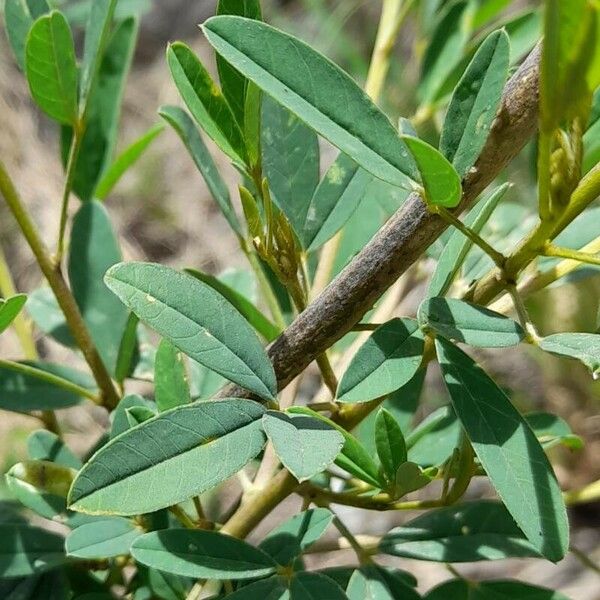
Plant Overview
Often called the Maypure Rattlebox, this vibrant member of the pea family is a sun-loving explorer native to Central and South America. It is best known for its whimsical seed pods that turn into tiny natural instruments once they dry out and the seeds break loose inside. While it looks like a friendly garden ornamental, it carries the hardy spirit of a wildflower that can thrive in poor soils where other plants might struggle.
🔍 How to Identify
- 🌼 Sunny Blooms: It produces classic "pea-shaped" flowers in a brilliant, buttery yellow, often arranged in elegant, upright clusters called racemes.
- 🍃 Leaf Structure: Features trifoliate leaves (groups of three leaflets) that are typically elliptical and have a smooth, matte green finish.
- 🎈 Inflated Pods: Its most iconic feature is the cylindrical, puffy seed pod that transitions from a soft green to a papery tan as it matures.
🏡 In Your Garden
- 🌱 Nitrogen Powerhouse: As a legume, this plant has a symbiotic relationship with soil bacteria to "fix" nitrogen. This means it actually improves the soil quality around it, making it a great neighbor for nutrient-hungry plants.
- ☀️ Drainage is Key: While it is incredibly drought-tolerant once established, it hates "wet feet." It prefers sandy or well-draining soil and will thrive in the brightest spot in your garden.
- 🦋 Pollinator Magnet: The bright yellow Keel-shaped flowers are specifically designed to be opened by heavy-bodied bees, making it a bustling hub for local pollinators.
⚠️ Safety & Toxicity
- 🚫 Toxic Ingestion: Warning: Most species in the Crotalaria genus contain pyrrolizidine alkaloids. These are potent toxins that can cause cumulative and permanent liver damage if ingested.
- 🐾 Risk to Animals: This plant is particularly dangerous to horses, cattle, and curious pets. Because the toxins are stable even when the plant is dry, it should never be allowed to mix into hay or grazing areas.
✨ Fun Fact
The genus name Crotalaria comes from the Greek word krotalon, which means "castanet" or "rattle." This is the same linguistic root used for the Rattlesnake (Crotalus), both named for the distinct clicking sound their "rattles" make!

Detailed Care Instructions







