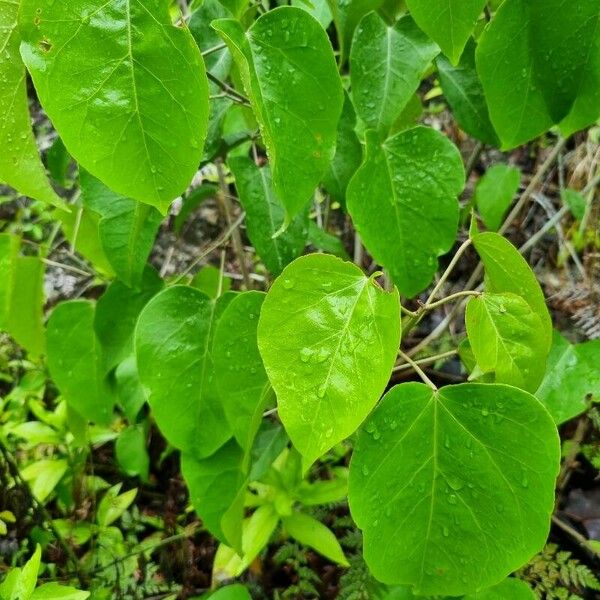
Plant Overview
Known as a "pioneer of the forest," Croton arboreus is a resilient, tree-like member of the diverse Euphorbiaceae family. Unlike its colorful, variegated cousins found in living rooms, this species takes a more majestic form, often appearing in the wild across Mexico and Central America. Its name, "arboreus," literally means "tree-like," reflecting its ability to tower over smaller shrubs while providing essential shade and soil stability.
🔍 How to Identify
- 🍃 Large, Heart-Shaped Leaves: The foliage is typically broad and ovate, often with a slightly fuzzy or "tomentose" texture on the underside that gives it a subtle silvery-green shimmer in the wind.
- 🌳 Upright Canopy: It maintains a sturdy, woody trunk with grayish-brown bark, growing significantly taller than the common ornamental croton shrubs.
- 💧 Milky Latex: If a leaf or stem is broken, the plant secretes a translucent to milky sap (latex), which is a signature trait of its family.
🏡 In Your Garden
- ☀️ Light & Resilience: This tree thrives in bright, direct sunlight. In a garden setting, it is often used as a "nurse plant" because its fast growth provides quick shade for more delicate species underneath.
- 🌱 Soil & Drainage: It is not picky about soil but absolutely demands good drainage. Its deep root system makes it relatively drought-tolerant once established, meaning it prefers a "soak and dry" approach rather than constant moisture.
⚠️ Safety & Toxicity
- 🚫 Toxic Sap: Like many members of the spurge family, the sap contains compounds that can cause skin irritation or "contact dermatitis" in sensitive individuals.
- 🐾 Pet Warning: This plant is considered toxic if ingested. Keep it away from curious pets or livestock, as the chemical compounds can cause digestive distress or oral irritation.
✨ Fun Fact
The bark of many Croton species, including relatives of C. arboreus, has been used in traditional medicine for centuries under the name "Copalchí." It was historically sought after as a bitter tonic to treat fevers and digestive issues, though modern science warns against DIY consumption due to the plant's potent chemical makeup!

Detailed Care Instructions








