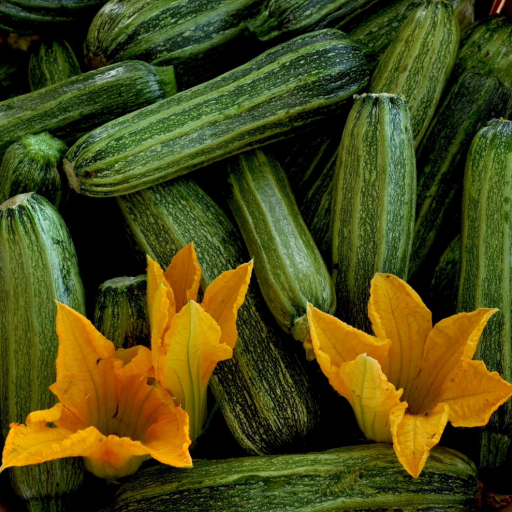
Plant Overview
Whether you call it a Pumpkin, Zucchini, or Acorn Squash, Cucurbita pepo is the ultimate shapeshifter of the vegetable garden. Native to North America and Mexico, this species has been cultivated for over 10,000 years, making it one of the oldest known domesticated plants. From the giant orange globes of Halloween to the sleek green summer squashes, this plant is a cornerstone of both autumn folklore and summer kitchens.
🔍 How to Identify
- 🍃 Rough Foliage: The leaves are large, heart-shaped or lobed, and feel distinctly sandpapery or prickly to the touch due to tiny, stiff hairs.
- 🌼 Golden Trumpets: It produces massive, bright yellow-to-orange bell-shaped flowers. You can tell the girls from the boys by looking at the base; female flowers have a tiny "baby squash" (ovary) behind the petals.
- 🌱 Angular Stems: Unlike the smooth stems of some vines, C. pepo stems are usually five-sided, thick, and covered in small "teeth" that can catch on your skin.
🏡 In Your Garden
- 🐝 The Pollination Dance: These plants rely heavily on bees to move pollen from male to female flowers. If your tiny squashes are shriveling up and falling off, it’s usually because the local bees haven't finished the job, and you may need to try "hand-pollinating" with a paintbrush.
- 🍽️ Hungry Giants: Known as "heavy feeders," these plants have a voracious appetite for nutrients. They prefer "old" soil enriched with plenty of compost or well-rotted manure to support their rapid growth and heavy fruit.
- 🪴 Sensitive Roots: Squash plants have a "look but don't touch" policy regarding their roots. They hate being transplanted, so it is best to sow seeds directly into the warm garden soil or use peat pots that can be planted whole.
⚠️ Safety & Toxicity
- ✅ Safe & Edible: The flesh, seeds, and even the flowers are safe for humans and pets. In fact, roasted pumpkin seeds are a nutritional powerhouse!
- 🌵 Prickly Defense: The stems and leaves are covered in "trichomes" (stiff hairs) that can cause mild skin redness or itching for gardeners with sensitive skin. Wearing gloves while harvesting is a smart move.
- 🧪 The Bitter Warning: Very rarely, a squash may taste extremely bitter. This is due to high levels of cucurbitacins. If it tastes sharp or medicinal, do not eat it, as it can cause "Toxic Squash Syndrome" (upset stomach).
✨ Fun Fact
Native Americans traditionally grew Cucurbita pepo as part of the "Three Sisters" trio. The squash acted as a living mulch, its massive leaves shading the soil to keep it cool and moist, while the corn provided a trellis for beans to climb!

Detailed Care Instructions
| Color | Orange |
| Soil Ph | 6.0-6.8 |
| Humidity | Normal |
| Lighting | Part Sun |
| Toxicity | Non-Toxic |
| Soil Type | Rich, Moist, Loamy |
| Bloom Time | Summer |
| Difficulty | Medium |
| Plant Type | Annual |
| Mature Size | 9-18 Feet Tall |
| Native Area | North America |
| Temperature | 10°C - 24°C |
| Sun Exposure | Full Sun |
| Hardiness Zones | 2-11 |
To grow Cucurbita pepo, also known as pumpkins, zucchini, or summer squash, follow these steps:
- Choose a suitable location: Cucurbita pepo plants require full sun exposure, so select an area in your garden that receives at least 6-8 hours of direct sunlight per day. Ensure the soil is well-draining and rich in organic matter.
- Prepare the soil: Before planting, prepare the soil by loosening it with a garden fork or tiller. Remove any rocks, weeds, or debris. Incorporate compost or well-rotted manure to improve soil fertility and drainage.
- Plant the seeds: Sow the seeds directly into the soil in late spring or early summer when the soil temperature reaches 70°F (21°C) or above. Create small mounds or hills about 1-2 feet apart to improve drainage and warm the soil faster. Plant 2-3 seeds per mound at a depth of about 1 inch.
- Watering: Keep the soil consistently moist during the germination period, which takes about 7-10 days. Once the plants are established, water deeply but infrequently, providing about 1-2 inches per week. Avoid over-watering as it can lead to root rot.
- Fertilization: Pumpkins and squash are heavy feeders, so regular fertilization is crucial for their optimal growth. Apply a balanced, slow-release fertilizer according to the manufacturer's instructions every 4-6 weeks throughout the growing season.
- Weed control: Regularly weed the area around the plants to prevent competition for nutrients and water.
- Pollination: Cucurbita pepo plants require insect pollination to produce fruits. To attract pollinators, such as bees and butterflies, plant flowers like marigold or lavender nearby. You can also transfer pollen manually from the male to the female flowers using a small brush or cotton swab.
- Pest and disease management: Protect your plants from common pests like squash bugs, cucumber beetles, and powdery mildew by using organic pest control methods or applying appropriate insecticides and fungicides, if necessary.
- Harvesting: Pumpkins can be harvested when they have reached their full size and have developed a hard skin. Zucchini and summer squash should be harvested when they are young and tender. Regularly check the plants and harvest the fruits to encourage more production.
By following these guidelines, you should be able to successfully grow Cucurbita pepo plants in your garden.

Place in a window with dappled sun or a spot in the middle of a room. Or directly in a window facing west or east.

To properly water this plant, it is important to ensure that the soil is moist but not waterlogged. You can achieve this by watering deeply once or twice a week, depending on the weather conditions. It is important to water at the base of the plant, avoiding the leaves and stem to prevent fungal diseases. You can use a watering can or a hose with a gentle spray nozzle to avoid disturbing the soil or the roots. Additionally, mulching around the base of the plant can help retain moisture in the soil and reduce evaporation. It is important to monitor the plant and adjust your watering schedule based on its needs.
To fertilize this plant, use a balanced fertilizer with equal amounts of nitrogen, phosphorus, and potassium. Apply the fertilizer evenly around the base of the plant, making sure not to get any on the leaves or stems. Water the plant immediately after fertilizing to help distribute the nutrients into the soil. Repeat this process every 4-6 weeks throughout the growing season. Avoid over-fertilizing as it can lead to weak and spindly growth or even burn the plant's roots.
The ideal soil for Cucurbita Pepo plant should be rich, well-draining, and nutrient-dense. It should have a pH level between 6.0 and 6.8, which is slightly acidic. The soil should contain organic matter such as compost or well-rotted manure, which will provide necessary nutrients to the plant. The texture of the soil should be loose and airy, allowing for good circulation of air and water. The soil must be able to hold moisture without becoming waterlogged. Sandy loam soil with good drainage and good aeration is recommended for optimal growth of Cucurbita Pepo plant. It should be noted that the soil should be free from weeds, diseases and pests that may affect the growth of the plant.
Propagation of this plant can be done through the use of seeds. The seeds should be harvested from a mature fruit and allowed to dry out for a few days. The drying process will help to prevent any fungal growth that can occur during storage.
Once the seeds have been dried, they can be stored in a cool, dry place until it is time to sow them. When planting, it is important to ensure that the soil is well-drained and has a pH of around 6.0 to 6.5. The seeds should be sown at a depth of approximately 1 inch and watered well.
As the plant grows, it is important to provide it with plenty of water and nutrients. Fertilizer can be added to the soil periodically to ensure that the plant receives all the nutrients it needs. In addition, it is also important to ensure that the plant is well-supported as it grows, as it can become quite heavy.
Propagation can also be done through cloning. This involves taking a small cutting from the plant and rooting it in soil. To do this, select a healthy stem with several leaves and make a clean cut just below a node. Remove any leaves from the bottom of the stem and dip it in rooting hormone. Plant the stem in a pot filled with soil, keeping it moist until it roots and begins to grow.
Common pests of the bitter bottle gourd include Spider mites, thrips, whiteflies. Make a habit of checking your bitter bottle gourd frequently for pests so that any infestations can be caught and managed early.








