Plant Overview
Often called the "Siskiyou Cypress," this tree is a resilient survivor of the American West. Growing where other conifers might fail—on volcanic rock and nutrient-poor soils—it stands as a silvery, sentinel-like beauty. It is a true "fire-follower," holding its seeds captive in hardened cones until the heat of a forest fire releases them to restart the forest.
🔍 How to Identify
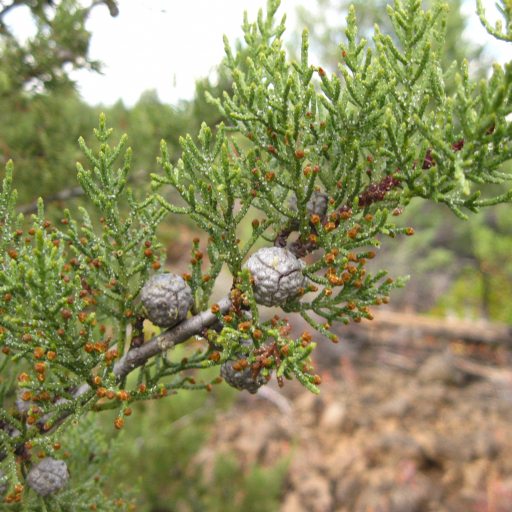
- 🌿 Silvery Foliage: The leaves are tiny, scale-like, and carry a distinctive glaucous (bluish-gray) to light green hue, often looking dusted with frost.
- 🪵 Reddish Bark: The trunk features thin, smooth bark that peels in attractive strips, revealing a rich reddish-brown or cherry-colored wood underneath.
- 🔘 Small Cones: Look for small, woody, globe-shaped cones (about half an inch wide) that are often clustered and sealed tightly against the branches.
🏡 In Your Garden
- ⛰️ The Rocky Specialist: Unlike many garden-variety evergreens, Baker’s Cypress thrives in poor, rocky, or "serpentine" soils. It is the perfect choice for xeriscaping or rock gardens where other trees might struggle with low nutrients.
- 💨 Hardy & Wind-Resistant: Because it naturally evolves on high-altitude ridges, it is exceptionally cold-hardy and makes an excellent, slow-growing windbreak for mountain or desert-fringe landscapes. It hates "wet feet," so ensure your soil drains rapidly.
⚠️ Safety & Toxicity
- 🐾 Pet Safety: This cypress is generally considered non-toxic to dogs, cats, and horses. However, the stiff, scale-like needles can cause minor mouth irritation or stomach upset if chewed in large quantities.
- 👐 Resin Sensitivity: The sticky resins found in the cones and bark may cause minor contact dermatitis (a skin rash) in sensitive individuals. It is always a good idea to wear gloves when pruning.
✨ Fun Fact
🔥 The Fire Key: Baker’s Cypress is "serotinous," meaning its cones are glued shut with a specialized resin. They can stay closed on the tree for decades, only opening to release their seeds after the intense heat of a wildfire clears the surrounding competition!

Detailed Care Instructions
| Humidity | Normal |
| Lighting | Full Sun |
| Difficulty | Medium |
| Hibernation | Cold Period |
| Hardiness Zones | Max 6 |
To successfully grow Cupressus bakeri (Baker's cypress), follow these steps:
- Choose a suitable location: Select a spot that receives full sunlight for at least six hours a day. Ensure that the soil is well-draining as Cupressus bakeri prefers dry to slightly moist conditions.
- Soil preparation: Before planting, work the soil in the chosen area to a depth of about 12 inches. Remove any weeds, rocks, or debris and amend the soil if necessary with organic matter like compost or well-rotted manure to improve drainage and fertility.
- Planting: Dig a hole that is slightly wider and deeper than the plant's root ball. Gently remove the Cupressus bakeri plant from its container and place it in the hole. Fill the hole with soil, gently firming it around the root ball to remove any air pockets. Make sure not to plant the tree too deep, as this can cause rotting.
- Watering: Water the newly planted Cupressus bakeri thoroughly after planting. Water deeply and regularly, ensuring that the root zone remains moist but not waterlogged. Allow the soil to dry out slightly between watering to prevent overwatering.
- Mulching: Apply a layer of organic mulch, such as wood chips or bark, around the base of the tree to help retain moisture, suppress weed growth, and regulate soil temperature. Keep the mulch a few inches away from the trunk to prevent rot.
- Pruning: Cupressus bakeri generally requires minimal pruning. However, once the plant has established itself, you can trim any dead, damaged, or overgrown branches to maintain its shape and appearance.
- Fertilizing: Cupressus bakeri generally doesn't require regular fertilization. However, you can apply a slow-release, balanced fertilizer in early spring to encourage healthy growth if desired. Always follow the manufacturer's instructions for application rates and methods.
- Pest and disease control: Cupressus bakeri is generally resistant to most pests and diseases. However, monitor the plant for any signs of insect infestations or disease, such as discoloration, unusual growth, or leaf damage. Treat any issues promptly using appropriate organic or chemical treatments.
- Winter care: Cupressus bakeri is hardy in USDA hardiness zones 4 to 8. However, if you're in an area with harsh winters, provide protection from drying winds and extreme cold temperatures by wrapping the plant in burlap or applying a layer of mulch around the base.
By following these guidelines for planting, watering, and maintenance, you can successfully grow Cupressus bakeri plant.
The best way to water this plant is to ensure that the soil around the roots stays consistently moist, but not waterlogged. This can be achieved by regularly checking the moisture level of the soil and watering when it feels slightly dry to the touch. It is important not to let the soil completely dry out, as this can cause stress to the plant and make it more susceptible to disease and pests. When watering, it is best to apply the water slowly and evenly around the base of the plant, being careful not to splash water onto the foliage. It is also important to avoid getting the foliage wet, as this can lead to fungal growth and other issues. In general, it is better to water deeply and less frequently, rather than giving the plant frequent, shallow waterings.
Here are some fertilizing instructions for Cupressus Bakeri plants:
- Choose a fertilizer that has a balanced ratio of nitrogen, phosphorus, and potassium, such as 10-10-10 or 20-20-20.
- Apply the fertilizer in early spring, just before new growth begins.
- Follow the instructions on the fertilizer package for the recommended amount to use per plant.
- Spread the fertilizer evenly around the base of the plant, taking care not to let it touch the trunk.
- Water the plant thoroughly after fertilizing to help the nutrients penetrate the soil.
- Avoid fertilizing in late fall or winter, as this can promote new growth that is vulnerable to frost damage.
The recommended soil for the Cupressus Bakeri plant should have good drainage and be on the slightly acidic side. It should be a well-draining, sandy loam with a pH level between 5.5 and 7.0. It should be rich in organic matter and nutrients, and should be able to hold moisture without becoming waterlogged. A soil mix of equal parts of sand, loam and peat moss with added perlite or vermiculite is ideal. The plant prefers slightly alkaline to slightly acidic soils. It should also be kept moist, but not wet, to prevent waterlogging. A layer of mulch on top of the soil can help conserve moisture and keep the roots cool.
To propagate this plant, you will need to take cuttings from the parent plant. Select a healthy branch that is at least 4-6 inches long and has several downward-facing needles. Cut the branch with a sharp, clean pair of pruning shears. Remove any needles from the bottom inch of the cutting. Dip the cut end into rooting hormone powder. Plant the cutting in a well-draining soil mix, making sure that the bottom of the cutting is buried at least an inch deep. Water the cutting and keep it moist, but not waterlogged. Place the pot in a warm, bright spot that receives indirect sunlight. The cutting should root within 6-8 weeks. Once rooted, you can transplant the new plant into its permanent growing location.








