Plant Overview
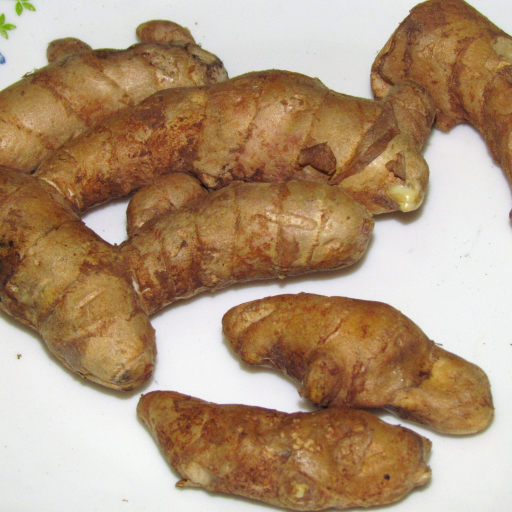
Known as Mango Ginger, this botanical chameleon is a fascinating member of the ginger family (Zingiberaceae). Despite its name and its physical resemblance to common ginger, it tastes and smells remarkably like raw green mango. In South Asian cultures, it is a culinary and medicinal staple, often used to make vibrant pickles and chutneys that capture the essence of summer all year round.
🔍 How to Identify
- 🍃 The Foliage: It features large, broad, lance-shaped leaves that can grow up to two feet long. They are a deep, vibrant green and look very similar to the foliage of the Turmeric plant.
- 🫚 The Rhizome: Under the soil, the "root" or rhizome has a pale, buff-colored skin. When sliced open, the flesh is a pale, creamy yellow—lighter than turmeric but darker than common ginger.
- 🌸 The Bloom: It produces a striking, cone-like flower spike. The flowers are typically white or pale yellow, often topped with beautiful pink or violet-tipped bracts that make it look like a tropical ornament.
🏡 In Your Garden
- 🌱 Rhizome Expansion: Because it grows via underground rhizomes, it needs plenty of horizontal space. If planting in a container, choose a wide, shallow pot rather than a deep, narrow one to allow the "ginger" to spread.
- 💧 The Drainage Secret: While it loves tropical humidity and regular watering, it is highly susceptible to "wet feet." Ensure your soil is rich in organic matter but sandy enough to drain quickly, or the rhizomes may rot during the dormant season.
- ☀️ Light Nuance: In its native forest habitat, it thrives in dappled sunlight. In your garden, it prefers bright, indirect light; harsh afternoon sun can scorch the tips of those beautiful broad leaves.
⚠️ Safety & Toxicity
- ✅ Human Status: Safe and widely used as a culinary spice and in Ayurvedic medicine.
- 🐾 Pets & Kids: It is generally considered non-toxic to cats, dogs, and horses. However, like most aromatic rhizomes, if a pet consumes a large quantity, it may cause mild stomach upset or drooling.
- 🧴 Skin Sensitivity: The essential oils are potent. While used topically in some cultures for skin conditions, sensitive individuals should patch-test first to avoid mild irritation.
✨ Fun Fact
The uncanny mango scent of Curcuma amada isn't just a coincidence—it’s chemistry! The plant contains specific aromatic compounds (like car-3-ene) that are also found in real mangoes, allowing it to "mimic" the fruit's fragrance perfectly without being related to the mango tree at all.

Detailed Care Instructions
To grow Curcuma Amada, also known as Mango Ginger or Amba Haldi, follow these steps:
- Climate: Curcuma Amada thrives in tropical and subtropical climates, where temperatures range between 70-95°F (21-35°C). It prefers high humidity but can adapt to moderate humidity levels.
- Soil: Use well-draining soil with a pH range of 5.5-7.5. A mix of garden soil, sand, and organic compost works well.
- Planting: Choose rhizomes from a reputable source. Plant them in spring, 2-3 inches deep in the soil, with the bud pointing upwards. Space each rhizome around 8-12 inches apart.
- Sunlight: Curcuma Amada needs partial shade to full sun exposure. Place the plant in an area that receives morning sun and afternoon shade.
- Watering: Keep the soil moist but not waterlogged. Water the plant regularly, especially during the growing season. Reduce watering during the dormant period.
- Fertilizer: Apply a balanced, slow-release fertilizer during the growing season. Alternatively, you can use organic fertilizers such as compost or well-rotted manure.
- Mulching: Apply a layer of mulch around the plant to conserve moisture and suppress weed growth.
- Pests and diseases: Curcuma Amada is generally resistant to pests and diseases. However, watch out for snails, slugs, aphids, and spider mites. Treat infestations promptly with appropriate insecticides or organic pest control methods.
- Harvesting: Harvest the rhizomes after 8-10 months when they have matured. Carefully dig out the rhizomes without damaging them. Leave some rhizomes in the ground for regrowth.
- Storage: Clean the harvested rhizomes, dry them in a shaded area, and store them in a cool, dry place for future use.
Remember to check your local regulations regarding the cultivation of Curcuma Amada, as it may be considered an invasive species in some regions.
Curcuma Amada, a tropical perennial plant, requires proper watering to thrive. Here's a detailed guide on how to water this plant effectively:
- Watering Schedule: The frequency of watering Curcuma Amada depends on various factors such as climate, season, and soil moisture retention. During the growing season (spring and summer), water the plant regularly to keep the soil consistently moist. In contrast, reduce watering during the dormant period (fall and winter) to prevent waterlogging.
- Soil Moisture: Check the moisture level in the soil before watering. Insert your finger about 1-2 inches into the soil. If it feels dry, it's time to water the plant. If it feels slightly moist, wait for a few more days before watering.
- Thorough Watering: When watering Curcuma Amada, make sure to thoroughly soak the soil until water drains out from the bottom. This helps to reach the plant's deeper roots, ensuring proper hydration. Avoid shallow watering, as it promotes shallow root growth.
- Watering Technique: Water the plant at the base, around the root zone, rather than overhead to avoid wetting the foliage excessively. Wet foliage may lead to fungal diseases and damage the leaves. Use a watering can or a gentle spray nozzle to water the soil evenly.
- Drainage: Curcuma Amada prefers well-draining soil to prevent waterlogging, which can cause root rot. Ensure that the pot or planting area has proper drainage holes, allowing excess water to escape. This helps maintain the right moisture balance for the plant.
- Monitoring Weather Conditions: In hot and dry climates, Curcuma Amada may require more frequent watering, while in cooler and humid areas, less watering may be necessary. Monitor the weather and adjust your watering schedule accordingly.
- Mulching: Applying a layer of organic mulch around the base of the plant helps retain moisture in the soil, reducing water evaporation and maintaining a more stable soil moisture level. Mulch also helps to control weed growth and improve soil fertility.
Remember, it's crucial not to overwater Curcuma Amada, as excessive moisture can lead to root rot and other water-related issues. By following these watering guidelines, you can provide optimal care to your Curcuma Amada plant.
To fertilize the Curcuma Amada plant, you will need a balanced and water-soluble fertilizer that provides essential nutrients for healthy growth. Here are the instructions:
- Choose a fertilizer that contains equal or nearly equal proportions of nitrogen (N), phosphorus (P), and potassium (K). This balanced composition will help promote overall plant health, vigorous growth, and blooming.
- Dilute the fertilizer following the instructions on the packaging. Generally, a dilution ratio of 1 teaspoon of fertilizer per gallon of water is recommended, but make sure to check the specific instructions for your chosen fertilizer.
- Apply the diluted fertilizer to the plant's soil, avoiding direct contact with the leaves. Pour the solution evenly around the base of the plant, ensuring that the entire root zone is covered. Be cautious not to over-fertilize, as it can lead to nutrient burn or other problems.
- Repeat the fertilization process every 2-4 weeks during the growing season, which typically lasts from spring to early fall. This regular feeding will provide a continuous supply of nutrients to support the plant's growth and development.
- Monitor the plant closely after fertilization. If you notice any signs of over-fertilization, such as burnt or discolored leaves, reduce the frequency or strength of your fertilizer solution. On the other hand, if the plant shows signs of nutrient deficiency, such as yellowing leaves, you may need to increase the fertilizer application slightly.
- Water the plant thoroughly after fertilizing to help the nutrients penetrate the soil evenly and reach the roots effectively. Adequate watering also helps prevent fertilizer salts from accumulating in the soil, which can harm the plant.
These general fertilizing instructions should provide the required nutrients for the Curcuma Amada plant's growth and help ensure its overall health.
Curcuma Amada, a tropical plant native to Southeast Asia, belongs to the Zingiberaceae family. It is commonly cultivated for its rhizomes, which are used in various culinary and medicinal applications. When growing Curcuma Amada, it is important to choose the right type of soil to provide adequate moisture, drainage, and nutrients for the plant's optimal growth and development.
The ideal soil for Curcuma Amada is well-draining, loose, and rich in organic matter. A mixture of loam soil and organic compost or aged manure works well for this plant. Loam soil provides good drainage while retaining moisture, which is crucial for preventing waterlogging, root rot, and other water-related issues.
The addition of organic compost or aged manure helps enrich the soil with nutrients, essential for the healthy growth of Curcuma Amada. It improves the soil texture, increases its water-holding capacity, and promotes the availability of vital nutrients to the plant roots. This organic matter also encourages beneficial microbial activity in the soil, enhancing soil fertility and overall plant health.
While Curcuma Amada prefers well-draining soil, it also requires consistent moisture to thrive. Therefore, it is recommended to maintain a slightly moist soil environment. However, it is essential to avoid water stagnation, as it can lead to root rot and other fungal diseases.
To ensure the soil is suitable for Curcuma Amada, it is advisable to perform a soil test before planting. This test can determine the soil pH and nutrient levels, enabling adjustments if necessary. Curcuma Amada prefers a slightly acidic to neutral soil with a pH range of 5.5 to 7.0.
In summary, when selecting soil for growing Curcuma Amada, prioritize well-draining loam soil rich in organic matter. This will provide the plant with proper moisture, drainage, and nutrients for its growth and development.
Curcuma Amada, also known as Mango Ginger, is a perennial herbaceous plant that belongs to the ginger family. It is native to the Indian subcontinent and is known for its medicinal and culinary uses. Here's a step-by-step guide on how to propagate Curcuma Amada:
- Select a healthy and mature Curcuma Amada plant: Choose a plant that is at least two years old and free from any diseases or pests. Look for a plant that has vibrant green leaves and strong rhizomes.
- Prepare the growing medium: Curcuma Amada prefers well-draining soil. Mix equal parts of garden soil, compost, and perlite to create a suitable growing medium. Fill a pot or container with this mixture, leaving some space at the top for planting.
- Divide the rhizomes: Carefully dig around the base of the Curcuma Amada plant to expose the rhizomes. Gently separate the rhizomes into smaller sections. Ensure each section has at least two to three healthy buds or shoots.
- Plant the rhizomes: Place the separated rhizomes on the soil surface, spacing them at least 6 to 8 inches apart. Carefully cover them with a thin layer of soil, ensuring they are not buried too deeply. It's important to keep the rhizomes slightly exposed as they require some sunlight for growth.
- Provide optimal growing conditions: Place the potted Curcuma Amada plant in a location that receives partial shade. The plant thrives in warm and humid climates, with temperatures ranging between 70°F to 90°F (21°C to 32°C). Water the plant regularly to keep the soil moist but not waterlogged, as excessive moisture can lead to rotting.
- Maintain ideal humidity levels: Curcuma Amada prefers high humidity levels. You can create a humid environment by misting the leaves regularly or placing a tray of water near the plant. This will help prevent the leaves from drying out and ensure optimal growth.
- Provide support: As the Curcuma Amada plant grows, the shoots may require support to prevent them from bending or breaking. Install a small trellis or stake near the plant and gently tie the shoots to it using soft garden twine.
- Fertilize regularly: To promote healthy growth, apply a balanced organic fertilizer every two to three months during the growing season. Follow the manufacturer's instructions for dosage and application methods.
- Monitor for pests and diseases: Keep an eye out for common pests such as aphids, spider mites, and scale insects. Treat any infestations immediately using organic pest control methods. Curcuma Amada is generally resistant to diseases, but ensure good air circulation to prevent fungal infections.
- Harvest and propagate further: Once the Curcuma Amada plants have matured and grown for a few years, you can repeat the propagation process by dividing the rhizomes again. By carefully lifting the plant from the soil, separating the rhizomes, and replanting them, you can create new plants and continue the propagation cycle.
Remember, patience is key when propagating Curcuma Amada, as it may take several months for the new plants to establish themselves fully. With proper care and attention, you can successfully propagate Curcuma Amada and enjoy the beauty and benefits of this unique plant.








