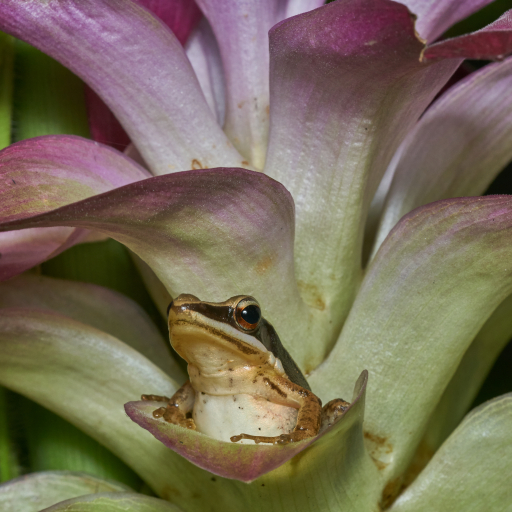
Plant Overview
Known widely as the "East Indian Arrowroot" or "Tikhur," Curcuma angustifolia is a stunning Himalayan native that is as functional as it is beautiful. While it is a close cousin to the common kitchen turmeric, this variety is prized for the nutritious, cooling starch found in its roots rather than its color. It spends part of the year hiding underground, only to emerge with elegant, lance-like leaves and "torches" of vibrant pink flowers that look like they belong in a tropical fairytale.
🔍 How to Identify
- 🌿 Narrow Foliage: Unlike the broad, paddle-like leaves of common turmeric, this species has slender, lance-shaped leaves that taper to a fine point.
- 🌸 Showy Bracts: It produces a spectacular floral spike topped with bright pink or purple "bracts" (modified leaves), which protect the tiny, true yellow flowers hiding inside.
- 🍠 Small Rhizomes: Underground, it develops small, globose tubers that are creamy white on the inside, lacking the intense orange pigment of its famous relative.
🏡 In Your Garden
- 💤 The Winter Sleep: This plant is a master of the "disappearing act." It goes completely dormant in the winter, meaning the foliage will die back entirely. Don't throw the pot away—it is simply resting and will return when the ground warms.
- 💧 Moisture Consistency: It thrives in "monsoon-like" conditions. This means it loves high humidity and soil that stays consistently moist but never soggy, as stagnant water can cause the precious rhizomes to rot.
⚠️ Safety & Toxicity
- 🟢 Safe for Humans: The rhizome is widely processed into a fine starch used in traditional Indian cooking and herbal medicine.
- 🐾 Pet Sensitivity: While not considered highly toxic, most ginger and turmeric species can cause mild stomach upset (vomiting or drooling) in cats and dogs if consumed in large quantities. It is best kept as an ornamental rather than a snack for pets.
✨ Fun Fact
The starch extracted from this plant is so fine and easy on the digestive system that it has been used for centuries in traditional Ayurveda as a "healing food" for infants and those recovering from long illnesses.

Detailed Care Instructions
To grow Curcuma Angustifolia plant, also known as Black Turmeric, follow these steps:
- Purchase healthy rhizomes: Obtain healthy rhizomes or tubers of Curcuma Angustifolia plant from a reputable nursery or online store. Make sure the rhizomes are plump, firm, and free from any signs of damage or disease.
- Prepare a suitable pot: Curcuma Angustifolia plants thrive in well-draining and slightly acidic soil. Choose a pot that is at least 8 inches deep and has drainage holes to ensure excess water can escape. Fill the pot with a well-draining potting mix, such as a mixture of garden soil, compost, and sand.
- Plant the rhizome: Place the rhizome horizontally on the soil surface and cover it with a thin layer of soil. Ensure that the buds or growing points are facing upwards. Do not bury the rhizome too deep as it needs to be close to the soil surface.
- Provide the right conditions: Curcuma Angustifolia plants prefer warm and humid environments. Place the pot in a location that receives partial sunlight, avoiding direct exposure to harsh midday sun. Maintain a temperature of around 70-80°F (21-27°C) and high humidity levels by misting the plant regularly or using a humidifier.
- Watering and fertilizing: Keep the soil evenly moist but not waterlogged. Water the plant whenever the top inch of soil feels dry. Do not let the plant sit in water. Fertilize with a balanced, water-soluble fertilizer or organic fertilizer once every two weeks during the growing season.
- Provide support: As the plant grows, it may require support to prevent it from falling over. Use stakes or bamboo supports to prop up the stems when necessary.
- Pruning: Regularly remove any dead or yellowing leaves to maintain the plant's health and appearance. Pruning also encourages fresh growth.
- Harvesting: Curcuma Angustifolia plants take about 8-9 months to mature. Harvest the rhizomes when the leaves start drying up and the foliage begins to die back. Carefully dig out the rhizomes, allow them to dry for a few days, and store them in a cool, dry place for future use.
Remember to research and understand any specific care requirements or challenges associated with growing Curcuma Angustifolia in your region, as they may vary.
Curcuma Angustifolia is a tropical plant that requires a particular watering routine to thrive. Here are some detailed guidelines on watering this plant:
- Observe the soil: Before watering, check the soil moisture by inserting your finger about 1-2 inches deep into the soil. If it feels dry, it's time to water the plant.
- Choose the right water temperature: It is best to use room temperature or lukewarm water for watering Curcuma Angustifolia. Cold water can shock the plant's roots and hinder its growth.
- Water amount: When watering, aim to moisten the soil thoroughly but avoid overwatering. Ensure that the water penetrates the root zone of the plant. The goal is to keep the soil consistently moist but not waterlogged.
- Watering frequency: The frequency at which you water Curcuma Angustifolia will depend on various factors like temperature, humidity, and season. Generally, during the growing season (spring and summer), water the plant regularly, keeping the soil evenly moist. In winter, when the plant goes into dormancy, reduce the frequency of watering, allowing the top inch or so of soil to dry out between waterings.
- Avoid stagnant water: Make sure the pot or container you are using has drainage holes to prevent water from accumulating at the bottom. Stagnant water can lead to root rot and other diseases.
- Watering technique: It is advisable to water the plant at the base rather than from above. Direct the water flow gently to the soil to prevent splashing the leaves or flowers, which can lead to fungal diseases.
- Humidity: Curcuma Angustifolia prefers high humidity levels. To maintain the required humidity, you can mist the leaves with water occasionally or place a tray filled with water near the plant to increase moisture in the air.
- Monitor the plant's response: Keep an eye on the plant's foliage. If leaves start turning yellow or wilting, it may indicate under or overwatering. Adjust the watering routine accordingly.
By following these detailed watering instructions, you can properly care for your Curcuma Angustifolia plant and promote its healthy growth.
- Choose a well-draining potting mix: For the Curcuma Angustifolia plant, select a potting mix that is rich in organic matter and drains well. This will prevent waterlogging and promote healthy root growth.
- Provide indirect sunlight: Place the plant in an area that receives bright, indirect sunlight. Direct sunlight can scorch the leaves, so it's advisable to provide filtered or partial sun.
- Water regularly but avoid overwatering: Keep the soil consistently moist but not waterlogged. Water the plant thoroughly, allowing excess water to drain out from the bottom of the pot. Avoid leaving the plant sitting in water as it can cause root rot.
- Apply a balanced fertilizer: Use a balanced, water-soluble fertilizer formulated for flowering plants. Dilute the fertilizer according to package instructions and apply it to the soil once every two weeks during the growing season (spring and summer).
- Feed during active growth: Fertilize the Curcuma Angustifolia plant more frequently during its active growth period, typically from spring to late summer. This will provide the necessary nutrients for healthy foliage and vibrant blooms.
- Reduce fertilizer frequency in winter: As the plant enters its dormant period in fall and winter, reduce the frequency of fertilization to once a month or stop feeding altogether. This will allow the plant to rest and prepare for new growth in the following season.
- Monitor for signs of nutrient deficiencies: Keep an eye out for yellowing leaves, stunted growth, or decreased flowering, as these may indicate a lack of essential nutrients. Adjust the fertilizer application accordingly, following package instructions or consulting a gardening expert.
Remember, these instructions are general guidelines. It's always a good idea to research specific requirements for your Curcuma Angustifolia plant and adjust care accordingly.
When cultivating Curcuma Angustifolia, it is essential to choose the right type of soil to ensure optimal growth and development. The recommended soil for this plant is well-drained and organically rich. It should have a loose texture that allows for adequate root aeration and moisture retention without becoming waterlogged.
The pH level of the soil should ideally be slightly acidic to neutral, ranging between 5.5 and 7.0. This range provides an optimal environment for the plant to uptake essential nutrients. Ensuring the correct pH levels helps prevent nutrient deficiencies and enables the healthy growth of Curcuma Angustifolia.
The soil should also be sufficiently fertile, as Curcuma Angustifolia is a nutrient-demanding plant. To enhance fertility, incorporating organic matter like compost, well-rotted manure, or leaf mold can be beneficial. These additions not only provide essential nutrients but also improve the soil structure, drainage, and water-holding capacity.
It is important to note that Curcuma Angustifolia prefers slightly moist soil but is sensitive to waterlogging. Ensuring proper drainage is crucial to prevent water accumulation around the roots, which can lead to root rot and other diseases. Adding perlite or coarse sand to the soil mix can help improve drainage.
Furthermore, providing a sufficient amount of mulch around the base of the plant can aid in moisture retention, regulate soil temperature, and prevent weed growth. This can be achieved by using organic materials such as straw, wood chips, or shredded leaves.
In summary, selecting a well-drained, organically rich soil with a slightly acidic to neutral pH is essential for the successful cultivation of Curcuma Angustifolia. By considering these soil requirements, you can provide an optimal growing environment for this plant and support its overall health and development.
To propagate Curcuma Angustifolia plant, follow these steps:
- Prepare the soil: Choose a well-draining potting mix rich in organic matter. The soil pH should be slightly acidic to neutral for optimal growth.
- Rhizome selection: Select healthy and disease-free rhizomes for propagation. Look for mature rhizomes that have visible buds or eyes.
- Cuttings: Using a clean and sharp knife, cut the rhizomes into sections, making sure each section has at least one bud or eye. The size of each section can vary depending on the desired number of new plants.
- Drying and healing: After cutting, allow the sections to dry for a day or two to promote healing and reduce the risk of rotting during planting.
- Planting: Fill pots or containers with the prepared potting mix. Bury the rhizome sections horizontally, with the buds or eyes facing upwards. Ensure that the sections are covered with about an inch of soil.
- Watering: Water the newly planted rhizome sections thoroughly, ensuring that the soil is evenly moist but not waterlogged. Avoid overwatering, as it can lead to rot.
- Location: Place the pots or containers in a warm and bright location, avoiding direct sunlight. The ideal temperature for Curcuma Angustifolia propagation is around 65-85°F (18-29°C).
- Maintenance: Keep the soil consistently moist but avoid water stagnation. Mist the leaves occasionally to provide humidity, but avoid excessive moisture on the leaves to prevent fungal diseases.
- Monitoring growth: Within a few weeks, new shoots should emerge from the buds or eyes of the rhizome sections. As the shoots grow, provide support by tying them to stakes to prevent breakage.
- Transplanting: Once the new plants have established a healthy root system and developed several leaves, they can be transplanted into larger containers or directly into the garden, ensuring proper spacing for future growth.
Remember, Curcuma Angustifolia plants thrive in warm and humid environments. Regularly monitor the plants for pests and diseases, and make sure to provide adequate water, light, and nutrient requirements for vigorous growth.








