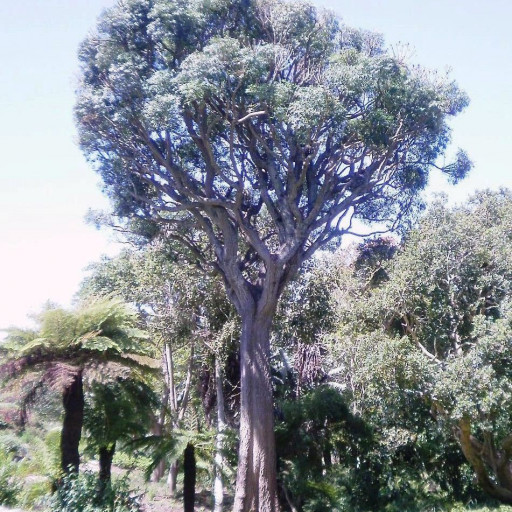
Plant Overview
Known as the Cabbage Tree or Kiepersol, Cussonia spicata is an architectural marvel native to the rocky slopes of South Africa. With its prehistoric appearance and "umbrella-topped" canopy, it looks like something straight out of a botanical fantasy novel. In its homeland, it is a symbol of resilience, standing tall as a structural centerpiece in many wild landscapes.
🔍 How to Identify
- 🌿 The Foliage: The leaves are deeply lobed and "doubly" compound, creating a complex, star-burst pattern. They have a distinct blue-green or grayish hue and a waxy texture.
- 🧱 The Bark: As the tree matures, the trunk develops a thick, deeply fissured, corky bark that feels spongy to the touch—a natural defense against wildfires.
- 🕯️ The Flowers: It produces small, greenish flowers clustered on thick, candle-like spikes (hence the name spicata), which eventually turn into purplish-black fleshy fruits.
🏡 In Your Garden
- 💧 The "Water Tank" Root: This plant develops a massive, succulent underground root system that stores water. This makes it incredibly drought-tolerant, but it also means it hates "wet feet" and requires exceptionally well-draining soil to prevent root rot.
- ☀️ Sun Seeker: While it can handle light shade when young, it craves full sun to develop its characteristic sturdy trunk. Be mindful when planting near walls or pipes; those thick, water-storing roots are powerful and can shift structures if planted too close.
⚠️ Safety & Toxicity
- 🐾 Pet & Child Safety: Cussonia spicata is generally considered non-toxic to humans and pets. However, the sap may cause mild skin irritation in sensitive individuals.
- 🦷 Historical Note: While the roots have been used in traditional medicine for various ailments, they should never be ingested without expert guidance, as high concentrations of certain compounds can be problematic.
✨ Fun Fact
The common name "Kiepersol" has a charming origin! It is believed to be derived from the Portuguese word quitasol, meaning "parasol" or "sunshade," referring to the tree's iconic umbrella-shaped canopy that offers a perfect spot to hide from the African sun.

Detailed Care Instructions
| Humidity | Normal |
| Lighting | Full Sun |
| Difficulty | Easy |
| Hardiness Zones | 9A - 11B |
To grow Cussonia spicata, also known as the cabbage tree or common cabbage tree, you can follow these steps:
- Climate and location: Cussonia spicata is native to southern Africa and requires a subtropical to temperate climate. It prefers full sun but can tolerate some shade. Choose a location with well-draining soil that is slightly acidic to neutral.
- Propagation: Cabbage tree can be propagated from seeds or cuttings. If using seeds, soak them in water for 24 hours before planting. Sow the seeds in a seed tray filled with a well-draining potting mix, and lightly cover them with soil. Keep the tray in a warm and bright location, and water regularly to keep the soil moist.
- Transplanting: Once the seedlings are around 4-6 inches tall, they can be transplanted into larger pots or directly into the ground. Prepare the planting hole by loosening the soil and adding organic matter. Carefully remove the seedling from the tray, ensuring you don't damage the roots, and place it in the hole. Backfill with soil, firm it gently around the base, and water thoroughly.
- Watering: Cabbage tree prefers regular watering to keep the soil consistently moist but not waterlogged. During dry periods, water deeply to promote root growth. However, avoid overwatering, as it can cause root rot.
- Fertilizer: Apply a balanced slow-release fertilizer in early spring to provide the necessary nutrients. Follow the instructions on the fertilizer package for the correct dosage. Additionally, you can use a liquid fertilizer monthly during the growing season for optimal growth.
- Pruning: Cussonia spicata naturally develops a single trunk and a canopy of leaves at the top. If desired, you can prune the lower branches to create a more desired form or shape. Prune in late winter or early spring before new growth begins.
- Protection from cold: Cabbage tree can tolerate light frosts but may suffer damage in severe cold conditions. If you live in an area with harsh winters, consider protecting the plant by wrapping it in burlap or providing a temporary shelter.
Remember that Cussonia spicata is a slow-growing tree, so it may take several years before it reaches its full height of up to 20 feet. Be patient and provide the necessary care to ensure its healthy growth.

Place in a dark room with little light, like a dark bedroom or a spot far away from a window or directly in a north-facing window.

To water this plant, it is important to first understand its watering needs. The plant prefers to be watered deeply and infrequently, allowing the soil to dry out between waterings. It is important to use well-draining soil to prevent waterlogging and root rot.
To water the plant, fill a watering can or bucket with room temperature water. Slowly pour the water onto the soil, avoiding getting water on the leaves or stem. Water until the soil is thoroughly moistened, but not saturated.
During the summer months, the plant may need to be watered more frequently due to increased evaporation. It is important to monitor the soil and adjust watering as needed to prevent both underwatering and overwatering.
Additionally, it is important to adjust watering based on the plant's location. Plants in full sun may require more frequent watering, while plants in low light areas may need less.
To fertilize this plant, use a slow-release 10-10-10 fertilizer in the spring. Apply the fertilizer around the base of the plant and water thoroughly afterwards. Avoid over-fertilization as this can lead to burning of the roots. During the growing season, you can also use a liquid fertilizer once a month to promote healthy growth. However, it is important to follow the manufacturer's instructions and not to exceed the recommended dosage. Always water the plant thoroughly after fertilizing.
When planting Cussonia Spicata, it is important to use well-draining soil that is rich in organic matter. The soil should have a pH between 5.5 and 7.5 and be able to retain moisture without becoming waterlogged. A combination of sandy loam and compost is ideal for this plant, as it provides good drainage while also ensuring nutrients are available for uptake. It is important to avoid using soil that is compacted, clay-like, or has poor drainage, as this can lead to root rot and other issues. Additionally, regular fertilization with a balanced, slow-release fertilizer can help promote healthy growth and prevent nutrient deficiencies.
Propagation of this plant can be done through seed germination or cuttings. To propagate using seeds, collect mature seeds and soak them in water for 24 hours before planting them in well-draining soil. Keep the soil moist and warm until the seeds germinate.
To propagate using cuttings, take a stem cutting from a healthy plant and remove any leaves from the bottom part of the stem. Dip the bottom of the stem in rooting hormone and plant it in well-draining soil. Keep the soil moist and in a warm, sunny location until the cutting roots.
Both propagation methods require patience and proper care to ensure successful growth.
Common pests of the cabbage tree include Scale insect, mealybugs, spider mites, aphids. Make a habit of checking your cabbage tree frequently for pests so that any infestations can be caught and managed early.








