Plant Overview
Often referred to as a "Living Fossil," Cyathea poeppigii is a majestic tree fern that looks like it stepped straight out of a Jurassic landscape. Hailing from the misty cloud forests of South America, this plant is named after the German botanist Eduard Friedrich Poeppig. It is cherished by collectors for its ability to transform a shaded corner into a prehistoric sanctuary with its towering, lacy canopy.
🔍 How to Identify
- 🌿 The Crown: Features expansive, arching fronds that can reach several feet in length, creating a delicate, parasol-like silhouette.
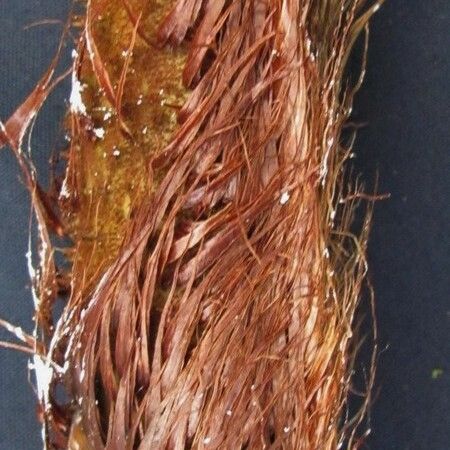
- 🪵 The Trunk: A slender "false trunk" formed by a dense mass of aerial roots and old leaf bases, often covered in dark, protective scales.
- 🧶 Petioles (Stems): The base of the fronds is typically adorned with distinctive bicolor scales that feel slightly papery or hairy to the touch.
🏡 In Your Garden
- ☁️ Humidity is King: Unlike typical houseplants, this tree fern "breathes" through its trunk. In a garden or indoor setting, it requires high humidity and frequent misting of the trunk itself to prevent the core from drying out.
- 💧 The "Drip" Factor: It prefers a spot where water doesn't stagnate at the roots, but the soil remains consistently moist. It hates "wet feet" but thrives in the rich, acidic leaf mold found on a forest floor.
- 🌳 Space to Breath: Because the fronds unfurl from the center in a dramatic "crosier" (fiddlehead) shape, it needs ample vertical and horizontal space to expand without hitting walls or other plants.
⚠️ Safety & Toxicity
- ✅ Non-Toxic: Cyathea poeppigii is generally considered non-toxic to cats, dogs, and humans if accidentally nibbled.
- 🌵 Mechanical Irritation: While not poisonous, the fine scales and hairs on the stems can be itchy or irritating to sensitive skin. It’s best to wear gloves when pruning or relocating the plant.
✨ Fun Fact
Tree ferns like Cyathea poeppigii don't have true wood. Their "trunks" are actually a vertical rhizome reinforced by a thick mat of roots; in the wild, this structure acts as a miniature ecosystem, often hosting mosses, orchids, and even small insects within its crevices!

Detailed Care Instructions
To water this plant, fill a watering can or container with room temperature water. Slowly pour the water onto the soil around the base of the plant, taking care not to get water on the leaves. Allow the water to soak into the soil until it reaches the roots. Do not over-water, as this can lead to root rot. Instead, wait for the top inch of soil to feel dry to the touch before watering again. It is also important to ensure that the pot or container has good drainage to prevent water from accumulating and causing damage to the plant.
The ideal soil for Cyathea Poeppigii is a well-draining, fertile soil that is rich in organic matter. The pH should be slightly acidic, between 5.5 and 6.5. This plant prefers a soil that retains moisture well, but is not waterlogged. It is recommended to use a mix of peat moss, perlite, and sand or vermiculite as a growing medium. Alternatively, a high-quality potting mix designed for ferns can be used. It is important to ensure that the soil is not compacted, as this can lead to poor drainage and root rot. In addition, this plant benefits from regular fertilization with a balanced fertilizer, diluted according to package instructions.








