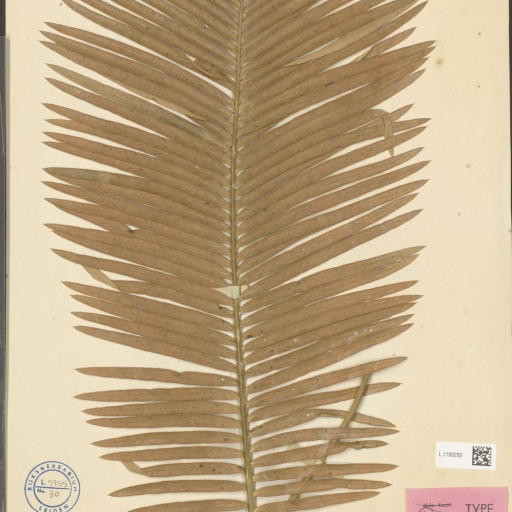
Plant Overview
Often called the Thai Cycad, this plant looks like a prehistoric relic plucked straight from a Jurassic landscape. Unlike its larger cousins, this species is prized for its miniature, palm-like appearance and its rugged, swollen base that resembles a weathered stone. It is a slow-growing masterpiece that brings a sense of ancient permanence to any rock garden or sun-drenched patio.
🔍 How to Identify
- 🐘 The Caudex: Look for a thick, bulbous trunk (caudex) that is often partially buried or sits just above the soil. It has a rough, corky texture and a distinctive greyish-brown color.
- 🌿 The Fronds: The leaves are stiff, arching, and grow in a tight rosette. They are generally shorter and more compact than the common Sago Palm, with a semi-glossy finish.
- 📐 Leaflet Shape: Each leaflet is narrow and tapers to a sharp point. When they first emerge (a process called "flushing"), they may have a soft, silvery-grey fuzz that disappears as they mature.
🏡 In Your Garden
- 🪨 Rocky Roots: In the wild, these plants cling to limestone cliffs and dry slopes. In your home, they require "sharp" drainage—meaning a soil mix with plenty of sand, perlite, or lava rock. They despise sitting in soggy soil, which quickly leads to root rot.
- ⏳ Patience Required: This is a "slow-motion" plant. It may only produce one new flush of leaves per year. Because it grows so slowly, it is an excellent candidate for bonsai-style containers where it can live for decades without outgrowing its space.
⚠️ Safety & Toxicity
- 🚫 Toxic Status: High Toxicity.
- 🐾 The Risks: All parts of the Cycas siamensis—especially the seeds—contain cycasin, which is highly toxic to dogs, cats, and humans if ingested. Ingestion can lead to severe liver failure.
- 🌵 Physical Safety: The tips of the leaves are very sharp and stiff. Place the plant away from high-traffic areas where children or pets might accidentally bump into the "spiky" foliage.
✨ Fun Fact
Cycads like Cycas siamensis are often called "living fossils." They have remained virtually unchanged for over 280 million years, meaning ancestors of this very plant were providing shade for the earliest dinosaurs long before flowers or modern trees even existed!

Detailed Care Instructions
To grow Cycas siamensis, also known as the Siamese Cycad, you can follow these steps:
- Seeds: Obtain seeds from a reputable source or purchase a plant from a nursery.
- Soil: Plant the cycad in a well-draining soil mix, preferably a mixture of equal parts potting soil, sand, and perlite. Ensure that the soil pH is slightly acidic to neutral.
- Container: Choose a container with drainage holes that will allow the plant to grow for a while. The pot should be large enough to accommodate the root system and provide stability to the plant as it develops.
- Planting: Place the seeds or plant in the container and cover with a thin layer of soil. Water softly to moisten the soil.
- Sunlight: Place the plant in a location where it can receive bright, indirect sunlight. Cycas siamensis prefers a warm environment and can tolerate full sun if acclimated gradually.
- Watering: Cycas siamensis requires regular watering, but it is important to avoid overwatering. Allow the top inch of soil to dry before watering again, adjusting the frequency based on the moisture retention of the soil.
- Fertilizer: Use a slow-release fertilizer formulated for cycads or a balanced general-purpose fertilizer (e.g., 10-10-10) during the growing season. Follow the manufacturer's instructions for application rates.
- Pruning: Remove any dead or yellowing leaves to maintain a tidy appearance. To prevent pests from hiding in the foliage, you can also trim the leaf tips.
- Winter care: If you live in a colder climate, bring your cycad indoors or provide protection from freezing temperatures. Place it in a cool area where it can be exposed to natural light during the dormant period.
- Pests and diseases: Check regularly for pests like scale insects or mealybugs. Apply an appropriate treatment if an infestation occurs. Avoid overwatering to prevent root rot.
With proper care and attention, your Cycas siamensis should grow and thrive. Keep an eye on its development and adjust maintenance practices as needed.
Cycas Siamensis is a tropical plant that requires consistent watering. It is best to water the plant deeply, allowing the water to fully penetrate the soil. However, it is important to ensure that the soil does not become waterlogged. One way to prevent this is to check the soil moisture level before watering. If the soil is already moist, then watering should be delayed. On the other hand, if the soil feels dry to the touch, then it is time to water. When watering, it is best to do it slowly, allowing the water to seep into the soil gradually. It is also important to avoid getting water on the leaves, as this can cause damage and lead to disease. Finally, it is important to maintain consistent watering throughout the year, as Cycas Siamensis is sensitive to changes in moisture levels.
- Choose a well-draining potting mix with high-quality nutrients.
- Fertilize the plant during the growing season, from spring to summer.
- Apply a balanced fertilizer with a ratio of 10-10-10 or 20-20-20 every 2-3 weeks.
- Use a liquid fertilizer mixed with water to avoid burning the plant roots.
- Reduce the fertilizer application in the fall and winter months.
- Avoid fertilizing newly transplanted or seedlings plants until they have established themselves in their new environment.
The ideal soil for the plant in question should be well-draining, with a slightly acidic pH level (around 6.0-6.5). It is best to avoid heavy soils, such as those high in clay, as they can lead to waterlogged conditions. Instead, a lighter mix that includes a combination of organic matter, sand, and loam is recommended. This allows for good air circulation and adequate water penetration, while also providing essential nutrients for healthy growth. Additionally, adding a layer of mulch around the base of the plant can help to retain moisture and regulate soil temperature, which may also contribute to improved overall health and growth.
To propagate this plant, start by sterilizing a sharp knife or pair of pruning shears. Cut off a sucker or offset from the main plant, making sure it has its own roots and a few healthy leaves.
Next, plant the sucker in well-draining soil, using a pot that is slightly larger than the plant's roots. Water the plant thoroughly and place it in a bright, but filtered light location, avoiding direct sunlight.
Keep the soil moist, but not waterlogged, and fertilize the plant every few months with a balanced fertilizer. Over time, the plant will grow and develop into a mature plant.








