Plant Overview
Known as the Australian Forest Cymbidium or the "Madidum Orchid," this plant is a true giant of the Australian bush. Unlike the delicate, colorful hybrids found in florist shops, this orchid is a rugged survivor, often seen growing in the hollows of ancient trees or clinging to rocky escarpments. It is beloved by collectors for its dramatic, arching foliage and its ability to produce massive, pendulous flower spikes that carry a soft, spicy fragrance.
🔍 How to Identify
- 🍐 The Pseudobulbs: Look for large, fleshy, pear-shaped structures at the base. These act as water reservoirs, allowing the plant to survive through dry spells in the canopy.
- 🍃 The Foliage: It features long, strap-like, leathery leaves that can grow over a meter in length. They gracefully arch downward, giving the plant a fountain-like appearance.
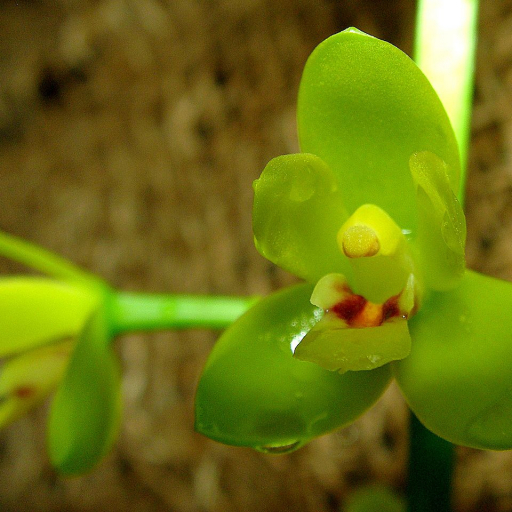
- 🌼 The Flowers: It produces long, hanging "racemes" (flower spikes) that can hold up to 70 small blossoms. The flowers are typically olive-green to brownish-yellow with a waxy texture and a distinct, shimmering sheen.
🏡 In Your Garden
- 🌳 The "Airy" Lifestyle: Because this is an epiphyte (a plant that grows on other plants), it will suffocate in standard potting soil. It thrives best in a very coarse orchid bark or even mounted directly onto a sturdy tree fork or a slab of cork.
- 💧 The "Wet Feet" Rule: While it loves humidity, it hates sitting in stagnant water. It prefers to be watered thoroughly and then allowed to dry out slightly, mimicking the way rain runs down a tree trunk in the rainforest.
- ☀️ Light Nuance: It craves bright, filtered light. If the leaves turn a very dark green, it’s not getting enough sun to bloom; if they turn yellow-white, it’s getting scorched. Aim for a "grassy green" leaf color.
⚠️ Safety & Toxicity
- ✅ Safe for All: Cymbidium madidum is generally considered non-toxic to humans, cats, and dogs. It is a popular choice for pet-friendly households.
- 🐜 Ant Magnet: Note that the flowers produce a sweet "extrafloral nectar" that can attract ants. This is a natural symbiotic relationship and does not mean the plant is being attacked by pests.
✨ Fun Fact
Indigenous Australians traditionally used the fleshy pseudobulbs of this orchid as a source of starch. They would also use the sticky juice from crushed bulbs as a natural adhesive or even as a traditional remedy to treat dysentery.

Detailed Care Instructions

Place in a window with dappled sun or a spot in the middle of a room. Or directly in a window facing west or east.

Some plants require more regular watering than others, which should be done every few days. It's critical to maintain the soil moist all of the time. The water requirements of the same plant placed in pots with varying sizes will differ. Because the water in the smaller pot evaporates faster than the water in the larger pot, it will require more watering. Regardless of pot size, the surface should constantly be maintained moist.








