Plant Overview
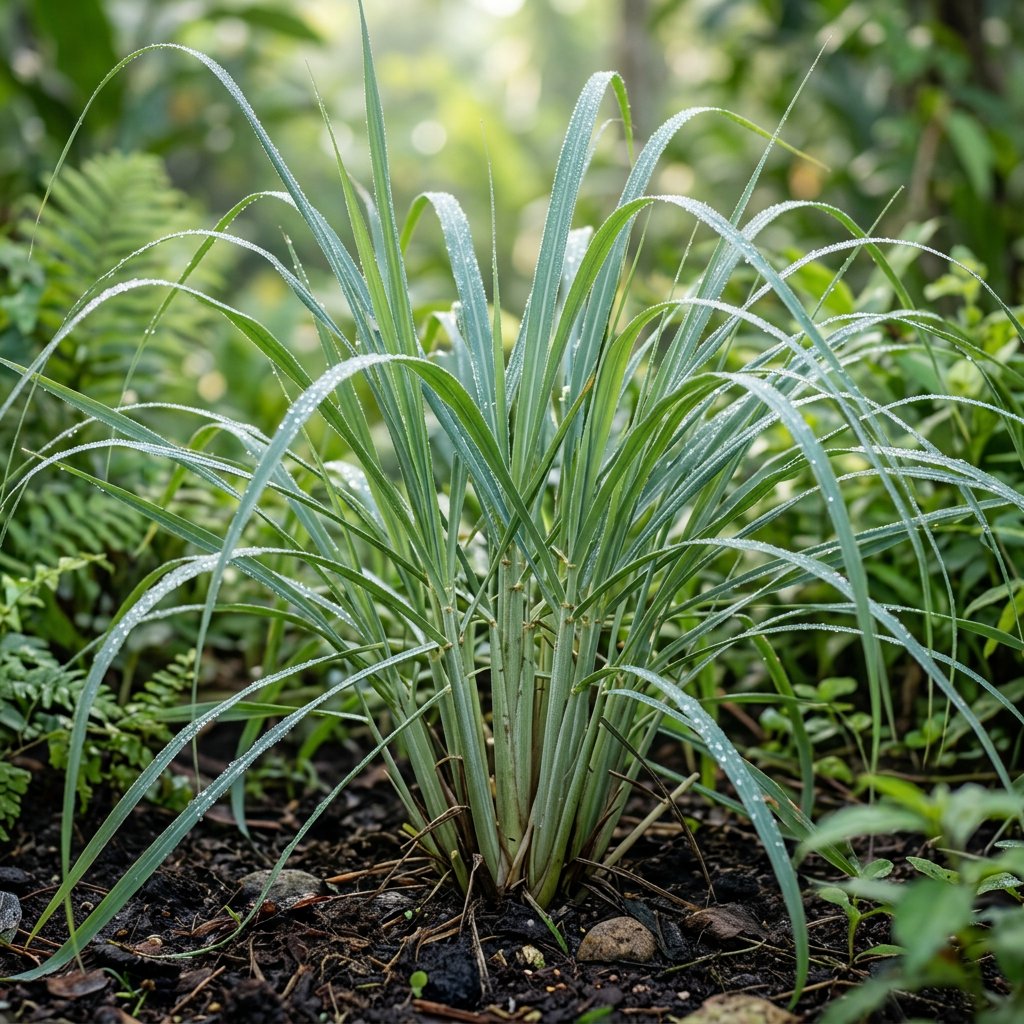
Known widely as Lemongrass or Fever Grass, Cymbopogon citratus is much more than just a culinary staple for Thai curries. This aromatic powerhouse has traveled from the tropical regions of Southeast Asia to sunny windowsills and backyard gardens worldwide, offering a zesty fragrance that reminds many of a fresh summer breeze. It is a favorite for both gourmet chefs and those seeking a natural, architectural screen for their patio.
🔍 How to Identify
- 🍃 Leaf Structure: Features long, slender, bluish-green blades that can reach up to 3 to 5 feet in height, arching gracefully outward as they grow.
- 🍋 The Aroma: When bruised or crushed, the leaves release a sharp, clean scent of lemon and ginger, thanks to a high concentration of citral oil.
- 🧅 The Base: The plant grows in dense, grassy clumps. The bottom of each stalk is thickened and bulbous, resembling a pale, woody scallion or a leek.
🏡 In Your Garden
- ☀️ Sun Worshiper: This plant thrives on intense light and heat. If you are growing it indoors, a south-facing window is non-negotiable, as it needs high light levels to produce its signature essential oils.
- 🚿 Thirsty but Drainage-Dependent: While Lemongrass loves consistent moisture, it despises "wet feet." Using a sandy, well-draining soil mix is crucial to prevent the bulbous roots from rotting during humid months.
- 🧤 Sharp Edges: Be careful when pruning or harvesting! The leaf margins have microscopic serrations that can cause "paper cuts" on bare skin. Wearing gloves is highly recommended during maintenance.
⚠️ Safety & Toxicity
- 🐾 Pet Warning: While delicious for humans, Lemongrass is considered toxic to cats, dogs, and horses. It contains essential oils and cyanogenic glycosides that can cause digestive upset if chewed on.
- 👶 Kid-Friendly (Mostly): It is safe for children to be around, but the sharp leaves can be a physical hazard for toddlers who might try to grab them.
- 🍵 Consumption: The inner white core is edible and wonderful for teas, but the outer green blades are too fibrous to eat and should be removed after steeping or cooking.
✨ Fun Fact
The citral oil found in this plant is the primary ingredient in many natural mosquito repellents. In some cultures, it is traditionally planted near doorways and windows specifically to keep both "bad spirits" and very real biting insects at bay!

Detailed Care Instructions
| Color | None |
| Soil Ph | Neutral; 6.8-7.2 |
| Humidity | Normal |
| Lighting | Full Sun |
| Soil Type | Rich And Loamy |
| Bloom Time | No Flowers |
| Difficulty | Medium |
| Plant Type | Ornamental Grass |
| Mature Size | Two To Four Feet |
| Native Area | Sri Lanka And India |
| Temperature | 15°C - 25°C |
| Sun Exposure | Full Sun |
| Hardiness Zones | 10 To 11 |
To grow Cymbopogon Citratus, commonly known as lemongrass, follow these steps:
- Obtaining lemongrass stalks: You will need the stalks of lemongrass to propagate the plant. You can purchase lemongrass stalks from a grocery store or get a cutting from someone who already has a lemongrass plant.
- Preparing the stalks: Trim the tops and bottoms of the lemongrass stalks, leaving about 4-6 inches in length. Remove any outer layers that seem dry or damaged.
- Watering the stalks: Fill a glass or jar with about an inch of water and place the trimmed stalks inside, with the cut side down. Ensure that the bottom part of the stalks is submerged in water.
- Rooting: Place the glass or jar with the stalks in a spot that gets bright, indirect sunlight. Change the water every couple of days to keep it fresh.
- Transplanting: After a couple of weeks, you should start seeing roots emerging from the bottom of the lemongrass stalks. Once the roots are at least 1-2 inches long, you can transplant the stalks into containers or directly into the ground.
- Choosing a planting location: Cymbopogon Citratus grows best in well-draining soil and requires at least 6-8 hours of direct sunlight per day. Choose a spot in your garden that meets these requirements.
- Planting: Dig a hole in the soil large enough to accommodate the root system of your lemongrass plant. Place the plant in the hole and backfill with soil, gently firming it around the base.
- Watering and care: Water the newly planted lemongrass thoroughly and keep the soil evenly moist but not overly saturated. Avoid overwatering, as lemongrass can rot if waterlogged. Regularly check the moisture level of the soil, especially during hot and dry periods. Water deeply when needed.
- Sunlight needs: Ensure the plant receives ample sunlight by placing it in a sunlit area. If grown indoors, place it near a south-facing window.
- Fertilization: Fertilize the plant every 6-8 weeks during the growing season using a balanced, slow-release fertilizer. Follow the instructions on the fertilizer packaging.
- Harvesting: Once the lemongrass stalks reach a decent size, you can start harvesting the blades. Cut the stalks close to the ground using a sharp knife or pair of scissors. Leave at least a few inches above the soil to allow regrowth of the plant.
With proper care and maintenance, your Cymbopogon Citratus plant should grow into a healthy and productive lemongrass plant.

Place in a bright room that is sun drenched almost all day. Or directly in a south-facing window.

To properly water this plant, it is important to take into consideration its natural habitat and watering needs. This plant thrives in warm, humid environments with consistent moisture in the soil.
When watering, ensure that the soil is evenly moist but not waterlogged. This can be achieved by watering deeply and allowing excess water to drain away, while also ensuring that the surface of the soil does not dry out completely between watering sessions.
It is also important to avoid getting water on the leaves or stem of the plant, as this can promote fungal growth and cause damage. Watering at the base of the plant is recommended.
During periods of hot and dry weather, or when the plant is actively growing, it may require more frequent watering to maintain its moisture needs.
Overall, consistent and mindful watering practices will help to maintain the health and vitality of this plant.
To fertilize this plant, use a balanced fertilizer with equal amounts of nitrogen, phosphorus, and potassium. Apply the fertilizer once every 2-3 months during the growing season, and water the plant thoroughly after applying. Avoid over-fertilizing, as it can lead to root burn and other problems.
The ideal soil to use for this plant is a well-draining soil mix that is rich in organic matter. It should have a slightly acidic pH level of around 6.0 to 7.0. The soil should also be loamy and light in texture, allowing for good air circulation and water drainage. It is important to avoid using heavy clays or soils that have a tendency to retain too much moisture, as this can lead to root rot and other problems. In addition, the plant prefers to be grown in full sun to partial shade, and should be watered regularly, but not over-watered or allowed to sit in standing water. Fertilizing with a balanced fertilizer every two to three months can also help to promote healthy growth and strong roots.
To propagate this plant, you will first need to take a healthy stem cutting from an existing plant. Make sure to take a cutting from a green, healthy stem that is at least 4-6 inches long. Then, remove the bottom leaves from the cutting, leaving only a small cluster of leaves at the top.
Next, dip the cut end of the stem cutting in rooting hormone to encourage root growth. Then, plant the cutting in a small pot or container filled with well-draining soil. Water the cutting and place it in a warm, bright location, but not in direct sunlight. Keep the soil moist but not waterlogged, and mist the leaves regularly to prevent them from drying out.
Within a few weeks, the cutting should start to develop roots and new growth. Once it has established a strong root system, you can transplant it into a larger pot or into your garden. Be patient with the process, as it can take several months for the plant to grow to a mature size.








