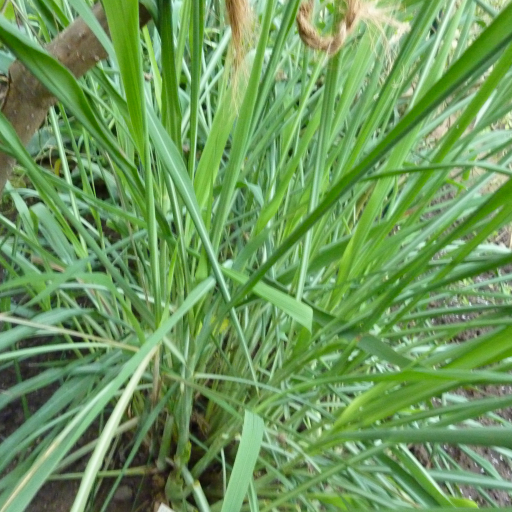
Plant Overview
Often dubbed the "Living Bug Spray," Cymbopogon nardus is the powerhouse behind most natural mosquito repellents. Originating from the lush, tropical landscapes of Sri Lanka, this clumping grass is famous for its invigorating, lemony scent. While it looks like a common ornamental grass at first glance, one crush of its leaves reveals its potent, aromatic secret.
🔍 How to Identify
- 🌿 Blade Shape: Features long, narrow, strap-like leaves that gracefully arch downward, often reaching lengths of 3 to 4 feet.
- 🎨 Stem Coloration: Look closely at the base of the plant; unlike its culinary cousin Lemongrass, Citronella Grass typically displays distinct reddish or purplish tints on the stems.
- 👃 Aromatic Profile: When the foliage is bruised or crushed, it releases a sharp, citrusy, and slightly medicinal scent that is much more intense than standard grasses.
🏡 In Your Garden
- 🌞 Sun Seeker: This grass thrives in full, intense sunlight. If planted in too much shade, it tends to become "leggy" and loses the concentration of the essential oils that make it so fragrant.
- 💧 Thirst Quencher: While it loves tropical humidity, it hates "wet feet." It requires soil that is rich in organic matter but drains very quickly to prevent the roots from suffocating.
- 📏 Space Planning: Because it grows in large, dense clumps, give it plenty of elbow room. It is a fast grower and can quickly overwhelm smaller neighboring plants if not divided every few years.
⚠️ Safety & Toxicity
- 🐾 Pet Sensitivity: Citronella Grass is considered toxic to dogs, cats, and horses. Ingestion can lead to digestive upset, and the concentrated essential oils are particularly hazardous to felines.
- 🧴 Skin Irritation: While the leaves are generally safe to touch, the oils can cause mild skin irritation or "contact dermatitis" in humans with high sensitivity. Always wash your hands after pruning.
✨ Fun Fact
Many people mistakenly buy the "Citronella Geranium" (Pelargonium) thinking it will keep bugs away, but Cymbopogon nardus is the "true" citronella and the actual source of the commercial oil used in those famous outdoor candles!

Detailed Care Instructions
| Color | Light Brown |
| Soil Ph | Neutral |
| Humidity | Normal |
| Lighting | Full Sun |
| Soil Type | Moist, Loamy, Well-Draining |
| Bloom Time | Summer To Fall |
| Difficulty | Hard |
| Plant Type | Perennial |
| Mature Size | 6 Ft. Tall, 4 Ft. Wide |
| Native Area | Asia |
| Temperature | 16°C - 36°C |
| Sun Exposure | Partial Shade To Full Sun |
| Hardiness Zones | 10-12 |
To grow Cymbopogon nardus, also known as citronella grass or lemongrass, follow these steps:
- Choose a suitable location: Cymbopogon nardus prefers full sun, so select a location in your garden that receives at least 6-8 hours of direct sunlight each day.
- Prepare the soil: Ensure the soil is well-draining and loamy. If the soil in your chosen area is heavy clay or compacted, amend it with organic matter like compost or well-rotted manure to improve drainage and nutrient content.
- Planting: Purchase Cymbopogon nardus seeds or propagate it from mature plants. If using seeds, sow them directly into the prepared soil, about a quarter-inch deep. If using mature plants, dig a hole slightly larger than the root ball and place the plant, making sure it's at the same depth as it was in its previous container. Space multiple plants about 2-3 feet apart to allow proper growth and airflow between them.
- Watering: Keep the soil consistently moist but not waterlogged. Water the plant deeply whenever the top inch of soil feels dry. Do not let the soil completely dry out between waterings.
- Fertilization: Apply a balanced slow-release fertilizer or organic compost to the soil during the planting process, and then fertilize every few months during the growing season to provide a steady supply of nutrients. Follow the instructions on the fertilizer package for dosage and application methods.
- Mulching: Apply a layer of organic mulch, such as straw or wood chips, around the base of the plants to help retain moisture, control weeds, and regulate soil temperature.
- Pruning: Cut back any dead or damaged leaves regularly to promote healthier growth. Additionally, pruning older leaves will encourage new growth and maintain a more compact plant shape.
- Pests and diseases: Cymbopogon nardus is generally quite resistant to pests and diseases. However, aphids or grasshoppers may occasionally be a problem. If pests are present, use organic insecticides or manually remove them from the plant.
- Harvesting: Once the plants are mature, usually after 3-4 months, you can start harvesting the leaves for culinary or medicinal use. Cut the stalks near the ground, leaving about 4-6 inches of the plant above the soil so it can regenerate.
By following these guidelines, you should be able to successfully grow Cymbopogon nardus in your garden.

Place in a bright room that is sun drenched almost all day. Or directly in a south-facing window.
To water this plant, it is recommended to first check the moisture level of the soil by inserting a finger into the soil up to the second knuckle. If the soil feels dry, it is time to water the plant.
When watering, be sure to water thoroughly until water flows out of the bottom of the pot. Allow the soil to completely drain before placing the plant back in its desired location.
It is important to not overwater this plant, as sitting in standing water can lead to root rot. Watering once a week is typically sufficient, but this may vary depending on the environment and humidity level.
Additionally, it is best to water in the morning to allow the plant to absorb the water throughout the day, rather than watering at night when the water may sit for extended periods.
For optimal growth, apply a balanced fertilizer that contains equal amounts of nitrogen, phosphorus, and potassium every three months during the growing season. Ensure that the plant is well-watered before fertilizing. Avoid the use of high-nitrogen fertilizers, as they can result in excessive foliage growth at the expense of essential oil production. It is also recommended to add compost or organic matter to the soil to promote healthy root development.
For optimal growth and development of this plant, it is recommended to use a well-draining and fertile soil mix. The soil should be light and airy, with a pH level between neutral and slightly acidic. A mix of loamy soil, sand and organic matter such as compost or aged manure can be ideal for this plant. It is important to avoid heavy or compact soils that can lead to waterlogging and root rot. The plant also benefits from regular watering and fertilization with a balanced fertilizer during the growing season. Pests and diseases can also be a concern, so it is important to monitor the plant regularly and take appropriate measures to address any issues that may arise.
- Obtain a healthy mother plant: The first step is to obtain a healthy and mature mother plant from which to take cuttings for propagation. Closely inspect the plant for any diseases or pests before proceeding.
- Prepare the cutting: Take a sharp and sterilized cutting tool and cut a stem from the mother plant. The stem should be at least 4-6 inches long and have several nodes along its length. Nodes are the points where the leaves come out of the stem.
- Remove the lower leaves: Remove all the leaves from the lower 2-3 inches of the stem, leaving only the top leaves intact.
- Optional step: Optionally, you can dip the cut end of the stem in a rooting hormone solution to encourage the growth of roots.
- Plant the cutting: Fill a small pot with a well-draining potting mix and make a hole in the center of the soil. Place the cutting in the hole and press the soil around it.
- Water the cutting: Water the soil lightly, making sure not to over-water the plant. The cutting should be kept evenly moist until it forms roots.
- Provide ideal growing conditions: Place the cutting in a warm and bright location, away from direct sunlight. Keep the temperature between 20-30 degrees Celsius. Mist the plant regularly to keep it humid.
- Monitor the growth: In about 3-4 weeks, the cutting should sprout roots and start to grow new leaves. Once the plant has grown strong roots and is established, it can be moved to a larger pot or transplanted into the garden.








