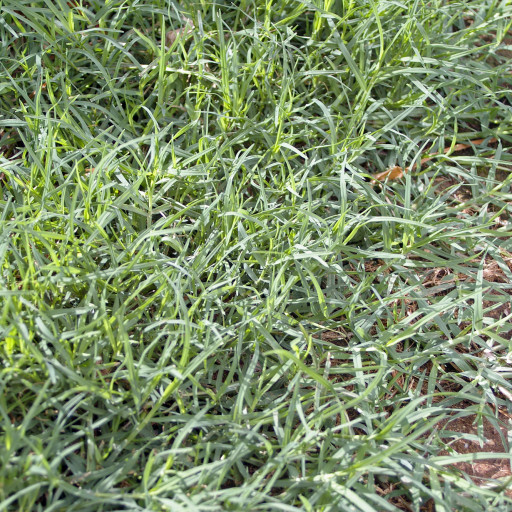
Plant Overview
Known as Bermuda Grass, "Devil’s Grass," or Scutch Grass, Cynodon dactylon is the ultimate survivor of the plant world. While it is prized by athletes for creating the perfect springy turf on football pitches, it is often a gardener's nightmare due to its relentless spreading. Native to Africa and Asia, this sun-loving grass has conquered nearly every continent, earning a reputation for being nearly indestructible.
🔍 How to Identify
- 🌿 Leaf Blades: The leaves are a distinct grey-green, short and flattened, often featuring a tiny fringe of white hairs where the leaf meets the stem.
- 🌾 The "Bird’s Foot": During the blooming season, it produces a very recognizable seed head consisting of 3 to 7 spikes that radiate from a single point, resembling a bird’s footprint.
- 🏃 Runners and Roots: It grows via a complex dual-system of "stolons" (above-ground runners) and "rhizomes" (underground stems), which allow it to form an incredibly dense, carpet-like mat.
🏡 In Your Garden
- ☀️ Sun and Heat Specialist: Unlike many lawn grasses that shrivel in the summer, Bermuda grass thrives in intense heat and full sun. It is highly drought-tolerant and will simply go dormant (turn brown) to protect itself during a dry spell, "waking up" instantly when watered.
- 🚧 The Escape Artist: Its underground rhizomes are so powerful they can grow through mulch, under landscape timber, and even crack through thin asphalt. If you want to keep it out of your flower beds, you’ll need deep edging or constant vigilance.
- 🚜 Self-Healing Ability: Because of its aggressive growth habit, it heals from foot traffic or pet damage faster than almost any other grass type, making it ideal for high-activity backyards.
⚠️ Safety & Toxicity
- 🐾 Pet & Kid Safe: Generally considered non-toxic and safe for play areas where dogs and children roam.
- 🤧 Allergy Warning: This grass is a significant producer of airborne pollen. If you or your family suffer from hay fever, it is best to keep the lawn mowed short to prevent the "bird’s foot" seed heads from ever developing.
✨ Fun Fact
In many cultures, particularly in India, this grass is considered sacred (known as Durva) and is used in religious ceremonies. Historically, it has also been used in traditional medicine to treat skin irritations and inflammation.

Detailed Care Instructions
| Humidity | Dry |
| Lighting | Full Sun |
| Toxicity | Poisonous |
| Difficulty | Medium |
| Hibernation | Cold Period |
| Temperature | 18°C - 28°C |
| Hardiness Zones | 6 - 9 |
To grow Cynodon dactylon, commonly known as Bermuda grass or couch grass, you can follow these steps:
- Choose the right time: Bermuda grass grows best in warm climates and requires full sunlight. It is best to plant it during late spring or early summer when the temperature consistently stays above 60°F (15°C).
- Prepare the soil: Bermuda grass prefers well-drained soil with a slightly acidic to neutral pH. Remove any weeds or debris from the area and clear it of rocks or large clumps of soil.
- Seed or sod: You can choose to sow Bermuda grass seeds or lay down sod. Sod will provide an instant lawn, but seeds are more cost-effective. If using seeds, prepare the soil by loosening it with a rake and then spread the seeds evenly over the area. Lightly rake the seeds into the top quarter-inch (0.6cm) of soil. Water the area immediately after seeding.
- Watering: Keep the soil moist but not waterlogged until the seeds germinate or sod roots firmly. Water the lawn deeply and infrequently to encourage deep root growth. It is better to water early in the morning to allow the grass to dry before nightfall.
- Fertilizing: Bermuda grass benefits from regular fertilization. Use a lawn fertilizer specifically formulated for Bermuda grass and follow the instructions for application rates and frequency. Typically, it is recommended to fertilize every 6-8 weeks during the growing season.
- Mowing: Once the grass reaches a height of around 2-3 inches (5-7.6cm), you can start mowing it. Set your lawn mower to a height of 1-2 inches (2.5-5cm) for a well-maintained Bermuda grass lawn. Avoid mowing the grass too short as it may damage the roots and make the lawn more susceptible to weeds.
- Weed and pest control: Regularly inspect your lawn for weeds and pests. Apply herbicides or use manual removal methods to control weeds. Treat any pest issues promptly using appropriate insecticides or natural pest control methods.
- Maintenance: Regularly perform grass maintenance tasks like dethatching, aeration, and overseeding to keep your Bermuda grass healthy and free from thatch buildup.
Remember that Bermuda grass is a fast-growing and aggressive species, so proper maintenance is essential to prevent it from taking over neighboring areas or invading flower beds.

Place in a bright room that is sun drenched almost all day. Or directly in a south-facing window.

To water this particular plant, it is important to consider the soil type and drainage of the location in which it is planted. It is recommended to water deeply and infrequently, allowing time for the soil to dry out in between watering sessions to prevent waterlogged roots and potential root rot. This can be achieved by monitoring the moisture level of the top inch of soil and only watering when it feels dry to the touch. If the plant begins to show signs of wilting, it may require more frequent watering. It is also important to avoid overwatering, as this can lead to nutrient deficiencies and other health issues for the plant. It is best to water early in the morning or late in the day to prevent evaporation and ensure that the plant has access to water for an extended period of time.
For optimal growth, apply a balanced fertilizer with a 3-1-2 or 4-1-2 ratio, such as a 15-5-10 or 16-4-8 fertilizer, every 6-8 weeks during the growing season. Be sure to follow the instructions on the fertilizer packaging for application rates. Avoid fertilizing during periods of drought or extreme heat. Water the plant thoroughly after fertilizing to ensure proper absorption.
It is advised to use a well-draining soil with a neutral to slightly alkaline pH level for this particular plant species. The soil should also be nutrient-rich and contain ample organic matter to promote healthy growth and development. Additionally, it is recommended to avoid soils that are too compact or heavy, as this can limit root growth and lead to poor plant health. Finally, regular soil testing and fertilization can help ensure optimal soil conditions for successful growth and cultivation of this plant.
Cynodon dactylon is a type of grass plant that can be propagated through several methods, including division, plant cuttings, and seed propagation.
To propagate the plant through division, start by selecting a healthy and well-established plant. Carefully dig up the plant and use a sharp knife or garden shears to divide it into several smaller sections, making sure that each section has a healthy root system. Replant these sections in a new location, making sure to water them thoroughly and keep them moist until they establish themselves.
To propagate the plant through cuttings, select a healthy and mature stem, and cut it off using a sharp pair of scissors or pruning shears. Remove any leaves or branches from the stem, leaving only a few inches of stem at the top. Dip the cut end of the stem into rooting hormone powder to encourage rooting, and then plant the stem in a pot filled with well-draining soil. Keep the soil moist and the cutting in a warm and sunny location until it establishes roots and begins to grow.
Seed propagation is a common method for cultivating Cynodon dactylon. Collect seeds from healthy, mature plants, and plant them in well-draining soil, covering them with a thin layer of soil. Water the seeds regularly, making sure to keep the soil moist but not waterlogged. Germination should occur within a few weeks, and once the plants have established themselves, they can be transplanted into a permanent location.
Common pests of the bermudagrass include Thrips. Make a habit of checking your bermudagrass frequently for pests so that any infestations can be caught and managed early.








