Plant Overview
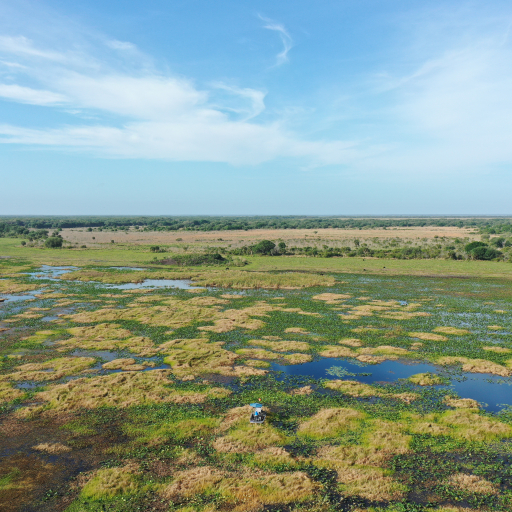
Known for its delicate, almost feathery appearance, Cyperus blepharoleptos is a tropical charmer that loves to keep its "feet" wet. Often found swaying in the marshlands of Central and South America, this perennial sedge brings an air of wild, untamed elegance to any landscape. While it looks like a common grass at first glance, its unique structural details make it a favorite for water-garden enthusiasts.
🔍 How to Identify
- 📐 The "Sedge" Stem: Following the classic rule of "sedges have edges," this plant features a distinct triangular stem that feels sharp to the touch compared to rounded grasses.
- 🌿 Lacy Foliage: The leaves are exceptionally slender and grow in a fountain-like tuft, giving the plant a soft, airy silhouette that dances in the wind.
- 🌾 Eyelash Spikelets: The flower clusters consist of tiny, flattened brownish spikelets that have a slightly fringed or "hairy" texture, which is where it gets its scientific name.
🏡 In Your Garden
- 💧 The Bog Specialist: Unlike most garden plants that fear "wet feet," this sedge thrives in saturated soil. It is an ideal candidate for the muddy margins of a backyard pond or as a "filler" in a rain garden designed to catch runoff.
- ☀️ Sun and Humidity: To keep those slender leaves from browning at the tips, it requires high humidity and plenty of bright light. If grown indoors, it should be kept in a tray of water to mimic its natural swampy home.
⚠️ Safety & Toxicity
- ✅ Low Risk: Cyperus blepharoleptos is generally considered non-toxic to humans and is not listed as a major threat to livestock.
- 🐱 Pet Curiosity: While not poisonous, the high fiber content in the long, blade-like leaves can cause mild digestive upset or vomiting if chewed on by curious cats or dogs.
✨ Fun Fact
The specific epithet blepharoleptos is derived from the Greek words for "eyelash" (blepharis) and "slender" (leptos), perfectly describing the delicate, hair-like scales found on its flowering heads.

Detailed Care Instructions








