Plant Overview
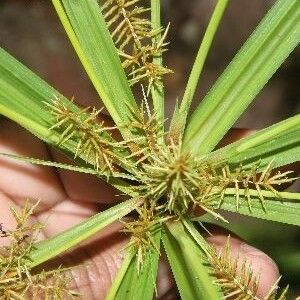
Often called the Finger Sedge or Finger Flatsedge, this striking perennial looks like a miniature, explosion of greenery frozen in time. A close relative of the famous Egyptian Papyrus, Cyperus digitatus brings an architectural, prehistoric vibe to any landscape. It is most at home with its "feet wet," standing tall along riverbanks and marshes across tropical and subtropical regions worldwide.
🔍 How to Identify
- 🖐️ The "Fingers": Its most defining feature is the golden-brown flower spikes that radiate outward from the top of the stem, resembling long, slender fingers or the ribs of an umbrella.
- 📐 Triangular Stems: Like most sedges, the main stalks are distinctly three-sided. If you roll the stem between your fingers, you’ll feel the sharp, triangular edges.
- 🌿 Leafy Bracts: Just below the "fingers," a series of long, leaf-like bracts spread out horizontally, creating a lush, green platform for the flowers.
🏡 In Your Garden
- 💧 Water Lover: This isn't a plant for a dry rock garden. It thrives in boggy conditions, making it the perfect choice for the edge of a backyard pond or a consistently damp "trouble spot" in the yard.
- 🧱 Soil Stabilizer: Because of its dense, fibrous root system, it is excellent for preventing soil erosion near water features. It can handle heavy clay soils that would suffocate the roots of more delicate garden plants.
⚠️ Safety & Toxicity
- ✅ Safe Status: Cyperus digitatus is generally considered non-toxic to humans, cats, and dogs.
- ✂️ Physical Care: While not poisonous, the leaves can be quite stiff and have slightly serrated edges. Wear gardening gloves when pruning to avoid "paper cuts" from the long blades.
✨ Fun Fact
The species name digitatus is Latin for "having fingers." In some cultures, different species of Cyperus have been used for thousands of years to weave mats, hats, and even small boats!

Detailed Care Instructions
Cyperus digitatus, commonly known as "umbrella plant," is a perennial wetland plant that can be a lovely addition to gardens, especially in water features or moist areas. Here’s how you can grow Cyperus digitatus:
1. Choosing the Right Location:
- Light: Cyperus digitatus prefers full sun to partial shade. It can thrive in bright, indirect light or direct sunlight.
- Soil: The plant thrives in rich, moist soil, ideally in a wetland area or near a water source.
2. Soil Preparation:
- Use a well-draining, moisture-retentive soil. Adding organic matter like compost can help improve soil fertility and moisture retention.
3. Watering:
- Ensure that the soil remains consistently moist, especially during the growing season. Cyperus digitatus can tolerate standing water, which makes it a great candidate for ponds or water gardens.
4. Planting:
- Propagation: You can grow Cyperus digitatus from seeds or by dividing established clumps. If using seeds, plant them at the surface of the soil in spring after the last frost.
- When dividing, carefully separate the clumps and replant them in the desired location, ensuring their roots are well covered.
5. Fertilizing:
- Fertilize the plant monthly during the growing season with a balanced, water-soluble fertilizer to promote healthy growth.
6. Maintenance:
- Regularly check for pests and diseases, although Cyperus digitatus is generally low-maintenance and resistant to most issues.
- Trim back any dead or yellowing foliage to encourage new growth and maintain its appearance.
7. Winter Care:
- In cooler climates, Cyperus digitatus may die back in the winter but can regrow in the spring. If you live in a region with harsh winters, consider bringing the pot indoors or covering the plant with mulch.
8. Pest Management:
- Keep an eye out for aphids, spider mites, or other pests. Treat any infestations promptly with insecticidal soap or neem oil if necessary.
With proper care, Cyperus digitatus can flourish and add a unique element to your garden or landscape. Enjoy gardening!

Place in a bright room that is sun drenched almost all day. Or directly in a south-facing window.

To properly water Cyperus digitatus, it's important to understand its natural habitat and specific needs:
1. Soil Type: Ensure the plant is in a well-draining, moisture-retentive medium. A mix of potting soil, peat, and perlite can work well, as it retains moisture while allowing for drainage.
2. Watering Frequency: This plant prefers consistently moist conditions. Check the soil regularly; it should be kept damp, but not waterlogged. Depending on your environment, this may mean watering every few days to weekly.
3. Watering Method: Use room temperature water to avoid shocking the plant. It’s best to water the plant thoroughly until water begins to drain from the bottom of the pot or container. Ensure that the pot has drainage holes to prevent standing water, which can lead to root rot.
4. Humidity: This plant thrives in high humidity. If your indoor environment is dry, consider misting the leaves or placing the pot on a tray filled with pebbles and water (without the pot sitting directly in water) to increase humidity around the plant.
5. Seasonal Adjustments: During the growing season (spring and summer), the plant may require more frequent watering due to increased evaporation and growth demands. Conversely, during the dormant season (fall and winter), reduce watering slightly, allowing the soil to dry out a bit more between waterings.
6. Observation: Pay attention to the leaves. If they start to yellow or wilt, it may indicate overwatering. Conversely, if the leaves appear dry or crispy, it might be a sign of underwatering. Adjust your watering schedule accordingly.
7. Fertilization: While not directly related to watering, using a balanced liquid fertilizer during the growing season can promote healthier growth. However, avoid fertilizing if the plant is stressed from improper watering.
By adhering to these guidelines, you can ensure that your Cyperus digitatus remains healthy and vibrant.
To fertilize Cyperus digitatus effectively, follow these guidelines:
- Timing: Fertilization is best done during the active growing season, typically in spring and early summer. Avoid fertilization during the dormant periods in fall and winter.
- Type of Fertilizer: Use a balanced, water-soluble fertilizer with an N-P-K ratio such as 10-10-10 or 20-20-20. Alternatively, a slow-release granular fertilizer can also be used.
- Dilution: If using a water-soluble fertilizer, dilute it to half the recommended strength to prevent nutrient burn, as this plant prefers a lighter feeding.
- Frequency: Fertilize every 4-6 weeks during the growing season. If using slow-release granules, you may only need to apply it every couple of months.
- Application: For liquid fertilizers, water the plant thoroughly before application to help prevent root burn. Apply the diluted fertilizer evenly around the base of the plant, avoiding direct contact with the leaves. For granular fertilizers, sprinkle the granules evenly on the soil surface and water lightly to help incorporate them into the soil.
- Soil Condition: Ensure the soil maintains good drainage, as this plant prefers consistently moist conditions but does not tolerate waterlogged soil.
- Observation: Monitor the plant for signs of nutrient deficiency, such as yellowing leaves (possibly indicating a nitrogen deficiency) or poor growth. Adjust your fertilization schedule accordingly.
By following these steps, you can promote healthy growth and vibrant foliage in your Cyperus digitatus.
Cyperus digitatus thrives best in moist, well-draining soil that is rich in organic matter. A suitable soil mix would typically consist of the following components:
- Organic Matter: Incorporate well-decomposed compost or peat moss to enhance moisture retention while providing essential nutrients.
- Loamy Texture: Aim for a loamy soil structure that balances clay, silt, and sand to ensure adequate drainage and aeration.
- pH Level: The optimal pH for this plant usually falls within a slightly acidic to neutral range (around 6.0 to 7.0). Checking the pH can help in maintaining the ideal conditions for growth.
- Moisture Retention: While ensuring good drainage, it’s important to maintain moisture. A soil mix that retains some water without becoming waterlogged is beneficial.
- Aeration: Including some coarse materials, like perlite or coarse sand, can improve aeration and drainage, preventing root rot.
A well-balanced, nutrient-rich soil mix with these properties will help in promoting healthy growth for the plant. Regular monitoring of soil moisture is also crucial to avoid both underwatering and overwatering, as these can adversely impact the plant's health.
Cyperus digitatus is a perennial aquatic plant that can be propagated through several methods, primarily:
1. Division
This is one of the most common and effective methods for propagating the plant:
- Identify Healthy Clumps: Look for strong, healthy clumps of the plant.
- Remove the Plant: Carefully dig up the clump, ensuring that you disturb the roots as little as possible.
- Divide the Clump: Using a sharp, sterile knife or spade, divide the clump into smaller sections. Each division should have a healthy root system and several stems.
- Replant: Plant the divisions in suitable soil or substrate, ensuring they are at the same depth as they were originally growing. Water them thoroughly to help settle the soil.
2. Rhizome Cuttings
This method involves using the underground stems of the plant to create new growth:
- Locate Rhizomes: Examine the plant for healthy rhizomes, which are typically elongated and horizontal.
- Cut the Rhizomes: Use a sterilized knife to cut sections of the rhizome, ensuring each piece has at least one or two growing points or nodes.
- Prepare for Planting: Allow the cut ends to dry and callous for a few hours to reduce the risk of rot.
- Plant the Cuttings: Place the rhizome cuttings in a suitable growing medium, ensuring that the nodes are buried lightly. Water them to initiate growth.
3. Seed Propagation
Though not as common due to the specific conditions required for germination, seeds can also be used:
- Collect Seeds: If the plant produces flowers and seeds during its growing season, collect mature seeds when they are dry and brown.
- Prepare for Sowing: Sow seeds in a seed-starting mix or a similar light substrate. Lightly cover the seeds with soil.
- Moisture and Light: Keep the soil consistently moist and provide bright but indirect light. Germination may take several weeks, depending on conditions.
- Transplanting: Once seedlings have developed a few true leaves, they can be transplanted into larger containers or directly into the desired growing area.
Care After Propagation
Regardless of the method used, after propagating, ensure that the new plants receive adequate water, light, and nutrients to encourage healthy growth. Regular monitoring for pests and diseases will also help maintain plant health.
By following these methods, you can successfully propagate the plant and expand your collection or enhance your garden.








