Plant Overview
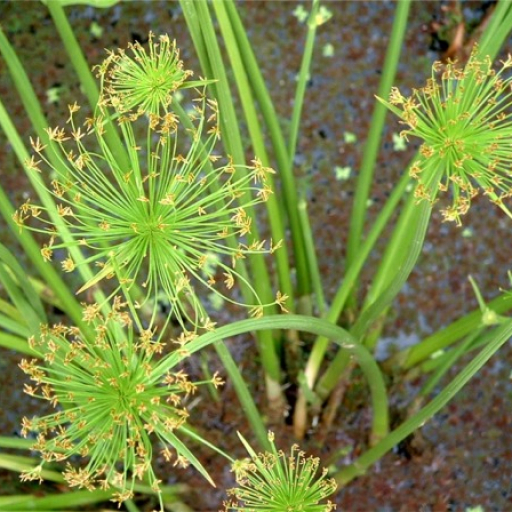
Known as the "Dwarf Papyrus," this elegant sedge brings a miniature marshland aesthetic to any home, pond, or patio. While its giant cousin, Cyperus papyrus, provided the material for the ancient scrolls of Egypt, Cyperus haspan is the petite, ornamental version favored by modern hobbyists. Its delicate, star-like foliage makes it look like a permanent green firework frozen in mid-explosion, adding a whimsical, architectural touch to water features.
🔍 How to Identify
- 📐 Triangular Stems: Like most sedges, the stalks are "triquetrous," meaning they have three distinct flat sides. If you roll the stem between your fingers, you’ll feel its sharp, triangular edges.
- 🎇 The "Mop-Top": The plant is topped with a cluster of leaf-like bracts that radiate outward like the ribs of an umbrella.
- 🌾 Bronze Flower Spikes: In mid-summer, tiny, delicate spikelets emerge from the center of the umbrella. They start light green and mature into a soft cinnamon or bronze color.
🏡 In Your Garden
- 💧 The "Wet Feet" Rule: Most plants hate sitting in water, but the Dwarf Papyrus thrives in it. It is an "obligate wetland" plant, meaning it is happiest when its pot is partially submerged in a pond or sitting in a deep saucer that is always full of water.
- ☀️ Light and Legginess: To keep that compact, explosive shape, it needs bright, direct light. If the stems start to lean or look pale, it is likely "stretching" for more sun. It’s a fast grower, so don't be afraid to trim old, yellowing stalks at the base to make room for new shoots.
⚠️ Safety & Toxicity
- 🌿 Status: Generally Non-Toxic.
- ✂️ Details: While not considered poisonous to cats, dogs, or humans, the "edges" of the stems and leaves can be quite coarse and sharp. Curious pets who like to chew on grass might experience minor mouth irritation or an upset stomach from the fiber, but the plant lacks harmful chemical toxins.
✨ Fun Fact
The Dwarf Papyrus is "viviparous." If a heavy flower head bends over and touches the water or moist soil, it can actually sprout a brand-new baby plant directly from the top of the old stalk! This unique survival trait allows it to "walk" across marshes and colonize new areas.

Detailed Care Instructions
To successfully grow Cyperus Haspan plant, also known as Elephant's Foot grass, you can follow these steps:
- Choose a suitable location: Cyperus Haspan plant thrives in full sun to partial shade, so select a spot that receives ample sunlight each day.
- Prepare the soil: The plant prefers moist, fertile soil. Add organic matter such as compost or well-rotted manure to enhance the soil's quality and drainage.
- Planting: You can either start with nursery-bought plants or grow them from seeds. If using seeds, sow them directly in the prepared soil, covering lightly with a thin layer of soil. If using potted plants, dig a hole slightly wider and deeper than the root ball, place the plant in the hole, and backfill with soil.
- Watering: Keep the soil consistently moist. Water the plant regularly, especially during hotter months. However, avoid overwatering, as excessive moisture can cause root rot.
- Fertilizing: Apply a balanced, slow-release fertilizer during the growing season. Follow the instructions on the fertilizer package for the appropriate dosage.
- Mulching: Mulch around the base of the plant to help retain moisture and suppress weed growth. Use organic mulch like wood chips or straw.
- Pruning: Trim off any dead or damaged leaves to maintain a neat appearance. You can also trim the plant back in late winter or early spring to remove any overgrown or tired-looking growth.
- Pests and diseases: Cyperus Haspan plant is generally pest-resistant. However, occasionally, it may attract common garden pests like aphids or spider mites. Monitor the plant regularly and take appropriate measures if necessary, such as using insecticidal soap or neem oil.
- Propagation: Once the plant is established and growing well, you can propagate it by dividing the root clump. Carefully dig up the plant, separate the clumps, and replant them in well-prepared soil.
Remember to research the specific care requirements for your particular plant to ensure the best growth and health.

Place in a bright room that is sun drenched almost all day. Or directly in a south-facing window.

Cyperus Haspan plant requires regular watering to maintain its healthy growth. When it comes to watering the plant, it is important to keep the soil moist but not overly saturated. You can achieve this by pouring water slowly onto the soil surface until it is visibly wet. Avoid overwatering the plant as it can lead to root rot. Check the moisture level of the soil by inserting your finger about one inch deep, and if it feels dry, it is time to water the plant. However, if the soil feels wet, you can wait for a few days before watering again. Keep in mind that the frequency of watering may vary depending on the climate, humidity, and sunlight exposure. It is best to water the plant early in the morning or late in the evening to prevent the water from evaporating quickly.
To fertilize this plant, begin by selecting a balanced fertilizer that contains nitrogen, phosphorus, and potassium. Follow the instructions on the fertilizer packaging, being careful not to over-fertilize. Apply the fertilizer evenly to the soil around the base of the plant, being sure not to get any on the foliage. Water the plant well after fertilizing to help the fertilizer soak into the soil. Repeat this process every two to four weeks during the growing season.
Cyperus Haspan is a type of plant that requires a specific type of soil to grow optimally. This plant requires a well-drained soil that is moist and high in organic matter. The soil pH should be between 5.5 and 7.5. It is best to avoid using heavy soils that do not drain well, as this can lead to root rot. A mix that is recommended for Cyperus Haspan is a combination of soil, sand, perlite, and peat moss to ensure proper drainage and adequate moisture retention. This plant also benefits from occasional fertilization with a balanced fertilizer to promote healthy growth.
To propagate this plant, you will need to take a mature plant and divide its rhizomes. Carefully remove the plant from its pot or soil and gently shake off any excess soil to expose the roots. Identify the rhizomes, which are thick, horizontal stems that produce roots and shoots. Using a sharp, sterilized knife, cut the rhizomes into sections, making sure each section has at least one shoot and a few healthy roots.
Pot each section into a new container filled with well-drained, nutrient-rich soil. Water thoroughly and place the containers in a bright, indirect light location. Keep the soil evenly moist, but not waterlogged. Within a few weeks, the new plants should start to produce new growth.
To ensure successful propagation, it is best to do this in the spring when the plant is actively growing and can recover quickly from the division. It is also important to avoid damaging the plant's roots and shoots during the process.








