Plant Overview
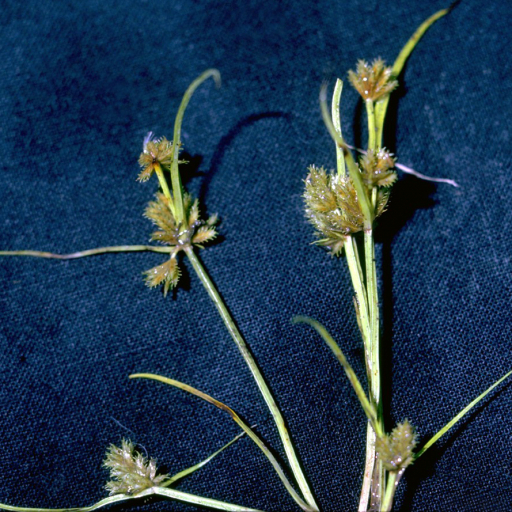
The Bearded Flatsedge is a miniature marvel of the wetlands, often overlooked because it rarely rises more than a few inches from the mud. Known for its distinctively "hairy" or "bearded" flower clusters, this tiny annual sedge looks like a burst of green geometry in damp, sandy spots. While it may look like a common weed to the untrained eye, it is a fascinating specialist of ephemeral environments, appearing only when the conditions are perfectly soggy.
🔍 How to Identify
- 🌾 The "Beard": The defining feature is the cluster of spikelets (flowers) that have long, outward-curving tips called awns. This gives the flower head a fuzzy, bristly appearance that looks like a tiny green pom-pom.
- 📐 Triangular Stems: Following the old botanical rhyme "Sedges have edges," the stem of this plant is distinctly three-sided. If you roll it between your fingers, you will clearly feel the sharp triangular shape.
- 🎨 Color Shift: While it starts as a vibrant lime green, the seed heads transition to a rich cinnamon or golden-brown as they mature in the late summer and autumn.
🏡 In Your Garden
- 💧 The Puddle Specialist: This plant loves "wet feet." In a home setting, it is most likely to appear in low-lying areas of the garden, near leaky outdoor faucets, or at the edges of decorative ponds where the soil remains consistently saturated.
- 🌱 Ephemeral Nature: It is an annual plant, meaning it completes its entire life cycle in one season. It relies on its tiny seeds to survive the winter or dry spells, waiting for the next big rain to sprout again in sandy or disturbed soil.
⚠️ Safety & Toxicity
- ✅ Safe Status: Cyperus squarrosus is generally considered non-toxic to humans, dogs, and cats. It does not possess the sharp, silica-edged leaves that some larger marsh grasses use for defense.
- 🐾 Pet Friendly: Because it is soft and lacks spines, it isn't a physical hazard to curious pets who might wander through a damp patch of the yard.
✨ Fun Fact
- 👃 A Secret Scent: When this plant begins to dry out or is crushed, it often releases a surprising fragrance. Many people describe the scent as being remarkably similar to maple syrup or sweet curry, a trait it shares with some of its more famous aromatic sedge cousins used in perfumery.

Detailed Care Instructions
To grow Cyperus Squarrosus plants, you can follow these steps:
- Obtain a cyperus squarrosus plant: You can either buy a plant from a nursery or obtain seeds from a trusted source.
- Choose a suitable container: Cyperus squarrosus plants are usually grown in pots or containers. Select a container that has drainage holes to prevent water stagnation.
- Prepare the potting mix: These plants prefer moist and fertile soil. Mix equal parts of potting soil, peat moss, and sand to create a well-draining mix.
- Sow the seeds or plant the seedling: If you have seeds, sow them on the soil surface and lightly press them to ensure good contact with the soil. If you have a seedling, carefully plant it in the soil, covering the roots gently.
- Provide the right conditions: Cyperus squarrosus plants thrive in bright, indirect sunlight. Place the container near a window or in a spot that receives bright filtered light. Maintain a temperature range of 60-70°F (15-21°C).
- Water regularly: Keep the soil consistently moist but not waterlogged. Water the plant whenever the top inch of soil feels dry. Avoid letting the soil completely dry out between waterings.
- Maintain humidity: Since these plants prefer a humid environment, mist the plant regularly with water or place a tray filled with water near the plant to increase humidity.
- Fertilize occasionally: Feed the plant with a balanced liquid fertilizer once every two to four weeks during the growing season (spring and summer). Follow the instructions on the fertilizer packaging for proper dilution and application.
- Prune if needed: Cyperus squarrosus plants rarely require pruning. However, you can trim any brown or yellow leaves or remove any dead or damaged stems to maintain the plant's appearance.
- Monitor pests and diseases: Keep an eye out for common houseplant pests like spider mites or mealybugs. Treat the infestation immediately with an appropriate insecticide or by using natural pest control methods.
With proper care and attention, your Cyperus Squarrosus plant should grow well and become a beautiful addition to your indoor garden.

Place in a bright room that is sun drenched almost all day. Or directly in a south-facing window.

To water this plant, it's important to keep its unique watering needs in mind. Cyperus Squarrosus prefers consistently moist soil, but it's important not to overwater it or let it sit in standing water. The best way to water it is by allowing the top inch of soil to dry out slightly before watering again.
When watering, use room temperature water and water thoroughly, saturating the soil until water begins to drain out the bottom of the pot. Make sure to empty any excess water from the saucer beneath the pot to prevent waterlogging.
In addition, it's important to avoid getting water on the leaves or stems as this can lead to rot or fungal growth. Watering from the bottom is a good method to prevent this.
During periods of active growth, Cyperus Squarrosus may require more frequent watering. However, during the dormant season, it may require much less. It's important to observe the plant and adjust watering accordingly.
To properly fertilize this plant, use a balanced, slow-release fertilizer with equal amounts of nitrogen, phosphorus, and potassium. Apply the fertilizer according to the manufacturer's instructions during the growing season, which typically runs from spring through summer. Avoid applying too much fertilizer, as this can lead to damage or stunted growth. Additionally, be sure to water the plant regularly to ensure that it receives adequate moisture, as well as plenty of sunlight to promote healthy growth.
Cyperus Squarrosus requires soil that is rich in nutrients and well-draining. It should be slightly acidic with a pH between 6.0 to 6.5. The soil should also be able to retain moisture but not too wet as this can result in root rot. A mixture of loamy soil and sand is ideal, as it provides both the necessary nutrients and good drainage. Adding organic matter such as compost or peat moss can further enhance the soil's fertility. It is also recommended to use a pot with drainage holes to prevent waterlogging.
Propagation of this plant can be done through division. To do this, carefully remove the existing plant from its container or the ground. Then gently separate the roots and stems into smaller sections with a sharp, sterile knife. Each section should have a sufficient amount of roots and foliage.
Once the sections have been separated, they can be planted individually in new containers or in the ground. It is important to ensure the soil is moist and has good drainage. Provide the new plants with adequate water and light to encourage healthy growth.
Propagation can also be done through seeds. However, this method is less common as the plant does not produce seeds as frequently as other species of Cyperus. If collecting seeds, wait until the seeds have matured and turned brown. Then, simply remove the seeds from the plant and plant them in a suitable growing medium.








