Plant Overview
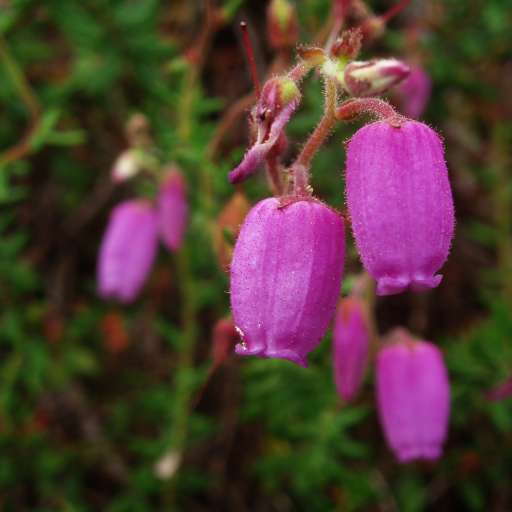
Known as the Irish Heath or Connemara Heath, this charming evergreen shrub feels like a piece of the wild Atlantic coast brought into your backyard. It is named after the 6th-century Irish Saint Dabeoc and is famous for its elegant, drooping bells that hum with the vibration of visiting bees. It is a favorite for those looking to add a touch of "wild moorland" aesthetic to their landscape.
🔍 How to Identify
- 🌸 The Flowers: Unlike its cousins in the Erica genus, these flowers are larger, nodding, and urn-shaped. They drop cleanly from the plant when they fade, keeping the bush looking tidy.
- 🍃 Leaf Texture: The leaves are small and lance-shaped. If you flip one over, you’ll notice a striking silvery-white underside that contrasts beautifully with the dark green top.
- 🌿 Growth Habit: It forms a low, spreading mound that rarely exceeds 1.5 to 2 feet in height, making it an excellent groundcover for rock gardens or borders.
🏡 In Your Garden
- ⛰️ Soil Sensitivity: This plant is a "calcifuge," meaning it absolutely detests lime or chalky soil. If your garden soil isn't naturally acidic, it is much happier living in a container with specialized ericaceous (acid-loving) compost.
- ✂️ Pruning Strategy: To prevent the plant from becoming leggy or "woody" in the center, give it a light haircut right after the flowers fade in late autumn. This encourages a dense, bushy shape for the following spring.
⚠️ Safety & Toxicity
- 🐾 Status: Generally Safe.
- 🧤 Details: The Irish Heath is non-toxic to cats, dogs, and horses. While it is safe for curious pets, the stems can be slightly wiry and tough, so it’s always best to discourage munching to avoid minor tummy upsets.
✨ Fun Fact
The Irish Heath is considered a "Lusitanian" species. This means it is native to both the Iberian Peninsula (Spain/Portugal) and the west of Ireland, but it isn't found naturally anywhere in between! Botanists are still debating how this plant managed such a massive geographic leap.

Detailed Care Instructions
Here are some steps you can follow to grow Daboecia Cantabrica plant:
- Choose the right location: Daboecia Cantabrica prefers partial shade to full sun, so find a spot in your garden that receives a few hours of direct sunlight each day. It also prefers well-draining soil.
- Prepare the soil: Ensure that the soil is loose, well-draining, and slightly acidic (pH between 4.5 and 6). You can amend the soil by adding peat moss or compost to improve drainage and acidity.
- Planting: Dig a hole that is slightly larger than the root ball of the plant. Place the plant in the hole, making sure the top of the root ball is level with the soil surface. Backfill the hole with soil, gently firming it around the plant.
- Watering: Water the plant regularly, especially during dry periods, to keep the soil consistently moist. Avoid overwatering, as excessive moisture can cause root rot.
- Mulching: Apply a layer of organic mulch, such as pine needles or wood chips, around the plant. Mulching helps retain moisture, suppresses weeds, and maintains a cool root zone.
- Fertilization: Daboecia Cantabrica doesn't require heavy fertilization. However, you can apply a balanced, slow-release fertilizer in spring or use a diluted liquid fertilizer during the growing season to promote healthy growth.
- Pruning: To encourage compact growth and better flowering, prune the plant after flowering by removing faded flowers and any leggy or overgrown stems. Avoid pruning during winter or early spring when the plant is getting ready to bloom.
- Winter protection: Daboecia Cantabrica is hardy in USDA zones 5-8. However, if you live in a colder region, protect the plant during winter by applying a layer of mulch around the base and covering it with a frost cloth or straw.
- Pests and diseases: Daboecia Cantabrica is generally not prone to significant pest or disease issues. However, keep an eye out for common garden pests like aphids or snails and promptly address any infestations or diseases that may occur.
By following these steps, you should be able to successfully grow Daboecia Cantabrica plant.

Place in a bright room that is sun drenched almost all day. Or directly in a south-facing window.

To water this plant, you should check the soil moisture level by inserting your finger about an inch deep into the soil. If it feels dry, it's time to water. Use a watering can or hose to thoroughly dampen the soil around the plant's roots, being careful not to water the leaves or flowers. Avoid watering too frequently, as this can lead to root rot and other issues. Instead, let the soil dry out slightly between waterings. If you're growing this plant in a container, make sure it has drainage holes to prevent water from collecting at the bottom.
To fertilize this plant, you should use a balanced, slow-release fertilizer in the spring or early summer. Follow the instructions on the packaging for application rates and frequency. Avoid fertilizing in the fall or winter, as this can stimulate new growth that may be damaged by cold weather. Additionally, be sure to water the plant thoroughly before and after fertilizing to avoid burning the roots.
Daboecia Cantabrica plant prefers well-drained soil with a slightly acidic pH, ideally between 4.5 and 6.0. The soil should be rich in organic matter and conducive to good root growth. It is recommended to mix a good quality potting soil with coarse sand or perlite to ensure proper drainage. The plant also benefits from regular feeding with a balanced fertilizer during the growing season.
To propagate this plant, select a healthy and mature stem and cut a section of about 4-6 inches. Remove the leaves from the bottom two-thirds of the cutting. Dip the cut end in rooting hormone and plant it in a well-draining soil mixture. Water well and cover the cutting with a clear plastic bag or create a mini greenhouse with a plastic container. Place in a bright, but indirect light location and keep the soil moist. After a few weeks, a new root system should develop, and the cutting can be transplanted into a larger pot or directly into the ground.








