Plant Overview
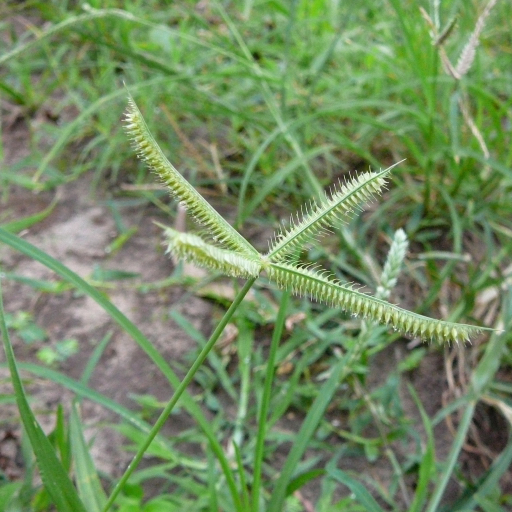
Commonly known as Crowfoot Grass or Egyptian Grass, this hardy survivor looks like it stepped right out of a bird's nest. Originating from the warm regions of Africa and Asia, it has traveled the globe as a resilient traveler, often found decorating roadsides, sandy coastal areas, and even the cracks in city pavements. It is best known for its incredible ability to thrive in poor soil and its distinctive, radiating flower heads that perfectly mimic the footprint of a crow.
🔍 How to Identify
- 🦶 The "Crow's Foot": The most striking feature is the flower head, which consists of 3 to 7 stiff spikes radiating horizontally from the tip of the stem like bird toes.
- 🌱 Creeping Stems: It features a prostrate growth habit, meaning the stems often crawl along the ground and "knit" themselves into the earth by rooting at the joints (nodes).
- 🍃 Hairy Leaves: The leaf blades are flat and light green, but if you look closely at the edges, you’ll notice fine, tiny hairs that give them a slightly fringed appearance.
🏡 In Your Garden
- 🏜️ The Ultimate Survivor: If you find this in your garden, it’s a sign of high light and potentially sandy or compacted soil. It is a "pioneer" species, meaning it’s often the first plant to move in and stabilize ground where nothing else will grow.
- 🌾 Drought Specialist: Crowfoot Grass is an expert at water management. It uses a specialized metabolic pathway (C4) that allows it to keep growing in intense heat and dry spells that would cause typical lawn grasses to wither.
⚠️ Safety & Toxicity
- ✅ Safe Status: Dactyloctenium aegyptium is generally considered non-toxic to humans and is frequently used as high-quality forage for livestock like goats and cattle.
- 🐾 Pet Note: While not poisonous, the seed heads are quite bristly and "scratchy." If a curious dog or cat eats a large amount, the coarse texture might cause minor throat irritation or a temporary upset stomach.
✨ Fun Fact
In various parts of Africa and India, this grass isn't just a weed; it’s a lifesaver. During times of extreme drought, the tiny grains are harvested, husked, and ground into a flour to make a nutritious porridge or "famine bread."

Detailed Care Instructions
| Humidity | Normal |
| Lighting | Full Sun |
| Difficulty | Medium |
| Hibernation | Cold Period |
| Temperature | 18°C - 32°C |
To grow Dactyloctenium aegyptium (also known as Egyptian crowfoot grass), follow these steps:
- Choose the right location: Dactyloctenium aegyptium thrives in full sun to partial shade. Select a well-draining area in your garden or a large container if you plan to grow it indoors.
- Prepare the soil: Till the soil, removing any weeds or rocks. Add compost or well-rotted manure to improve the soil's fertility and drainage.
- Planting seeds: You can sow Dactyloctenium aegyptium seeds directly into prepared soil or start them indoors in pots filled with seed-starting mix. If starting indoors, sow seeds 6-8 weeks before the expected last frost date in your area.
- Watering: Water the seeds or seedlings thoroughly after planting and keep the soil slightly moist until they establish. Once established, this grass is quite drought-tolerant and won't require frequent watering.
- Maintenance: Keep the planting area weed-free by regularly pulling out any unwanted plants. You can also mulch around the plants to reduce weed growth and conserve moisture.
- Fertilization: Dactyloctenium aegyptium generally does not require much fertilization. However, if your soil is poor, you can apply a balanced, slow-release fertilizer once during the growing season.
- Pruning: Periodically mowing or trimming the grass to a height of 2-3 inches can help promote healthy growth and prevent the plant from becoming invasive.
- Pest and disease control: Dactyloctenium aegyptium is generally resistant to pests and diseases. However, keep an eye out for common garden pests like aphids, mealybugs, or grasshoppers. If necessary, use appropriate organic or chemical controls to manage them.
- Harvesting seeds (optional): If you want to collect seeds for propagation, allow the plant to produce seed heads and dry on the plant. Once the seeds turn golden brown, cut off the seed heads and collect the seeds for future planting.
Remember to check the specific growing requirements for your region, as Dactyloctenium aegyptium's cultivation may vary depending on climate and soil conditions.

Place in a bright room that is sun drenched almost all day. Or directly in a south-facing window.

To water this plant, you will want to use a watering can or hose to give the soil around the plant a thorough soaking. It is best to water deeply and infrequently, rather than giving the plant frequent shallow waterings which can cause shallow root growth. Wait until the top inch or two of soil feels dry before watering again. It is also important to avoid overwatering, as this can lead to root rot. If the plant is in a pot, make sure there are drainage holes in the bottom to prevent water from pooling in the bottom of the container.
To fertilize the described plant, apply a balanced fertilizer with an N-P-K ratio of 10-10-10 or 15-15-15 at a rate of 1 pound per 100 square feet of soil. Apply the fertilizer evenly over the soil surface and water thoroughly to ensure even distribution and uptake. Repeat the fertilization every 6-8 weeks during the growing season. Avoid over-fertilization, which can lead to excessive growth and reduce the plant's overall health.
Dactyloctenium Aegyptium plant prefers a well-draining soil that is rich in organic matter. It can thrive in a variety of soil types including loamy, sandy, or clay-based soils. However, it is important that the soil pH is within the range of 6.0 to 7.5 for optimal growth. It is recommended to amend the soil with compost or other organic fertilizers before planting to improve soil moisture retention and nutrient availability. In addition, the plant requires regular watering to maintain soil moisture, but care should be taken not to overwater as this can cause root rot. Overall, a well-draining soil that is rich in organic matter and has a pH within the optimal range will provide the best conditions for the Dactyloctenium Aegyptium plant to thrive.
To propagate this plant, you will need to collect mature seeds from the parent plant. Once collected, the seeds should be allowed to dry completely. The dried seeds can then be sown into a well-draining soil mixture or directly into the ground. It is best to sow the seeds in spring or early summer, as this is the plant's growing season. The seeds should be lightly covered with soil and kept moist. Germination typically occurs within 10-14 days. Once the seedlings have developed several leaves, they can be transplanted into individual pots or into the garden. It is important to keep the plants well-watered and in a sunny location for optimal growth. With proper care, Dactyloctenium Aegyptium can be a beautiful addition to any garden or landscape.








