Plant Overview
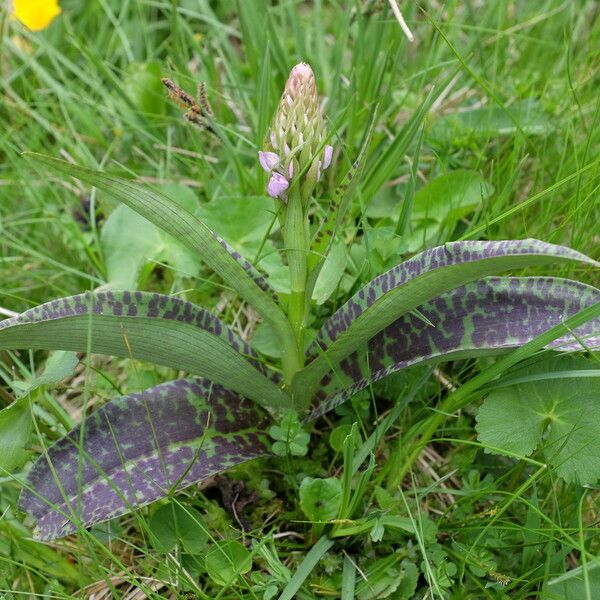
Known as the Narrow-leaved Marsh-orchid, this slender beauty is one of the most elegant and elusive members of the orchid family. Often found tucked away in the dampest corners of fens and marshes, it is celebrated by botanists for its deep magenta hues and its preference for "wet feet." In many regions, it is considered a rare find, signaling a healthy, undisturbed peatland ecosystem.
🔍 How to Identify
- 🍃 The Foliage: True to its name, the leaves are notably narrow, often folded into a V-shape (channeled), and can range from plain green to heavily spotted with dark purple.
- 🌸 The Blooms: The flower spike is typically loose and elegant, featuring rich purple-to-pink flowers. Each flower has a three-lobed "lip" (labellum) decorated with intricate dark lines and loops.
- 📏 The Stature: Unlike its chunkier cousins, this orchid is slender and delicate, often standing between 10 to 30 centimeters tall, with a stem that frequently turns a purplish tint near the top.
🏡 In Your Garden & Habitat
- 💧 The Wetland Specialist: This plant is almost impossible to "garden" in the traditional sense. It thrives in calcareous fens—wetlands that are fed by mineral-rich, alkaline groundwater. It requires a very specific, constant moisture level that is hard to replicate at home.
- 🍄 Fungal Friendships: Like most wild orchids, it relies on a complex symbiotic relationship with soil fungi (mycorrhiza) to germinate and grow. Because of this, transplanting wild specimens usually results in the death of the plant, as the delicate fungal balance is broken.
⚠️ Safety & Toxicity
- ✅ Non-Toxic: The Narrow-leaved Marsh-orchid is not known to be toxic to humans, cats, or dogs.
- 🛡️ Conservation Warning: The primary "danger" involves the law. In many areas, this orchid is a protected species. Picking the flowers or digging up the tubers is often illegal and highly detrimental to the local population.
✨ Fun Fact
The genus name Dactylorhiza translates from Greek to "finger-root." If you were to look beneath the soil, you would find that its tubers are shaped like a tiny, pale human hand with spreading fingers!

Detailed Care Instructions








