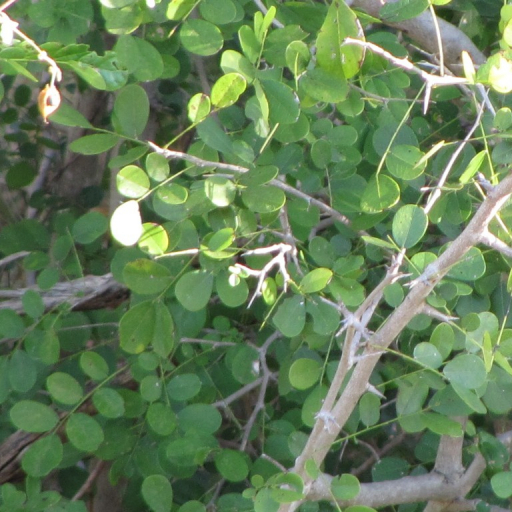
Plant Overview
Known as the "Music Tree" of Africa, the African Blackwood is one of the most valuable and densest timbers on Earth. While it may look like a modest, scrubby tree in the wild, its heartwood is a deep, lustrous black that has been prized since the time of Ancient Egypt for fine furniture and royal scepters. It is a slow-growing survivor of the dry African savannas, embodying the definition of "quality over speed."
🔍 How to Identify
- 🌳 Growth Habit: A multi-stemmed, gnarled tree that rarely exceeds 15 meters. It often has a crooked trunk with bark that is pale, grey, and frequently peeling in thin strips.
- 🌿 Foliage: It features small, pinnate (feather-like) leaves with 3 to 9 alternate leaflets. The leaves have a soft, matte green finish and a rounded shape.
- ⚔️ Spiny Branches: The smaller branches are armed with sharp, stout spines that are actually modified "short shoots," helping the tree defend itself against hungry herbivores.
- 🌸 Fragrant Blooms: In the spring, it produces clusters of tiny, sweetly scented white flowers that eventually develop into flat, papery seed pods.
🏡 In Your Garden
- ⏳ A Generational Project: This is not a tree for the impatient. It can take 60 to 100 years to reach harvestable maturity. In a garden setting, it is grown more for its botanical interest and nitrogen-fixing abilities than for its timber.
- 🏜️ Hardy Survivor: It thrives in poor, rocky, or sandy soils where other plants might struggle. Because it develops a very deep taproot to find water, it is extremely drought-tolerant but hates being moved—ensure you plant it in its "forever home" from the start.
- ☀️ Light Needs: To develop its characteristic dense wood, it requires full, harsh sun. Shady spots will result in a weak, spindly plant that is prone to pests.
⚠️ Safety & Toxicity
- 🛡️ Physical Hazard: While the plant is not known to be toxic to humans, cats, or dogs, the spines are incredibly sharp and can cause deep puncture wounds.
- 🧤 Safe Handling: Always wear thick leather gloves when pruning or weeding around the base of the tree to avoid "stings" from the hidden thorns.
✨ Fun Fact
🎶 African Blackwood is so dense that it actually sinks in water! It is the "gold standard" material for making professional-grade clarinets, oboes, and bagpipes because its wood is virtually impervious to the moisture of a musician's breath.

Detailed Care Instructions
To grow Dalbergia melanoxylon, also known as African Blackwood or Mpingo, you can follow these steps:
- Obtain seeds or plant material: You can get seeds or plant material from reputable nurseries, online sellers, or botanical gardens specializing in rare and exotic plants.
- Choose a suitable location: African Blackwood requires warm and humid conditions to thrive. It prefers full sun but can tolerate partial shade. Ensure you have a well-draining soil mixture ready.
- Prepare the soil: Dalbergia melanoxylon prefers slightly acidic soil with a pH range of 6.0 to 6.5. Prepare the soil by adding organic matter, such as compost, to improve fertility and drainage.
- Sow the seeds or plant the seedling: If starting from seeds, sow them in pots or seed trays filled with the prepared soil mixture. Cover the seeds lightly with soil and keep them moist. If using a seedling, gently transplant it into a larger container or directly into the ground.
- Provide the right environment: Place the pots or containers in a warm location with filtered sunlight. Water the plants regularly, keeping the soil evenly moist but not waterlogged. Misting the leaves occasionally can help replicate the humid conditions African Blackwood prefers.
- Prune and fertilize: Prune the plant periodically to maintain its shape and encourage branching. Apply a balanced, slow-release fertilizer specifically formulated for woody plants according to the package instructions to promote healthy growth.
- Protect from extreme temperatures: African Blackwood is sensitive to frost and extreme cold. If you live in a region with cold winters, it's best to grow it in a container and move it indoors during the colder months or protect it with a plant cover.
- Be patient: Dalbergia melanoxylon is a slow-growing plant, and it can take several years for it to develop into a mature tree. Be patient and consistent with care while allowing it time to grow.
Remember to research any local regulations or requirements for growing rare or exotic plants before attempting to grow Dalbergia melanoxylon.

Place in a bright room that is sun drenched almost all day. Or directly in a south-facing window.

To water this particular plant, it is important to take into consideration its specific requirements. This may include factors such as the quality of the soil and the amount of sunlight it receives, among others. Generally, it is best to water this plant consistently, but not excessively, as over-watering can lead to root rot. This can be achieved by regularly checking the moisture level of the soil, and adjusting the watering schedule accordingly. It is also important to avoid getting water on the leaves or stems of the plant, as this can lead to the development of diseases. Instead, water the soil directly at the base of the plant, ensuring that the water is able to penetrate deep into the soil. Finally, it is important to provide sufficient drainage to prevent water from accumulating in the soil, which can also lead to root rot.
- Choose a high-quality, balanced fertilizer with a moderate amount of nitrogen, phosphorus, and potassium. Avoid fertilizers with excessive amounts of any one nutrient.
- Apply the fertilizer in the early spring, just as the plant begins to emerge from its dormant period.
- Follow the instructions on the fertilizer packaging for the appropriate rate and method of application.
- Water the plant immediately after applying the fertilizer to help distribute the nutrients evenly throughout the soil.
- Repeat the fertilization process every six to eight weeks throughout the growing season, ending in late summer or early fall.
- Monitor the plant for signs of nutrient deficiencies, such as yellowing leaves or stunted growth, and adjust the fertilizer application as necessary.
The ideal soil for Dalbergia Melanoxylon should have a balanced pH level around 6.5 to 7.5. It should also contain rich organic matter, such as compost or well-rotted manure, to promote healthy growth. The soil should be well-draining, with good aeration to avoid waterlogging. Adding perlite or sand can help to improve drainage. Additionally, the soil should have a good texture to allow for root development. Finally, it is important to avoid using any soil that has been contaminated with chemicals or pesticides.
Dalbergia Melanoxylon plant can be propagated through a variety of methods, including seed propagation, cutting propagation, and grafting. One common propagation method is through stem cuttings. To propagate through stem cuttings, select a healthy stem that is free from disease and pests. Cut the stem with a sharp, clean knife just below a node or leaf joint. Remove any leaves from the lower part of the stem, leaving only a few at the top. Dip the cut end in rooting hormone powder and plant the stem in a well-draining rooting medium. Keep the medium moist and the cutting in a warm, humid location with filtered sunlight. The stem should root and produce new growth within a few weeks.








