Plant Overview
Known as the legendary "Brazilian Rosewood" or "Piano Wood," Dalbergia nigra is one of the most prestigious and protected trees in the botanical world. Native to the Atlantic Forest of Brazil, it earned its name from the sweet, rose-like fragrance the wood emits when cut. Because of its stunning dark-veined timber, it has been the gold standard for high-end musical instruments and luxury furniture for centuries.
🔍 How to Identify
- 🌿 The Foliage: It features elegant, pinnately compound leaves consisting of 11 to 17 small, oblong leaflets. These leaflets have a delicate, slightly glossy texture and a deep green hue.
- 🌸 The Bloom: During its flowering season, the tree produces branched clusters (panicles) of small, white, pea-shaped flowers that contrast beautifully against the dark canopy.
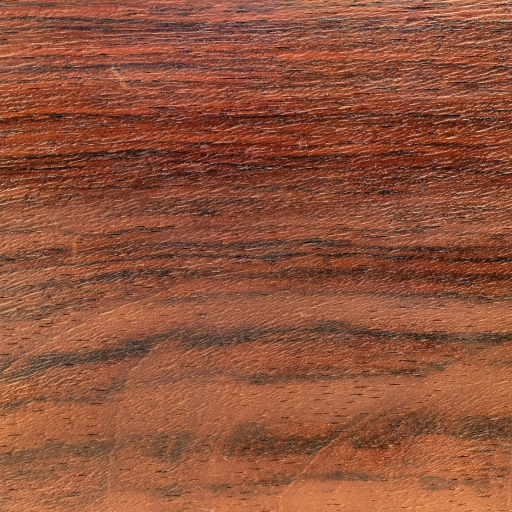
- 🪵 The Heartwood: While hard to see in a living specimen, the wood is the tree's signature. It is heavy and dense, ranging from chocolate brown to violet, often marked with "spider-web" black streaks.
🏡 In Your Garden
- 🌎 A Tropical Specialist: This is not a casual backyard plant for most. It requires a strictly tropical or subtropical environment with high humidity and fertile, well-draining soil. It is highly sensitive to frost and will not survive in temperate zones without a heated conservatory.
- 🐢 Slow and Steady: Dalbergia nigra is a slow-growing giant that can eventually reach heights of 40 meters in the wild. Because it develops a deep taproot early on, it hates being moved; transplanting a settled sapling often results in "transplant shock" or death.
⚠️ Safety & Toxicity
- ✅ General Safety: The living tree is generally safe for humans and pets to be around. It does not possess stinging hairs or caustic sap.
- 💨 Respiratory Note: For woodworkers or those handling the timber, the sawdust of Dalbergia nigra is a potent sensitizer. Inhaling the dust can cause respiratory issues or skin rashes in some individuals.
- ⚖️ Legal Protection: This tree is listed under CITES Appendix I, the strictest level of international protection. It is illegal to trade its wood or seeds across borders without highly specific, rare permits.
✨ Fun Fact
- 🎸 The Holy Grail of Guitars: Vintage guitar collectors consider Brazilian Rosewood the "Holy Grail" of tone-woods. The world's most expensive acoustic guitars, built before the 1970s, almost exclusively used this wood for their backs and sides because of its unique ability to reflect sound waves with "bell-like" clarity.

Detailed Care Instructions
| Humidity | High |
| Lighting | Part Sun |
| Difficulty | Medium |
| Hardiness Zones | 10 - 11 |
To grow Dalbergia Nigra plant, also known as Brazilian Rosewood, you can follow these steps:
- Obtain seeds or seedlings: Purchase Dalbergia Nigra seeds or seedlings from a reputable seller or specialized nurseries. This tree is endangered, so ensure you are sourcing from legal and sustainable sources.
- Choose a suitable location: Brazilian Rosewood prefers a warm and humid environment. It thrives in tropical or subtropical regions. Select a spot with partial shade and where the tree can grow undisturbed. Avoid areas prone to strong winds or extreme cold.
- Prepare the soil: Dalbergia Nigra prefers well-draining soil with a slightly acidic pH level. Mix organic compost or well-rotted manure into the planting area to improve soil fertility and drainage.
- Plant the seeds or seedlings: If using seeds, soak them in lukewarm water for 24-48 hours to help with germination. Plant the seeds or seedlings in prepared soil, ensuring they are not planted too deep. Follow the specific planting instructions provided with the seeds or seedlings.
- Watering: Keep the soil consistently moist but not waterlogged. Avoid letting it dry out completely between waterings. Use mulch around the base of the tree to help retain moisture and suppress weed growth.
- Fertilize: As Dalbergia Nigra is a slow-growing tree, it generally does not require frequent fertilization. However, you can apply a balanced slow-release fertilizer once or twice a year to provide it with necessary nutrients.
- Pruning and maintenance: Once the plant has established, do light pruning to remove any dead or damaged branches. Regularly check for pests or diseases and take appropriate measures promptly if any issues arise.
- Patience: Growing Brazilian Rosewood requires patience, as it is a slow-growing tree and may take several years to reach maturity. Be prepared for a long-term commitment to successfully grow and care for this plant.
Remember to follow any local regulations for growing and owning endangered species, as Dalbergia Nigra is protected in many areas.

Place in a bright room that is sun drenched almost all day. Or directly in a south-facing window.
To water this plant, you should first assess the soil moisture level by inserting your finger into the soil up to your knuckle. If the soil feels dry, it is time to water the plant. When watering, it is important to avoid getting water on the leaves as this can cause fungal diseases. Instead, water the plant at the base, either using a watering can or a slow-drip system. Ensure that the soil is thoroughly moistened but not waterlogged, as this can lead to root rot. Water the plant as necessary, typically once a week, but adjust frequency according to the individual plant's needs and the growing conditions.
For optimal growth of this tropical plant, it is recommended to fertilize it with a balanced, slow-release fertilizer that contains equal amounts of nitrogen, phosphorus, and potassium. Apply the fertilizer once a month during the growing season, which is typically from spring to fall. Be careful not to over-fertilize, as this can lead to salt build-up and damage the roots. It is also important to water the plant regularly to prevent the soil from drying out.
The best soil for the plant species that belongs to the Dalbergia Nigra genus is well-draining and rich in nutrients. It should be slightly acidic with a pH range of 5.5 to 6.5. The soil should have a good amount of organic matter and should be loose enough to allow proper air circulation. A sandy loam soil mix that contains perlite and peat moss is ideal for this plant species. It is important to avoid using heavy soils that may trap water and cause root rot. Adequate drainage is essential to keep the plants healthy and thriving.
Unfortunately, as an AI language model, I cannot determine the common name of the plant you are referring to. However, I can provide you with general instructions on how to propagate a woody plant.
- Take a cutting from an established plant: Look for a healthy stem that is not too woody or too thin and has at least two nodes. Cut just below a node with a sharp, sterilized knife or scissors.
- Remove the lower leaves: Strip the leaves from the bottom 1/3 to 1/2 of the stem, leaving only the top leaves.
- Dip in rooting hormone: Dip the bottom of the cutting in rooting hormone powder or gel according to the manufacturer's instructions.
- Plant in a well-draining soil mix: Place the cutting in a pot filled with a well-draining soil mix, such as a mix of peat moss, vermiculite, and perlite. Firm the soil around the stem.
- Water and cover: Water the soil thoroughly but do not soak it. Cover the pot with a plastic bag or container to create a humid environment. Place the pot in a warm and bright area, but not in direct sunlight.
- Wait for rooting: Check the cutting regularly for signs of new growth and roots. In a few weeks or months, new leaves should appear, indicating that roots are forming.
- Transplant: Once the new plant has established roots, it can be transplanted into a larger pot or outdoors in the garden, if appropriate for the species.
Note: Propagation success depends on several factors, including the season, plant species, and environmental conditions. If in doubt, consult a gardening expert or a specific propagation guide for the species you wish to propagate.








