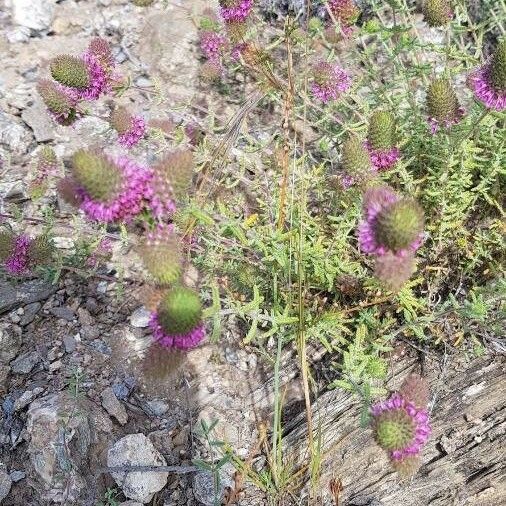
Plant Overview
Known as the Compact Prairie Clover or sometimes affectionately called the "Pink Thimble," this native North American beauty is a resilient survivor of the Great Plains. It tells a story of the ancient tallgrass prairies, standing firm against drought and wind with a delicate grace that belies its incredibly tough nature.
🔍 How to Identify
- 🌸 The Flower Spike: Look for dense, cylindrical "thimbles" at the ends of the stems. These spikes are packed with tiny, vibrant pink to lavender florets that bloom in a ring, moving from the bottom to the top.
- 🌿 Feathery Foliage: The leaves are pinnately compound, meaning they look like tiny green feathers or fern fronds. This gives the plant a soft, airy texture even when it isn't in bloom.
- 📏 Growth Habit: Staying true to its name, this species grows in a tidy, upright, and compact mound. It rarely exceeds 1.5 to 2 feet in height, making it much more "polite" than its leggier prairie cousins.
🏡 In Your Garden
- 🏜️ Drought Warrior: This plant possesses a deep, woody taproot that searches for water far underground. This makes it incredibly drought-tolerant, but it also means the plant hates being moved. Once you plant it, leave it be!
- 🧪 The Soil Chemist: As a member of the legume family, it works a bit of biological magic by "fixing" nitrogen. It actually improves the nutrient quality of the soil for its neighbors, making it a perfect companion for ornamental grasses.
- 🦋 A Pollinator Party: It is a high-priority stop for native bees and butterflies. Because it produces high-quality pollen and nectar, it often becomes the busiest plant in a summer garden.
⚠️ Safety & Toxicity
- ✅ Safe Status: Dalea compacta is generally considered non-toxic to humans and common household pets like cats and dogs.
- 🦌 The "Salad" Risk: While safe, it is highly "palatable" to wildlife. Deer and rabbits find the protein-rich leaves delicious, so young plants may need a bit of protection until they are established.
✨ Fun Fact
- 🧬 Air into Food: The roots of the Compact Prairie Clover host special bacteria that allow the plant to pull nitrogen gas out of the air and turn it into solid fertilizer. It is essentially a self-feeding solar machine!

Detailed Care Instructions
To grow Dalea Compacta plant, also known as compact prairie clover, follow these steps:
- Choose the right location: Dalea Compacta prefers full sun and well-draining soil. Make sure the chosen spot receives at least 6-8 hours of sunlight per day.
- Prepare the soil: Amend the soil with organic matter to improve its drainage and fertility. Remove any weeds or grass from the planting area.
- Planting: The best time to plant Dalea Compacta is in spring after the last frost. Dig a hole slightly larger than the plant's root ball and place the plant in the hole, making sure the soil level is even with or slightly higher than the surrounding soil. Gently tamp down the soil around the plant and water thoroughly.
- Watering: Water the plant deeply and regularly for the first few weeks to help establish its root system. After that, water the plant only during extended periods of drought or when the top inch of soil is dry.
- Mulching: Apply a layer of organic mulch around the plant to retain moisture, suppress weeds, and moderate soil temperature. Keep the mulch a few inches away from the plant's stem to prevent waterlogging.
- Pruning: Dalea Compacta plant may benefit from occasional pruning to maintain its compact form and encourage bushier growth. Prune lightly in late winter or early spring before new growth begins.
- Fertilizing: Generally, Dalea Compacta doesn't require much fertilizer. However, if the plant appears weak or pale, you can apply a balanced, slow-release fertilizer following the package instructions.
- Disease and pest control: Dalea Compacta is generally resistant to most diseases and pests. However, if you notice any pest infestation or disease symptoms, treat it with an appropriate organic or chemical control method.
- Propagation: You can propagate Dalea Compacta through seeds or by taking stem cuttings in late summer or early fall. Sow the seeds directly in the garden or start them indoors a few weeks before the last frost.
By following these steps, you can successfully grow and care for Dalea Compacta plant. Remember to adjust watering frequency based on your specific climate and soil conditions.

Place in a bright room that is sun drenched almost all day. Or directly in a south-facing window.

To ensure proper growth and health of this plant, it is important to provide it with adequate watering. The plant prefers consistent moisture throughout the growing season, but it is important to avoid overwatering, which can lead to root rot.
To water the plant, use a watering can or hose with a gentle shower head to avoid disturbing the soil and roots. Water the plant deeply but infrequently, allowing the top inch or so of soil to dry out before watering again.
It is also important to water the plant in the morning or early evening, rather than during the hottest part of the day, to prevent evaporation and ensure the water has time to penetrate the soil.
Lastly, observe the plant regularly to assess its watering needs. If the leaves start to turn yellow or brown, it may be a sign of either under or overwatering. Adjust the watering schedule accordingly to provide the plant with the appropriate moisture it needs to thrive.
To fertilize this plant, use a balanced fertilizer with equal parts nitrogen, phosphorus, and potassium. Apply the fertilizer according to the manufacturer's instructions during the growing season, typically from spring to late summer. It is important not to over-fertilize this plant, as that can lead to excessive growth and fewer blooms. Additionally, be sure to water the plant before and after fertilizing to help prevent damage to the roots.
For optimal growth and health, it is recommended to use a well-draining soil mixture with good fertility for this particular plant variety. The soil should be porous and have a pH balance in the neutral to slightly alkaline range. It is preferable to avoid heavy clay soils or those that retain moisture for extended periods, as this can lead to root rot and other health issues. A mixture of sand, perlite, and peat moss can be used to achieve the ideal soil texture and drainage. Additionally, regular fertilization with a balanced organic or inorganic fertilizer can promote healthy growth and flowering.
To propagate this plant, select healthy stem cuttings that are around 6 inches long and have at least two leaves. Remove any leaves that are closer to the bottom of the cutting, leaving only the topmost two leaves. Dip the cut end of the stem into rooting hormone powder and plant the cutting in a container filled with well-draining soil mix. Water the cutting and place it in a warm, bright location with filtered sunlight to encourage rooting. Keep the soil moist but not waterlogged, and mist the cutting regularly to maintain humidity. After a few weeks, check for signs of new growth, which indicate the cutting has rooted. Once the roots have developed fully, transplant the new plant into a larger pot or into a garden bed.








