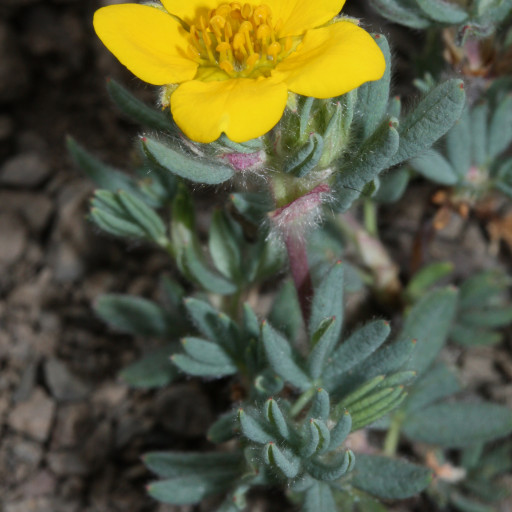
Plant Overview
Commonly known as the Shrubby Cinquefoil or simply Potentilla, this resilient little shrub is a favorite for those who want a burst of "buttercup" yellow from early summer until the first frost. Native across the cool temperate regions of the Northern Hemisphere, it has earned a reputation as one of the toughest landscaping plants available. Its name comes from the Latin quintefolia, referring to its characteristic five-fingered leaves that resemble a small hand.
🔍 How to Identify
- 🌼 The Flowers: Look for small, five-petaled blossoms that resemble miniature wild roses. While the wild species is golden yellow, garden cultivars can be found in shades of white, orange, or soft pink.
- 🌿 The Foliage: The leaves are small, compound, and usually divided into 3 to 7 leaflets. They often have a slightly silvery-green tint and a soft, fine texture due to tiny hairs.
- 🪵 Growth Habit: This is a dense, multi-stemmed deciduous shrub. It typically grows in a neat, mounded shape, rarely exceeding 3 feet in height and width.
🏡 In Your Garden
- ☀️ Sun Lover: To get the most impressive flowering display, place it in full sun. While it can handle light shade, the branches might become "leggy" and produce fewer blooms.
- 🪨 Poor Soil Specialist: This is the perfect "problem solver" plant. It thrives in rocky, sandy, or poor soils where more delicate plants might fail, provided the ground isn't constantly waterlogged.
- ✂️ Pruning Nuance: It blooms on "new wood" (the current season's growth). To keep it looking fresh, give it a light haircut in late winter or early spring to encourage a flush of new, flower-heavy branches.
⚠️ Safety & Toxicity
- ✅ Non-Toxic: Dasiphora fruticosa is generally considered safe and non-toxic for dogs, cats, and horses.
- 👐 Soft Touch: Unlike many other woody shrubs, it lacks thorns or irritating sap, making it an excellent choice for planting near walkways or in gardens frequented by children and pets.
✨ Fun Fact
🏔️ This plant is a true "tough cookie" of the botanical world; it is known to survive temperatures as low as -50°F (-45°C) and can be found growing in the wild at extreme altitudes in the Himalayas!

Detailed Care Instructions
To grow Dasiphora fruticosa, also known as shrubby cinquefoil or bush cinquefoil, follow these steps:
- Choose the right location: Dasiphora fruticosa is a hardy plant that can tolerate a wide range of conditions. It prefers full sun to partial shade and well-draining soil.
- Prepare the soil: Before planting, prepare the soil by removing any weeds or grasses and loosening it with a garden fork or tiller. If the soil is heavy or clay-like, amend it with organic matter such as compost or well-rotted manure to improve drainage.
- Planting: Dig a hole slightly larger than the plant's root ball and place the plant in the hole. Make sure the top of the root ball is level with or slightly above the soil surface. Backfill the hole with soil, gently firming it around the plant.
- Watering: After planting, water the plant thoroughly to settle the soil and ensure good root-to-soil contact. Keep the soil evenly moist, but not waterlogged, during the plant's establishment period. Once established, it is drought tolerant and only needs watering during prolonged dry spells.
- Mulching: Mulch around the base of the plant with a layer of organic mulch, such as wood chips or bark, to help retain moisture, suppress weed growth, and regulate soil temperature.
- Pruning: Dasiphora fruticosa is a low-maintenance plant but can benefit from regular pruning to maintain its shape and promote bushiness. Prune in early spring before new growth begins, removing any dead, damaged, or crossing branches. You can also lightly trim the plant after blooming to encourage more flowers.
- Fertilizing: Generally, fertilization is not necessary for Dasiphora fruticosa. However, if you feel that the plant needs a boost, you can apply a balanced, slow-release fertilizer in early spring.
- Pest and disease control: Dasiphora fruticosa is generally resistant to pests and diseases. However, inspect the plant regularly for signs of aphids, leaf spot, or powdery mildew. If necessary, treat with appropriate insecticides or fungicides following the instructions on the product label.
With proper care and suitable conditions, Dasiphora fruticosa can thrive and provide beautiful flowers throughout the growing season.

Place in a window with dappled sun or a spot in the middle of a room. Or directly in a window facing west or east.

The plant should be watered regularly, ensuring that the soil remains moist but not waterlogged. It is important to allow the soil to dry partially between watering to prevent waterlogging and root rot. Watering should be adjusted based on the weather condition and season. Young plants may require more frequent watering until they establish roots. Avoid wetting the foliage and water directly onto the soil. If possible, use room temperature water to reduce stress on the plant.
To fertilize this plant, choose a fertilizer with balanced nitrogen, phosphorus, and potassium levels. Apply the fertilizer to the base of the plant, making sure to avoid getting any on the foliage. Water the plant thoroughly after fertilizing to ensure the nutrients reach the roots. Fertilize 2-3 times during the growing season, avoiding fertilization during periods of drought or extreme heat.
The ideal soil for the Dasiphora Fruticosa plant should be well-draining and slightly acidic with a pH ranging from 5.5 to 6.5. It should consist of a mix of organic matter such as compost, peat moss, and decomposed leaves. The soil should also have a good texture with an equal balance of sand, silt, and clay particles. It is important to ensure that the soil is not too compact or heavy as it may cause waterlogging and affect the plant's growth. The soil should be enriched with nutrients such as nitrogen, phosphorus, and potassium to promote healthy foliage and flowers. Regular feeding with a balanced fertilizer is also recommended. Overall, the soil should provide adequate drainage, aeration, and nutrients for the Dasiphora Fruticosa plant to thrive.
To propagate this plant, you will need to take stem cuttings in the spring or early summer. Choose healthy, green stems that are about 5-6 inches long.
Use a sharp, sterile knife or pruning shears to cut the stem just below a node, which is where a leaf meets the stem. Remove any leaves or flowers from the lower half of the stem.
Dip the cut end of the stem into rooting hormone powder to encourage root growth. Insert the cutting into a small pot filled with well-draining potting soil. Water the soil until it's evenly moist.
Cover the pot with a plastic bag or plastic wrap to create a humid environment for the cutting. Place the pot in a warm, bright location, but avoid direct sunlight. Check the soil regularly to make sure it stays moist.
After a few weeks, gently tug on the stem to check for root growth. If the stem resists pulling, it has started to root. After a few more weeks, you can remove the plastic covering and start to gradually expose the plant to brighter light.
Once the plant has grown enough to handle, you can transplant it into a larger pot or into the ground. Make sure to keep the soil moist and to protect the plant from extreme heat or cold until it's established.
Common pests of the shrubby cinquefoil include Spider mites, larvae. Make a habit of checking your shrubby cinquefoil frequently for pests so that any infestations can be caught and managed early.








