Plant Overview
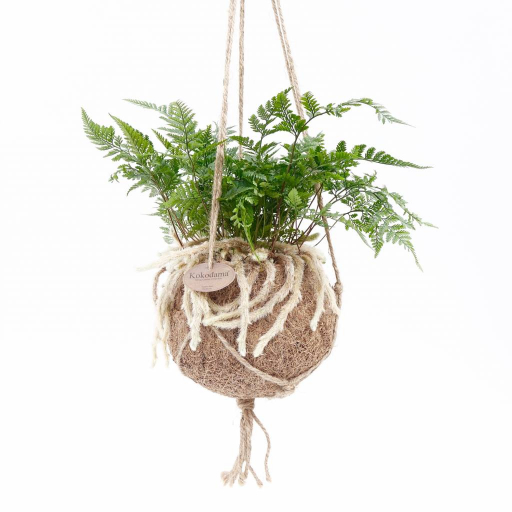
Commonly known as the White Rabbit’s Foot Fern, this enchanting native of East Asia looks as if a mythical forest creature is clambering out of its pot. It is beloved for its thick, silvery-white "furry" rhizomes that creep over the edges of containers, resembling the paws of a rabbit. Unlike many finicky ferns, this species is surprisingly resilient and adds a touch of whimsical, gothic elegance to any indoor plant collection.
🔍 How to Identify
- 🐾 The "Feet": The most iconic feature is the creeping rhizomes. They are covered in dense, soft, silver-white scales that look and feel like animal fur.
- 🌿 The Fronds: It produces dark green, leathery leaves with a distinct triangular shape. The foliage is finely divided and lace-like, giving it a delicate appearance despite its sturdy nature.
- 🏗️ Growth Habit: This is a low-growing, spreading plant. Instead of growing straight up, it prefers to crawl horizontally, eventually draping over the sides of its pot or hanging basket.
🏡 In Your Garden
- 🌬️ Surface Dwellers: The biggest mistake growers make is burying the fuzzy rhizomes in soil. These "feet" are designed to sit on top of the substrate; burying them will lead to rot. They act as anchors and water storage for the plant.
- 💧 Rhizome Misting: While the roots are in the soil, the fuzzy feet love to be misted directly. This mimics the humid, misty mountain forests where they naturally grow on trees and rocks.
- 🪴 Mounting Potential: Because it is an epiphyte (a plant that grows on other plants), you can actually grow this fern mounted on a piece of bark or wood with some sphagnum moss, rather than in a traditional pot.
⚠️ Safety & Toxicity
- ✅ Pet Safe: The White Rabbit’s Foot Fern is considered non-toxic to both cats and dogs, making it an excellent choice for pet-filled households.
- 👶 Child Friendly: It is generally safe for humans. However, the fuzzy texture can collect dust, so a quick rinse or dusting of the fronds is good practice to prevent any mild respiratory irritation for sensitive individuals.
✨ Fun Fact
In its natural habitat, the Davallia Tyermanii doesn't need soil to survive! It uses those famous "rabbit feet" to cling to the bark of trees and crevices in rocks, drawing moisture and nutrients from the air and decaying organic matter that gets trapped in its fur.

Detailed Care Instructions
To grow Davallia tyermanii (Rabbit's Foot Fern), follow these steps:
- Light and temperature: Place the plant in a bright, indirect sunlight location. It thrives in temperatures between 65-75°F (18-24°C), and should be kept away from drafts or extreme temperature fluctuations.
- Soil: Use a well-draining potting mix for ferns. It should be light and rich in organic matter. You can make your own mix by combining equal parts peat moss, perlite, and compost.
- Watering: Keep the soil consistently moist but not waterlogged. Water the plant when the top inch of soil feels dry. Avoid overwatering to prevent root rot. Mist the fronds with water occasionally to provide humidity, as the fern prefers high humidity levels.
- Fertilizer: During the growing season (spring and summer), apply a balanced liquid fertilizer diluted to half the suggested strength every month. Reduce fertilization in fall and winter.
- Repotting: Repot the plant every 2-3 years or when the roots become crowded. Choose a slightly larger pot with good drainage. Gently loosen the roots before placing the plant in the new pot, then fill the remaining space with fresh potting mix.
- Pruning: Remove any yellowing or damaged fronds by cutting them at the base. Regularly prune to maintain a bushy appearance and remove any dead or brown parts.
- Propagation: Davallia tyermanii can be propagated through division. Carefully remove the plant from its pot and separate the healthy rhizomes. Transplant the divisions into their own pots using fresh potting mix.
- Pests and diseases: Monitor your plant for pests such as aphids, mealybugs, or spider mites. If detected, treat with an appropriate insecticide or by washing the leaves gently with a soapy solution. Ensure good air circulation to prevent fungal diseases.
Remember to research specific care tips for Davallia tyermanii, as each plant may have slight variations. Providing the right conditions and care will help your Rabbit's Foot Fern thrive and grow.

Place in a window with dappled sun or a spot in the middle of a room. Or directly in a window facing west or east.

Davallia Tyermanii is a plant that requires regular watering to thrive. To water this plant, first, check the moisture level of the soil by inserting a finger into the soil. If the top 1-inch layer of soil is dry, it's time to water. When watering, slowly pour water at the base of the plant until it starts to drain out of the bottom. Avoid getting water on the leaves of the plant, as excess moisture can lead to fungal diseases. It's important not to overwater this plant, as it can lead to root rot. Water only when the soil has become slightly dry, but not completely dry. This plant prefers moist, but not waterlogged soil. During the winter months, reduce watering frequency as the plant goes into its dormant phase.
To fertilize this plant, you should use a balanced, water-soluble fertilizer with equal amounts of nitrogen, phosphorus, and potassium. Mix the fertilizer according to package instructions and apply it to the soil every two weeks during the growing season. Avoid over-fertilizing, as it can lead to burnt or damaged foliage. Additionally, ensure that the soil is moist before fertilizing to prevent root burn.
For optimal growth and health, the Davallia Tyermanii plant requires a well-draining soil mix that is rich in organic matter and nutrients. A suitable soil mix may consist of a blend of peat moss, perlite, and coarse sand or gravel. This will allow for adequate water drainage and root aeration while also providing essential nutrients for the plant to thrive. It is also important to avoid overwatering the plant as this can result in root rot and other issues. A soil moisture meter can be helpful in determining when it is time to water the plant. Additionally, adding a layer of mulch to the top of the soil can help regulate moisture levels and provide additional nutrients as the mulch decomposes over time.
Propagation of this plant can be done by utilizing its rhizomes. Firstly, carefully remove some rhizomes from the parent plant and then divide them into smaller parts. Make sure each rhizome has some roots attached to it. These smaller rhizomes can be individually planted in a moist potting mix with good drainage. Provide enough humidity by covering the pot with a plastic bag until new growth appears. It is encouraged to keep the soil constantly moist and not to let it dry out completely. Place the newly potted plants in bright, indirect sunlight and keep them warm. After a few weeks, new fronds should emerge from the rhizomes, indicating successful propagation.
Common pests of the davallia tyermanii include Mealybugs, spider mites, fungus gnats, aphids. Make a habit of checking your davallia tyermanii frequently for pests so that any infestations can be caught and managed early.







